Mitochondrial dysfunction sits at the edge of a lot of neurodegeneration research, even when it isn’t the headline. This full-day symposium from UCL Queen Square Institute of Neurology, marking twenty years of the NHS England Highly Specialised Service for Rare Mitochondrial Disorders, is worth a watch for anyone whose work touches on energy metabolism, neuronal vulnerability, or rare disease diagnostics.
Professor Mike Hanna opens the day, with the morning session chaired by Professor Robert Pitceathly covering the science. Robert introduces primary mitochondrial diseases, heteroplasmy, and the bottleneck effect. Dr Micol Falabella walks through experimental models and where each one earns its keep, from patient fibroblasts to zebrafish and mice. Professor Carlo Viscomi presents preclinical therapy work on stimulating mitophagy with urolithin A and on AAV-based gene therapy. Professor Michal Minczuk covers mitochondrial genome engineering using base editors and the new mouse models this is making possible. Professor Sara Wells closes the morning with a session on the use of animals in research.
The afternoon turns to diagnostics and counselling, chaired by Dr Chiara Pizzamiglio: Dr Áine Moylett on NHS genetic testing pathways, Dr Amanda Lam on biochemical diagnostics, and Dr Will Macken on prenatal testing and genetic counselling. Professor Bobby McFarland then delivers a feature talk on mitochondrial donation from conception to delivery. The final session covers the future of genetic diagnostics with Dr Renata Kabiljo, biomarkers and clinical trials with Dr Chiara Pizzamiglio, and a patient-centred approach to diagnostics from Mrs Katie Waller of the Lily Foundation.
Hosted by the London Mitochondrial Centre at UCL Queen Square Institute of Neurology, with sponsorship from UCB and support from the Lily Foundation.

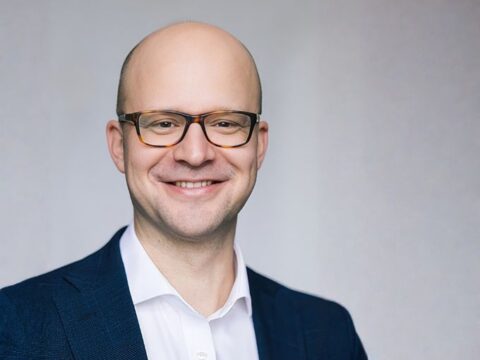


 Adam Smith