 Print This Post
One of the most difficult aspects of clinical research is getting people to actually sign up to it! The initiatives such as Join Dementia Research, Be part of research and in Scotland, Permission to Contact are all testimony to this. If recruitment were easy we would not need to have research registers to keep a steady flow of willing participants.
This is where managing expectations about what research is and how it may involve people, begins. If someone puts their name on a research interest register, there comes with that an expectation that there will be a research study or programme available to that person. The potential participant needs to be contacted at time of sign up, to explain that there may not be a clinical research programme study that is suitable for them at the time of sign up, but that signing up is a great start.
We have found that explaining other potential ways of being part of research are available and it may be that the prospective research participant may never be suitable for one of the clinical trials due to the long list of exclusion criteria: it may be because of the medication they are on; it may be a previous or current illness; they may be out with the age range; they may have the ‘wrong’ type of dementia; or be too early in their diagnosis path; or too late.
At this point alternative ways of being involved in research can be discussed: Anyone willing, including the patient themselves or their carer, can become a candidate for a patient and public expertise group – giving valuable insight into their perspective on being a person with a memory loss or being a carer for someone with memory loss or dementia.
If the person has a confirmed diagnosis of dementia they may wish to consider brain tissue donation, another route to be included in research albeit after death, but a very valuable contribution to research, nonetheless.
There are many non clinical trials or social research involving people with dementia and carers which they may be suitable for and can be as simple as filling in a questionnaire, being part of a focus group or joining a longitudinal study – not all research are clinical trials and each contribution is valuable.
If the person is included in a clinical trial again expectations must be managed. There are very detailed and usually lengthy consent forms to be digested prior to participation and the medical and nursing staff have a duty to ensure the potential participant understands what they are signing up to. This includes ensuring the person is sent the consent forms and any other study details before attendance at the research clinic to allow time for questions to be formulated. We ask that they highlight any areas they don’t understand and then the study doctor will go through the forms with that person to answer any queries. It is also explained to them at this point that they can leave the study at any time without any recourse to their day to day treatment via the NHS.
Explanations of involvement in a Clinical Trial of an Investigational Medicinal Product (CTIMP) does not mean that they will get the active treatment and that they may be in the placebo arm of the trial. No-one knows, neither medical staff, research staff nor participant, which treatment ie active or placebo, they will receive which is all part of a double-blinded clinical trial. The only way a study can be ‘unblinded’ is if the person experiences a medical emergency and requires urgent treatment in a general hospital. The trial will not cure anyone of dementia but that the person is willing to take part ensures that the body of knowledge is increased even if the trial has a negative outcome. They may also get a chance to be on ‘open label’ at the end of the trial period, whereby everyone on the trial – active or placebo, gets access to the trial medicine for a further period of time.
Negative trials also need to be explained – that sometimes a trial can have no effect at all and may be halted mid trial. This doesn’t mean that the participants time has been wasted, as negative trials are useful to find out what doesn’t work and again add to the body of knowledge around potential treatments in Dementia.
The amount of time the person will be required to attend the research clinic must be discussed at the beginning of the trial. The time required for both the person with dementia and their carer can be onerous particularly at the beginning of a trial and this must be made very clear. They may be required to come in weekly or even more often at the beginning and this is usually to ensure their safety, while being part of the trial.
There may be financial assistance from the trial sponsor to assist travel. As they may not have their own transport or transport may be an issue. Means to assist such as taxis, parking spaces booked, reimbursement of travel can usually be arranged.
If they have holidays booked then this is not usually an issue but the trial has to be planned around any holidays they may wish to take. Treatment doesn’t stop during a holiday. Also travel insurance can sometimes be an issue although there are certain travel insurance companies who will insure people in clinical trials. This must be made explicit to the participants prior to starting the trial re holidays and insurance.
The trial participant may be asked to arrive fasted, meaning nothing to eat or drink after an appointed time the previous evening, prior to arrival at the research clinic the following day. The reasons for this and that they will be provided food as soon as the fasting bloods are taken, are to be explained in detail and we have found that a reminder the day before about fasting helps to ensure this is followed.
The whole experience and what to expect must be explained to the potential participant and their carer prior to signing the consent forms but also reiterated during the study as it is a lot of information to ask anyone to retain at the beginning of the study, especially for someone with memory loss. It helps if it is the same staff on hand during the visit as this goes a long way to making the experience more pleasant – a well known face and a smile can be very reassuring.
Many factors contribute to giving the potential participants and their carers in a research study realistic expectations. All are important and together enhance their overall experience – leading to better retention for the duration of the study.

Dr Emma Law
Author
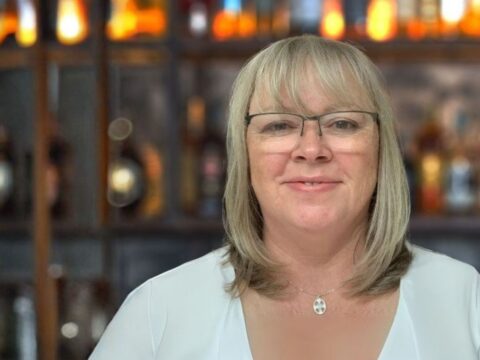
Dr Emma Law is Strategic Manager for the The Neuroprogressive and Dementia Network in Scotland. Emma has 13 years experience as a Clinical Trails Network Manager and over 35 years experience as a Nurse, many of which were spent in the delivery of Clinical Research Trials. Emma completed her PhD and is passionate about giving people living with dementia and their carers access to participate in research.


 Dr Chloe Fawns-Ritchie
 Dementia Researcher
 Dr Yvonne Couch
 Dr Clíona Farrell

 Beccy Owen
 Rahul Sidhu