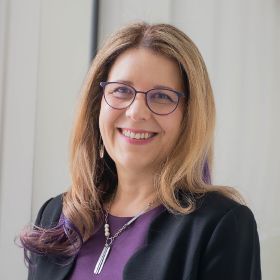
Professor Liisa Galea
Name:
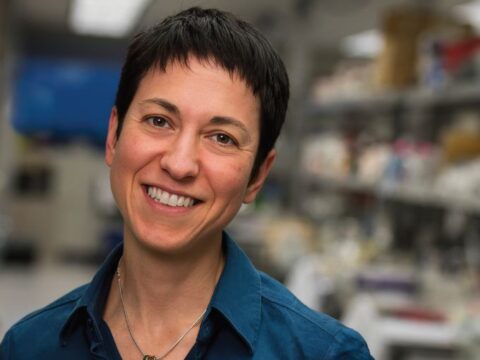
Professor Liisa Galea
Job Title:
Professor and Treliving Family Chair in Women’s Mental Health
Place of work / study:
Centre for Addiction and Mental Health, University of Toronto
Area of Research:
Although sex differences exist in many brain diseases, research targeting sex as a factor in brain health has been scarce. Dr. Galea’s research is vital in filling this knowledge gap, specifically in understanding how sex and hormones influence neuroplasticity in females as too often women’s health is ignored in research.
How is your work funded:
Federal Funds and Philanthropic support: CIHR, NSERC, Wellcome Leap, Brain Canada, Cure for Alzheimer’s Fund
Tell us a little about yourself:
I am the Treliving Family Chair in Women’s Mental Health at the Centre for Addiction and Mental Health in Toronto and a Professor in the Department of Psychiatry at the University of Toronto. I lead the Women’s Health Research Cluster, which has more than 900 members worldwide. My expertise is in sex and sex hormone influences on the brain in both health and disease states, with a particular focus on stress-related psychiatric disorders and dementia.
Although sex differences exist in many brain diseases, research targeting sex as a factor in brain health has been limited. My work aims to fill this knowledge gap by investigating how hormones influence neuroplasticity and risk for diseases in females, as women’s health is too often overlooked in research. By understanding how neuroplasticity is regulated, we may be able to develop new therapeutic treatments for diseases involving neuronal loss, which are more prevalent in women, such as Alzheimer’s disease and depression.
More than 20 years ago, I developed the first rodent models for perinatal depression, and my research continues to uncover how pregnancy and motherhood affect the risk for psychiatric disorders in the short term and shape the trajectory of cognitive ageing in the long term. To date, I have published over 210 scientific papers, edited a book, and I am a Fellow of both the Canadian Academy of Health Sciences and the International Behavioral Neuroscience Society.
I have been honoured with numerous awards, including the Mortyn Jones Medal and the Vancouver YMCA Women of Distinction Award (2015). I have served on peer review committees for Canadian, American and British federal funding agencies (NSERC, CIHR, NIH, Wellcome Trust) and on advisory boards at provincial, national, and international levels, including the Steroids and Nervous System meeting in Italy, the Ludeman Centre for Women’s Health, and the Sex and Gender Differences in Alzheimer’s Disease initiative with the Alzheimer’s Association in the US.
I am the Principal Editor of Frontiers in Neuroendocrinology and serve on the editorial boards of several leading journals in the field, including Hormones and Behavior, Endocrinology, Psychoneuroendocrinology, Neurobiology of Stress, Journal of Alzheimer’s Disease, Neuroendocrinology, Neuroscience, and eNeuro. I am ranked in the top 1% of cited researchers worldwide. Above all, I am a tireless advocate for women’s health research and for incorporating sex and gender-based analyses to improve health for all people.
Tell us a fun fact about yourself:
I am very proud of my Estonian and Maltese heritage and I love baking Estonian Kringle. My greatest accomplishments are my two wonderful ‘adult’ children, who have inherited my love of science and cookie dough. I live in Toronto and enjoy trail hiking with my very badly behaved dog. Most weekends, you’ll find me exploring new hiking trails in and around the city.
Why did you choose to work in dementia:
My mother.
What single piece of of advice would you give to an early career researcher?
Believe in yourself, develop thick skin and persist
What book are you reading right now? Would you recommend it?
Slow Horses: The bestselling thrillers that inspired the hit Apple TV+ show
Favourite film of all time?
Elf, Megamind, It’s a Wonderful Life, Guardians of the Galaxy
Favourite ways to unplug and unwind?
Hiking, nature walks
What’s the best decision you ever made?
Having my children
What’s the best vacation spot?
Italy
Do you collect anything?
No – just regrets