 Print This Post
You may be vaguely aware of what delirium is and how it’s different to dementia, but you’re more likely to have encountered the word ‘delirious’ as a throw away comment when used to describe a state of confusion. But delirium is so much more than confusion and we need to look deeper into the impact of delirium on dementia and vice versa. In this blog, I explain the difference between delirium and dementia, and why we need more research into the neglected area of delirium superimposed on dementia.
Delirium is defined as a change in mental state that happens over a short period of time, typically only a few days. Symptoms vary depending on the type of delirium being experienced. Hyperactive delirium involves feelings of agitation or restlessness, along with hallucinations and delusions. Hypoactive delirium has symptoms that are almost the direct opposite from this, with sleepiness, less social interaction, and reduced intake of food and drink. Some people may experience a mixture of symptoms, varying from hour to hour. Although the onset of symptoms is acute, the length of time that the symptoms may last for ranges from hours to months. Many of these symptoms are similar to those experienced in certain types of dementia, particularly dementia with Lewy bodies. This means that delirium is regularly misdiagnosed, or not diagnosed at all. For someone who develops delirium, it is the people who know them the best (family members, friends, carers) who are best placed to identify acute changes in mental state.
So what causes delirium and how common is it? As with dementia, there is no known exact cause of delirium, but we do know that there are certain risk factors which can increase the likelihood of someone experiencing it. These include age, certain medical conditions, sleep deprivation, medications (particularly anaesthetics), and low blood oxygen, salt, or sugar. Delirium can also be a response to experiencing pain or infection. With delirium, all these risk factors have an acute impact on the brain’s ability to function properly. Although age is a significant risk factor for delirium, people at any age can experience it depending on the circumstances. 10-20% of people over the age of 60 will experience delirium following surgery, which increases the risk of death compared to patients without delirium. 8-17% of older patients presenting in A&E, and 40% of those in care homes will experience delirium. Despite these high numbers, awareness of delirium amongst health and care staff is low meaning it’s often misdiagnosed. Also, how it’s linked with dementia is poorly understood, meaning symptoms can often be dismissed, particularly if someone is already living with dementia.
There are key differences between dementia and delirium which establish them from one another. Delirium has a relatively quick onset and symptoms can vary, whereas dementia has a slow onset with symptoms that are consistent but progressively decline. Importantly, delirium is treatable once the health problem causing it has been resolved, allowing patients to recover. This isn’t currently possible with dementia.
Dementia is by far the biggest risk factor for experiencing delirium. But delirium also increases the risk of developing dementia.
For someone who doesn’t meet the diagnostic criteria for dementia but is already experiencing problems with thinking and memory, delirium can worsen symptoms and ultimately lead to a dementia diagnosis at an earlier stage than would have otherwise been the case. So dementia increases the risk of experiencing delirium, and delirium exacerbates existing dementia symptoms, potentially speeding up the pathophysiology in people who may be vulnerable to developing dementia. Delirium and dementia seem to almost have a bidirectional relationship.
When dementia and delirium co-occur, this means someone already living with dementia has gone on to experience delirium and is known as ‘delirium superimposed on dementia’ (DSD). As previously mentioned, these two conditions exist independently of one another but do have overlapping symptoms, so it can be extremely difficult to recognise when someone living with dementia has also developed delirium and is therefore experiencing DSD. However, identifying when someone is experiencing DSD is crucial, as the delirium can worsen dementia symptoms despite being treatable. The key is to identify the potential risk of DSD before it occurs. For example, a hospital stay for someone living with dementia presents an increased risk of developing delirium, due to exposure to risk factors including potential changes in eating, drinking, sleeping, and the effects of any medical procedure and the associated medications that may involve. It’s essential to try and mitigate those risks for people living with dementia, because we know that if they do require a hospital stay, 20-50% will develop delirium, which is almost four times higher than people not living with dementia. DSD doesn’t just lead to a prolonged hospital stay and increased healthcare costs, it can lead to an accelerated progression in dementia symptoms even when the initial delirium has been resolved, which is avoidable if delirium can be quickly diagnosed, and the cause treated.
As our population continues to age and the prevalence of dementia increases, we’re acutely aware of the urgent need to find a cure. As the two appear closely connected, understanding the impact of delirium on dementia and vice versa is an important area of research which unfortunately has historically been neglected. Yet if we can better understand what’s happening in the brain when someone experiences delirium, we can gain insight into the brain changes that cause the overlapping cognitive symptoms that also occur with dementia. Perhaps the answers to some of our scientific questions lay in investigating preventable conditions that impact on cognition and mental state, such as delirium.
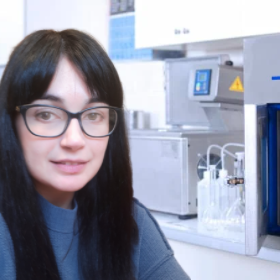
Dr Kamar Ameen-Ali
Author
Dr Kamar Ameen-Ali is a Lecturer in Biomedical Science at Teesside University & Affiliate Researcher at Glasgow University. In addition to teaching, Kamar is exploring how neuroinflammation following traumatic brain injury contributes to the progression of neurodegenerative diseases that lead to dementia. Having first pursued a career as an NHS Psychologist, Kamar went back to University in Durham to look at rodent behavioural tasks to completed her PhD, and then worked as a regional Programme Manager for NC3Rs.

 Dementia Researcher
 Beccy Owen
 Bernie McInally
 Dr Chloe Fawns-Ritchie
 Dr Yvonne Couch
 Dr Clíona Farrell

 Rahul Sidhu
 Dr Emma Law