One of the hardest parts of delivering a dementia diagnosis is knowing that it comes with the inevitable truth of ‘it will get worse’.
I have worked across the dementia care pathway, from diagnostics to post-diagnostic support, to later-stage dementia care. Through this, I have worked with people with dementia, of various types, at various stages. This experience has reinforced how a person’s experience of dementia will be unique to them, shaped by their strengths, their support network, their routine, their personality, and their situation. I’ve seen it, and so have my colleagues, and it’s reported by those living with dementia, by their family, friends, and wider network. And this narrative is not novel—seeing the person before the diagnosis is a core value of lived experience groups. But even for the most resilient person, with the most incredible support network and a good level of health otherwise, to be sat down, given a diagnosis, and told, ‘it will get worse’… is hard. But that is the reality of dementia. And right now, there is nothing we can do to stop it, and very little we can do to slow it down.
When you type “what can be done for Alzheimer’s” into Google, the top result is from the NHS, and, as of the 3rd of April 2025, it identifies: medications “to help temporarily improve some symptoms”; “Medicines to treat challenging behaviour” (I am curious about what our persons with lived experience think about that heading); and, fundamentally underutilised and limitedly available, cognitive stimulation therapy, cognitive rehabilitation therapy, and reminiscence and life story work. Research isn’t mentioned here. And whilst I understand that research isn’t treatment, I do wonder if the absence of research from this narrative potentially contributes to missed opportunities for those looking to understand their options? Because, we need to remember, from a patient’s perspective, it’s not unreasonable to assume that there isn’t a role for research that includes ‘you’ unless it’s consistently and explicitly presented as an option and made accessible should ‘you’ seek it out.
Additionally, it’s important to note that I recognise supporting someone with dementia is not just the responsibility of the NHS; it is a wider community responsibility, with systems in place to help people live well with dementia and maintain independence for as long as possible. But these services are under strain. There are delays for social care, for housing, for financial support. The care industry continues to struggle with staffing demands, and accessing third-sector services is often limited by location, leaving those in more rural areas with even fewer choices. And whilst policy is in place, and work is being done to integrate research into these systems (see ENRICH Scotland), I can understand if it isn’t at the forefront of a service provider’s mind – they may struggle to prioritise research for their service users when they are already overwhelmed with immediate challenges.
So, whilst I fully recognise the ongoing efforts of all involved in providing support for people with dementia, we know that there are gaps. And I lay this as the foundation for my thoughts because, following a diagnosis of dementia, knowing that it is progressive and cannot be cured, it can be hard to stay positive. And this is particularly problematic with dementia because the lower your mood, the worse your symptoms.
Professionally, and personally, I have found that when hope is low, people are often willing to try anything. Because of this, I can empathise with anyone who has had difficulty accessing support post-diagnosis, who has then been drawn in by companies selling products with claims that a miracle fruit or multivitamins can reverse their dementia.
When asked, what do I think people with dementia and their families want to know about research? My answer is “everything”. Absolutely everything. Especially when we are working with people whom we know are going to lose their capacity to consent.
I believe we have a duty to ensure that every person who receives a diagnosis of dementia is fully informed on research, and what role it can play in what they can do about dementia, ideally while they have the ability to comprehend it and make a decision for themselves. So that they have access to well-informed options and hopefully are less likely to turn to potentially harmful alternatives. For me, this includes continuing to clarify what research is on offer, alongside treatment and support, throughout every patient’s dementia journey. Because for many, research can be a light at the end of the tunnel. It’s a doorway to additional information, to additional care. It’s also a potential for, if not a cure for them, then perhaps a cure in time for their children or grandchildren. It’s a purpose. It’s taking something unfortunate and deciding that you are going to use it to try and make a difference, to help others. And it is important for us in healthcare to remember just how much we humans gain from altruism.
And so, I have a few questions of my own:
- What would the dementia journey look like if the narrative around what can be done included research as standard, for everyone, from the start?
- What can we do to ensure that all involved in the dementia pathway are keeping research on the agenda?
- How can we ensure that we, and our colleagues, are confident in having conversations around research?
- What are we doing to ensure that we stay up to date on the research opportunities available for our patients?
- What are we doing to advocate for research opportunities, for our patients?
In short, I think we all have a duty to ensure that every single person with dementia is given the opportunity for informed choice, when it comes to research. And hopefully, if you’ve had a chance to read this, it gets the ball rolling, for you.
With thanks to Dr.B. for her valuable thoughts and guidance.
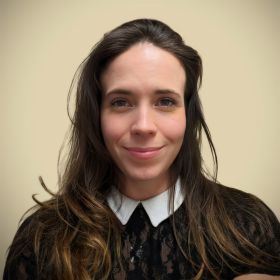
Marian Montanha
Author
Marian Montanha is a Clinical Studies Office in the NHS – Neuroprogressive and Dementia Network in Scotland. With a background in Psychology and a keen interest in Neuropsychology, Marian plays a vital role in clinical research, coordinating and managing clinical trials, ensuring smooth operations, and maintaining accurate records, while also promoting research and collaborating with clinical teams. Passionate about patient care, she is driven to help people maintain dignity, independence, and quality of life. Marian’s top tip for ECRs? “You don’t know what you don’t know”.
 Alzheimer's Association
 Bernie McInally