 Print This Post
There is still a general sense of foreboding and hopelessness felt by doctors when it comes to treating people with dementia. Doctors dread making the diagnosis because they don’t know what to do or believe what they do won’t make any difference. Disease-modifying treatments offer new hope for the future but right now are not relevant or available for most people living with dementia. What should doctors do in the meantime to overcome the hopelessness that pervades their minds and, by a strange virus-like effect, transmits into the shocked consciousness of those newly diagnosed and their families?
Contrary to the prevailing tragedy narrative, there are many grounds for hope. Hope is about agency and pathways and one imaginative approach that offers a way forward for doctors treating people with dementia is the concept of brain health. Brain health emphasises reducing risks and protecting the brain and can be equally applied to people with dementia. At the very least, by taking a brain health approach, the physician can escape the prison of therapeutic hopelessness by reframing their professional goal from the frustrated wish to cure a disease to one that helps the person maintain their function and quality of life.
The brains of people with dementia are vulnerable. But their brains can be protected and the risks to their brains can be reduced through active medical management and care. This is the principle of taking a brain health approach to dementia.
Over 50% of people with dementia are receiving inappropriate medications leading to falls, hospitalisation, unscheduled care, and accelerating cognitive decline (Murphy et al. 2020).
Delirium, a modifiable risk factor, can be particularly devastating for people with dementia. The community prevalence of delirium in dementia is between 22-89%, and when superimposed on dementia, it results in a doubling to tripling of the rate of cognitive decline (Fong et al. 2009; Weiner 2012). The good news is that by addressing polypharmacy through deprescribing medications, targeting medical co-morbidities and frailty, and using strategies to treat and prevent delirium, we can potentially slow dementia trajectories, adding quality of life to years. We know that better continuity of care in general practice reduces adverse events and episodes of delirium, primarily due to safer prescribing (Delgado et al. 2022). Rethinking dementia from the perspective of brain health empowers doctors and people with dementia to focus on what they can do to reduce risk and protect the brain.
Proactive medical care of people with dementia that promotes their brain health is achievable. And it is entirely possible that preventing delirium, deprescribing and encouraging a non-smoking, exercising, socially connected and healthy-eating cohort of baby boomers with dementia to focus on brain health could make dementia, similar to what has happened for many cancers – a chronic but more manageable condition.
Brain health is not just for people without brain disease. Brain health is for everyone, including people living with dementia. There are things we can do to reduce risks and protect the brains of people with dementia but this requires more, not less, medical care and attention. By reframing dementia from the perspective of brain health, there are opportunities to modify the disease course and maintain quality of life. For all these reasons, doctors should think more about how to incorporate brain health into their approaches to caring for people living with dementia.
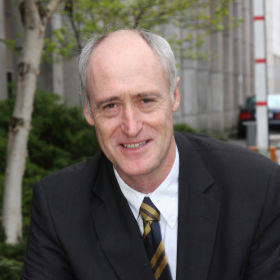
Professor Brian Lawlor
Author
Brian Lawlor is a Professor of Old Age Psychiatry at Trinity College Dublin, and a Founding Director of GBHI at Trinity. He is a geriatric psychiatrist with an interest in dementia, late-life depression, loneliness and brain health. Brian has worked for over 30 years on developing services and delivering care to people with dementia. His research interests have ranged from early detection and prevention to evaluating new treatments for dementia. His current work is taking a life course preventive and brain health approach, as he is convinced that we must move more ‘upstream’, if we are to effectively tackle the ‘wicked’ problem of dementia.
 Rahul Sidhu
 Dr Sam Moxon
 Ajantha Abey
 Dr Peter Connelly
 Rebecca Williams