Seven ways scientists handle technology challenges in resource-poor settings
 Dementia Researcher
Researchers share their tips for working in environments with unreliable infrastructure.

Researchers share their tips for working in environments with unreliable infrastructure.
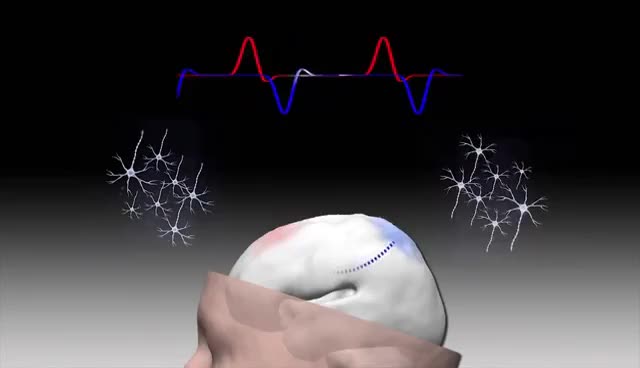
Groups of neurons fire in sync with each other across the brain when it performs a task; however, with age, they fall out of step. Can an electrical current have a restorative effect?
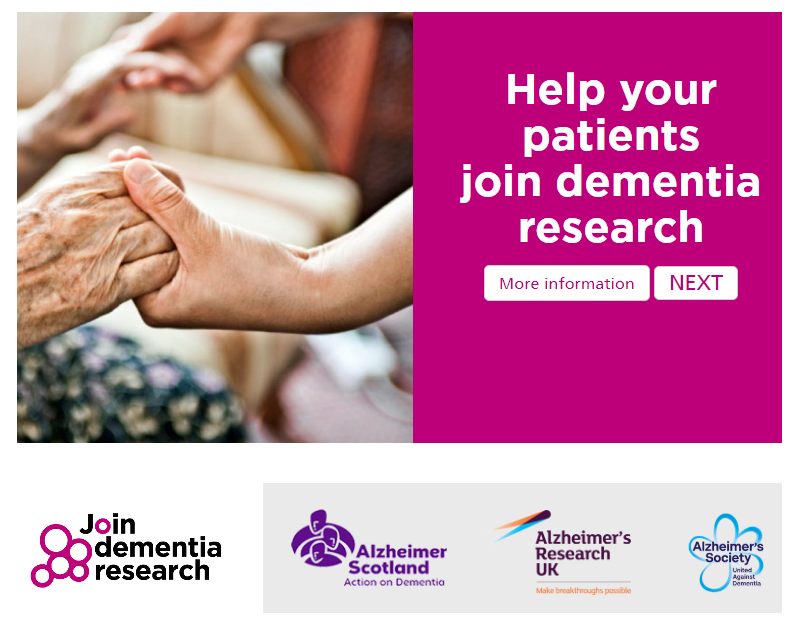
The NIHR has launched a simple new online awareness tool, to help healthcare professionals and researchers find out more about Join Dementia Research, and how they can help patients become involved.

In this blog by Katie Langin for Science Magazine, Katie explores how mindfulness helped PhD students deal with mental health challenges at the University of Tasmania.
UK organisations holding grants from Horizon 2020, the European Union’s flagship programme for research and innovation, need to submit information about them into a UKRI portal designed to capture basic details about the grants.

Be part of the team exploring the development of an exciting, novel concept. Read on to find out how Early Career Researchers can get involved in workshops with patients and public or help contribute to the debate.

Want to make a difference and support a young person from disadvantaged backgrounds gain an insight into research?

Lyrical Science helping early-career medical scientists pitch their research to philanthropists in an effort to unlock private sources of funding for the scientific community. Have your chance to pitch on the 1st June.

Blog by Bryan Ng from University of Oxford, for Dementia Platforms UK. Working with patient-specific stem cells comparing experimental outcomes he’s observing with symptoms recorded in the clinics.

The website provides information about NIHR funding awards for research, career development, infrastructure and Global Health projects.
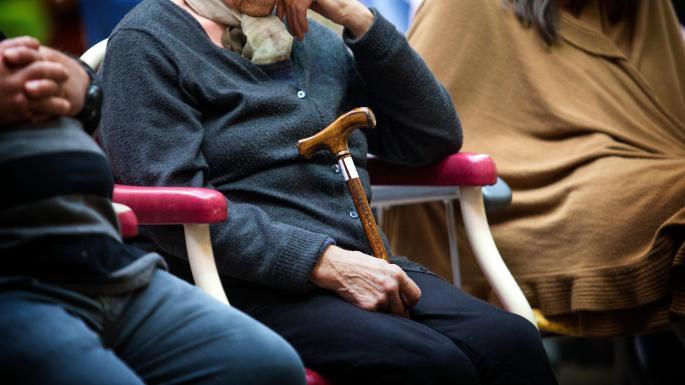
New evidence published in the Cochrane Library provides strong evidence that falls in people over sixty-years old can be prevented by exercise programmes.

Recognising that fact could help researchers in their journey through their graduate studies, says one second-year PhD student in this blog for Nature Careers.
 Alz Forum
 Adam Smith