Addressing Diversity in Alzheimer’s Clinical Trials
 Alzheimer's Association
A hurdle in developing Alzheimer’s theraputics that work for people of all ethnicities is recruitment & retention of underrepresented groups in clinical trials

A hurdle in developing Alzheimer’s theraputics that work for people of all ethnicities is recruitment & retention of underrepresented groups in clinical trials
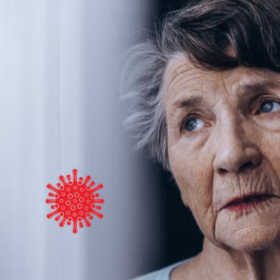
New research reports associations between COVID-19, and persistent cognitive deficits, including the acceleration of Alzheimer’s disease pathology and symptoms.

Transgender adults in the U.S. are more likely to report worsening memory & depression compared to cisgender adults. According to 2 studies reported at the AAIC
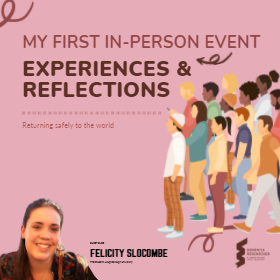
Catch-up with Felicity Slocombe, as she discusses what she discovered at her first face-to-face dementia conference & experiences of presenting her work

Positive trends in global education will decrease dementia prevalence but trends in smoking, BMI & high blood sugar counteract the decrease.

Improving air quality may improve cognitive function and reduce dementia risk, according to several studies reported this weeks AAIC.
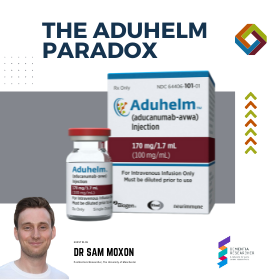
You may think Aducanumab is the miracle dementia drug we’ve been waiting for, so why do many researchers disagree? Dr Sam Moxon explores
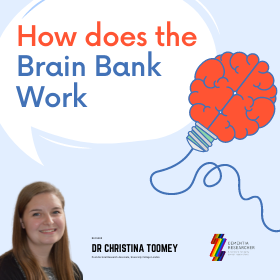
Dr Christina Toomey has worked at the Queen Square Brain Bank for 10 years, in this post we hear about her work and how it helps researchers worldwide
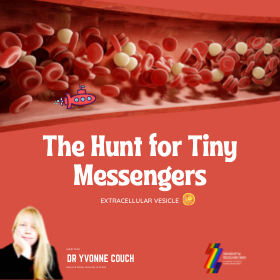
Extracellular Vesicles. Where do they come from, what do they do? Why are they interesting to Dementia Researchers? Dr Yvonne Couch explains.

Blood tests for Alzheimer’s rely on Aβ & Phosphorylated tau, they are 90% accurate, a new study suggests that a broad protein panel can do better.

A new study has explored the difficulties faced by people with dementia receiving cancer care. It suggests strategies for improvement.

Study published May 6 in Nature Neuroscience makes the case that neuronal ApoE not only signals distress, but also may have a hand in killing the neurons.
 Felicity Slocombe
 Dr Sam Moxon
 Dr Christina Toomey
 Dr Yvonne Couch
 Alz Forum
 Dementia Researcher