Blog – Can we 3D print revolutionary research?
 Dr Sam Moxon
Dr Sam Moxon introduces us to 3D Bioprinting, and work to print human tissue-like structures in the lab. But could this revolutionise dementia research?
Dr Sam Moxon introduces us to 3D Bioprinting, and work to print human tissue-like structures in the lab. But could this revolutionise dementia research?
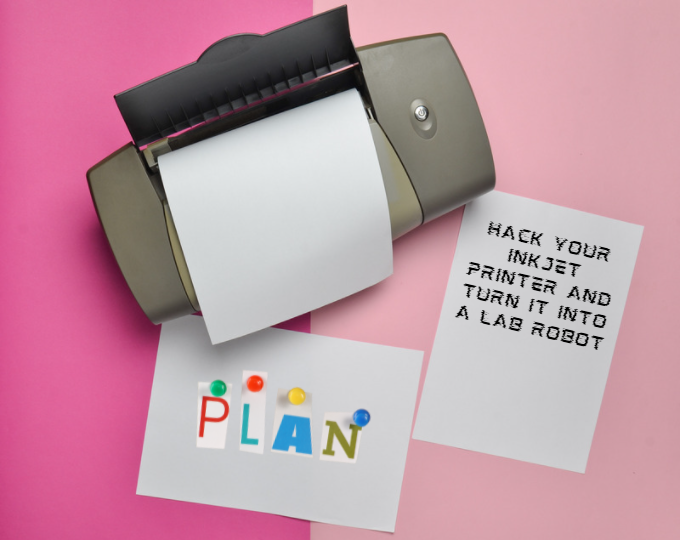
Do you think your printer is an astonishing feat of precision engineering – but how can if be help you in the Lab? Shared from The Conversation
Felicity Slocombe discusses her work on collective remembering or co-remembering and how it can be used in interactions with people living with dementia
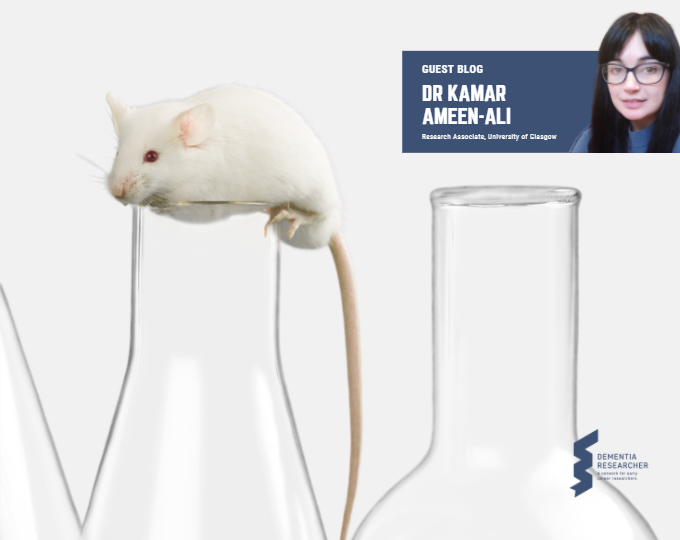
Why have preclinical studies using Alzheimer’s disease mouse models failed to translate into successful clinical trials? Dr Kamar Ameen-Ali explores
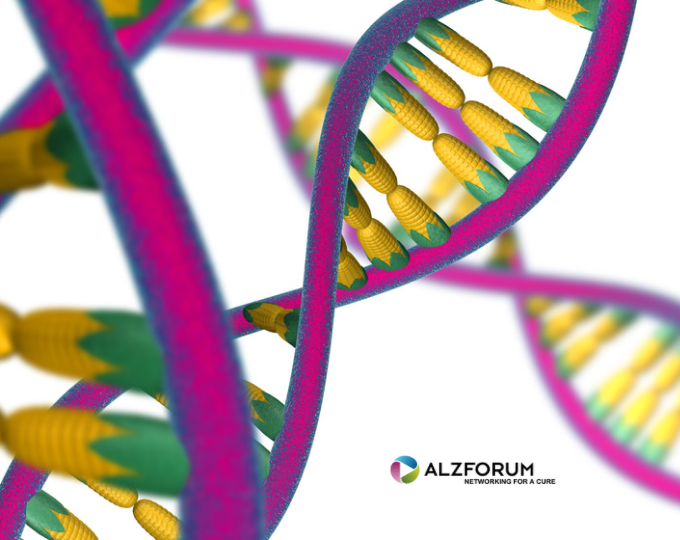
APOE4, the strongest genetic risk factor for sporadic Alzheimer’s disease, & has been tied to slightly better memory in the young.

This NIHR Evidence Collection brings together key findings on loneliness in older adults, to build a picture of what is known & needed.
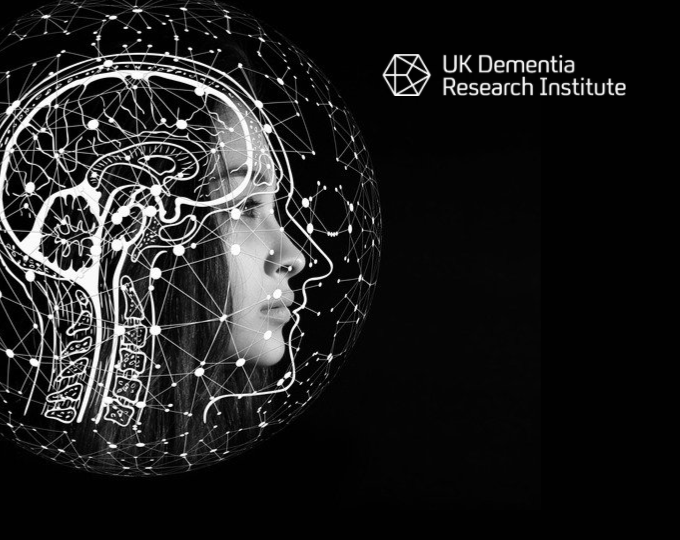
A new study has used a state-of-the-art blood test to track damage to the brain in people who have sustained traumatic brain injury (TBI).

It took more than 1m samples, but researchers have managed to extract 7 fresh Alzheimer’s loci. Published September 7 in Nature Genetics.

Staying active has many health benefits, including, perhaps, to help preserve memory. Alas, is this true in some more than others?
In this Understanding Animal Research film – Dr Mark Dallas describes his research into the causes of Alzheimer’s disease & Glia cells

If clearance of amyloid would be “reasonably likely” to bestow a cognitive benefit – setting the bar rather blow there other antibodies
In the first of our blood flow blogs, Beth Eyre discusses her own research and gives a whistle stop tour about the importance of blood flow.
 The Conversation
 Felicity Slocombe
 Dr Kamar Ameen-Ali
 Alz Forum
 NIHR
NIHR UK DRI
 Dementia Researcher
 Dr Beth Eyre