
Call for Papers: Exceptional Aging Special Issue
TRCI wants original research, reviews and perspectives on exceptional aging in later life, from cognition and mobility to biological resilience and mixed pathology.
The Alzheimer's Association leads the way to end Alzheimer's and all other dementia — by accelerating global research, driving risk reduction and early detection, and maximizing quality care and support.
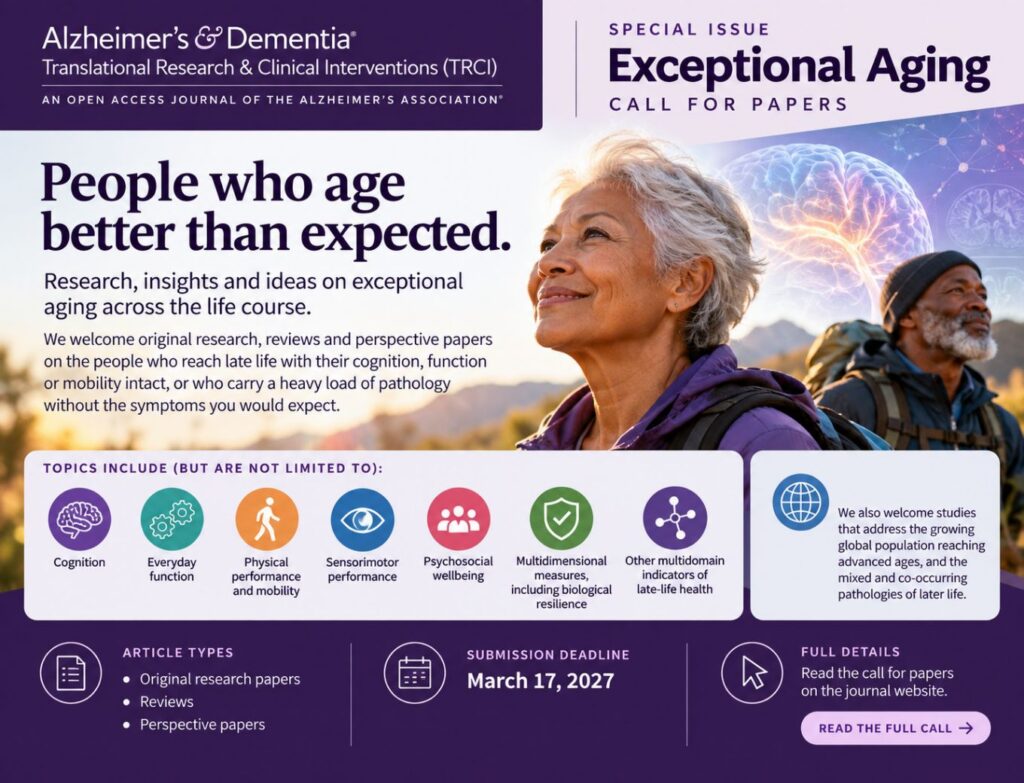
TRCI wants original research, reviews and perspectives on exceptional aging in later life, from cognition and mobility to biological resilience and mixed pathology.
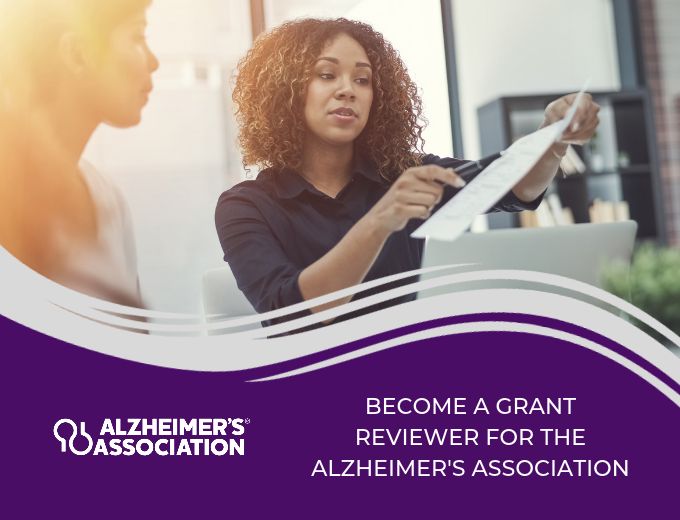
ISTAART members are invited to register interest in peer reviewing grant applications for the Alzheimer’s Association International Research Grant Program.

ISTAART launches two new PIAs on physical activity and post-traumatic neurodegeneration. Join now to connect, collaborate and shape dementia research.

A blood test measuring p-tau217 may predict Alzheimer’s-related cognitive decline up to a decade before symptoms appear, AAIC 2026 research finds.
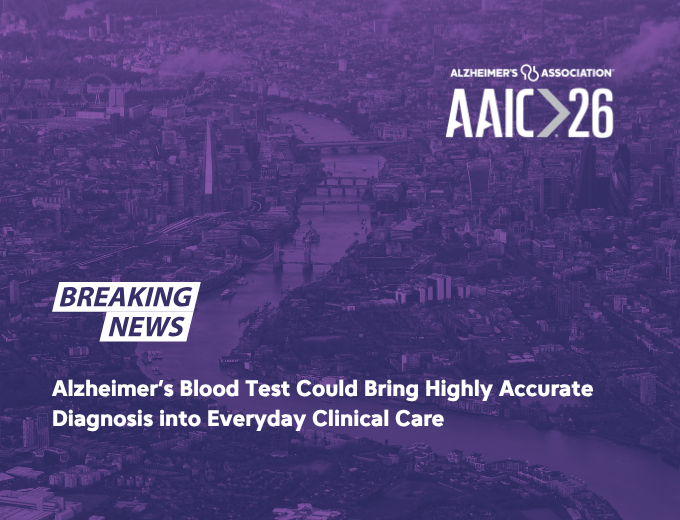
New data suggest an Alzheimer’s blood test could help primary care doctors diagnose the disease with around 90% accuracy, matching specialists. #AAIC26
Phase 2 LiBBY trial results suggest a THC/CBD combination rapidly and significantly reduces agitation in hospice-eligible people with dementia. #AAIC26

A new $100m global trial will test whether combining lifestyle support with GLP-1 or similar drugs can reduce cognitive decline and dementia risk.

Lifestyle changes improved memory and thinking in older adults at risk of dementia across Latin America, with coaching delivering the strongest gains.

Research presented by Caleigh Grace Lynch presneted at AAIC provides insights into brain health among former elite professional soccer players during midlife.

Join ISTAART PIAs for Year in Review webinars sharing key 2025 research and future directions in Alzheimer and dementia science with expert panels.

A guide to preparing and submitting abstracts for AAIC covering structure themes review steps and tips to help you present your research at the conference.

Walking and other healthy habits may benefit people with high genetic risk for Alzheimer’s most, with consistent walking for two years boosting cognition up to 7 yrs later.