Human cortex in a mouse: a new route to FTD cells
 Dementia Researcher
Stanford researchers grew human cortical tissue in mice engineered without a cortex, producing the first lab-grown von Economo neurons, cells lost early in FTD.
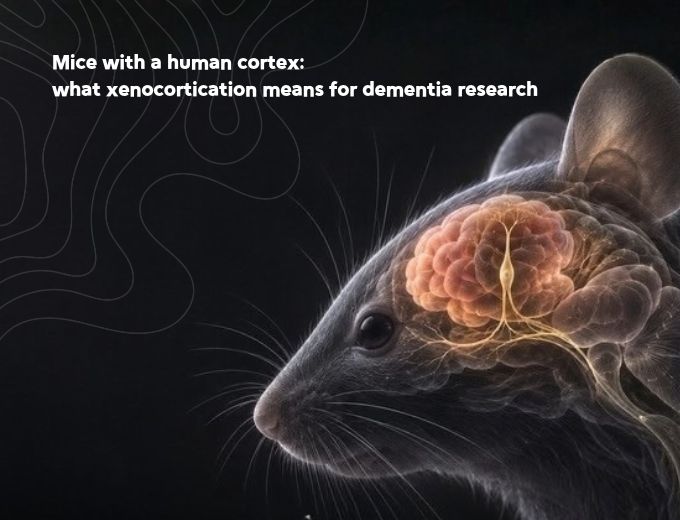
Stanford researchers grew human cortical tissue in mice engineered without a cortex, producing the first lab-grown von Economo neurons, cells lost early in FTD.
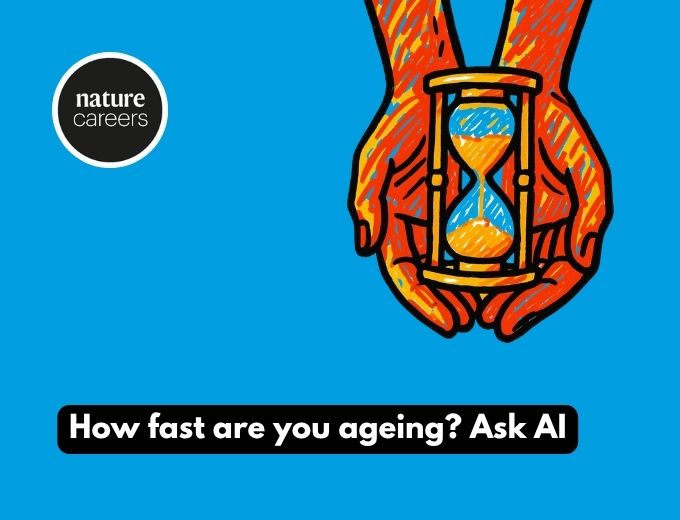
A new AI Large Language Model system will help scientists to refine large language models for longevity research and clarify ‘biological’ age.
Changes to the Open Science Framework’s policies will come into effect in November, forcing researchers to reconsider their workflows.
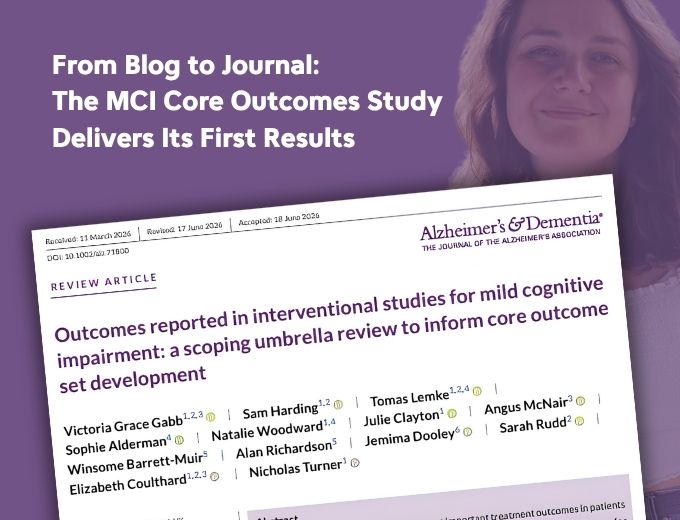
Victoria Gabb’s MCI Core Outcomes Study has its first published output – a scoping umbrella review in Alzheimer’s & Dementia mapping 143 outcomes reported in MCI trials.
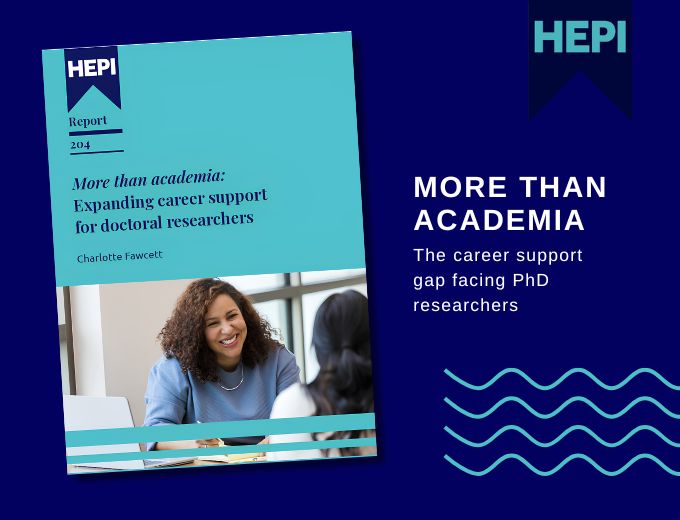
A new HEPI report calls for better PhD careers support, as more researchers favour careers beyond academia but lack the preparation they need.
The Dementia Researcher Salon Research Showcase features weekly talks where researchers present studies and findings in dementia research. Watch on YouTube.
Could AI sharpen dementia diagnosis? Research presented at AAIC shows how medical records might help GPs identify who needs specialist testing.
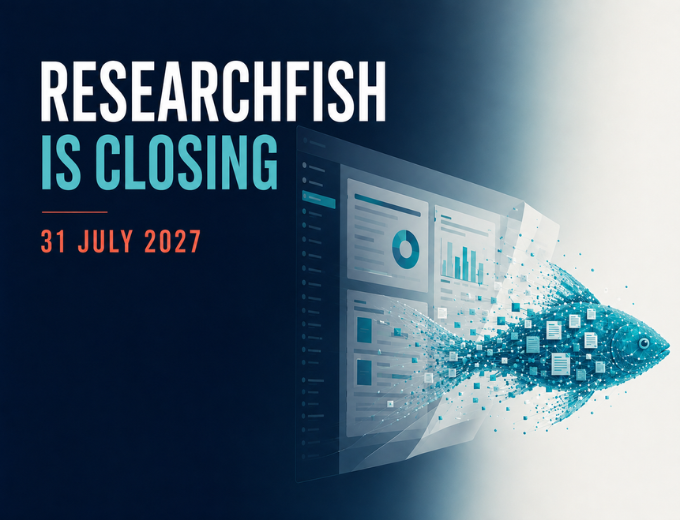
Researchfish is closing in July 2027. Here’s what NIHR and UKRI-funded researchers need to know about reporting, deadlines and what happens next.
New research maps how tau changes as Alzheimer’s progresses, identifying soluble tau modifications that could offer new biomarkers of tangle burden.

ISTAART launches two new PIAs on physical activity and post-traumatic neurodegeneration. Join now to connect, collaborate and shape dementia research.
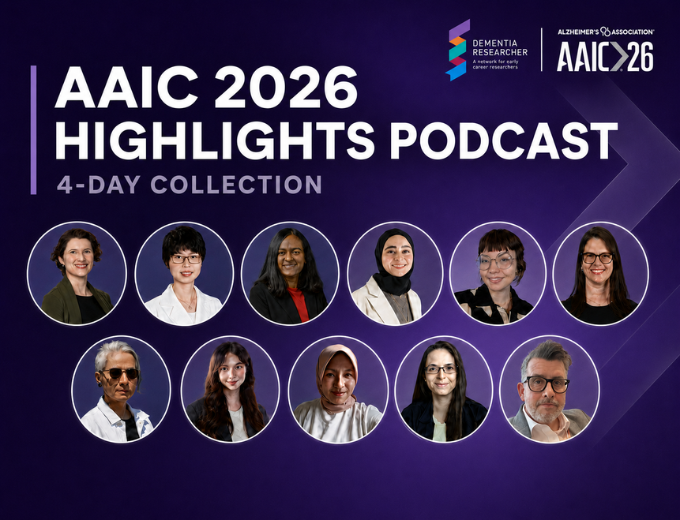
Catch up on AAIC 2026 with four daily podcasts featuring 10 guests sharing the research, conversations and conference moments that caught their attention.
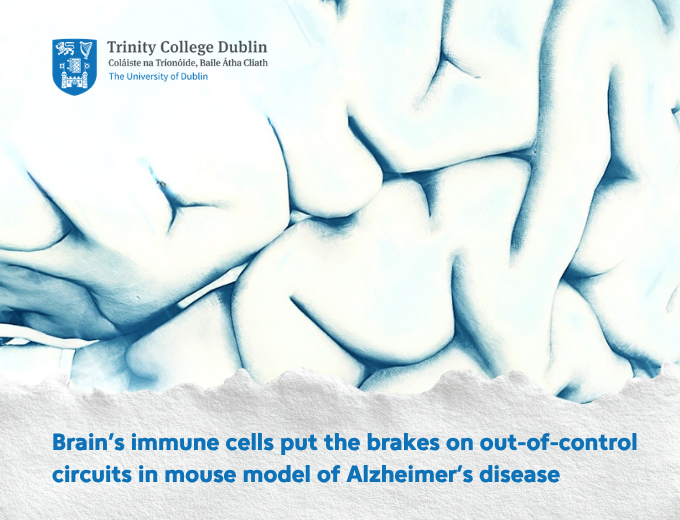
Suppressing microglia worsened abnormal brain activity and seizures in an Alzheimer’s mouse model, revealing their role in keeping neural circuits stable.
 Nature Careers Blog
 Alz Forum
 Alzheimer's Association