
Tau strains keep their shape as they spread, mouse study shows
 Dementia Researcher
Tau filaments from Alzheimer’s and CBD brains made mouse tau copy their exact atomic structure, the clearest evidence yet that tau strains spread like prions.
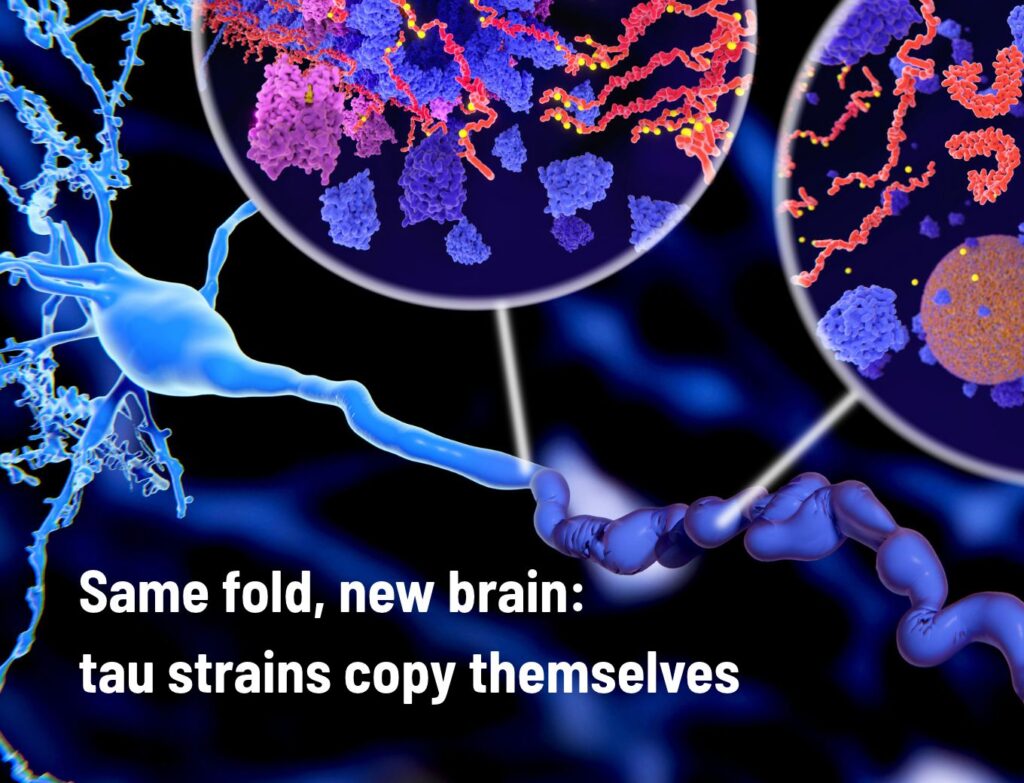
Tau filaments from Alzheimer’s and CBD brains made mouse tau copy their exact atomic structure, the clearest evidence yet that tau strains spread like prions.
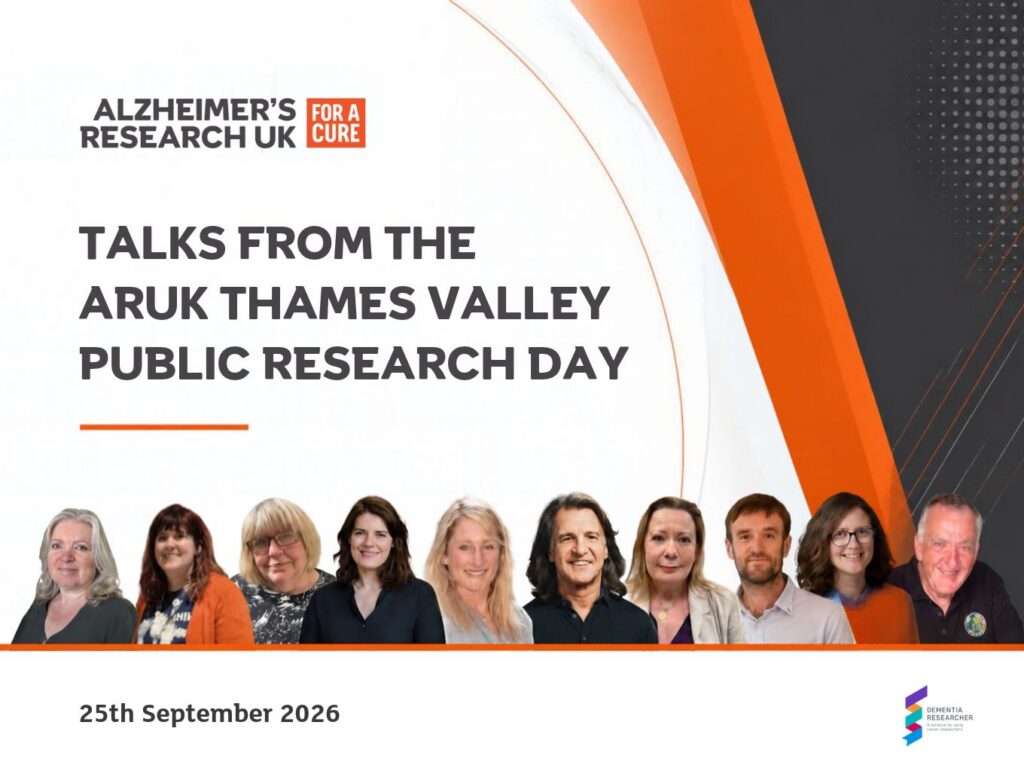
Five talks from the ARUK Thames Valley Public Research Day in Oxford, with Hilary Evans-Newton, Clare Mackay, Helen Sloan, Kirsty Rogers and an expert panel.
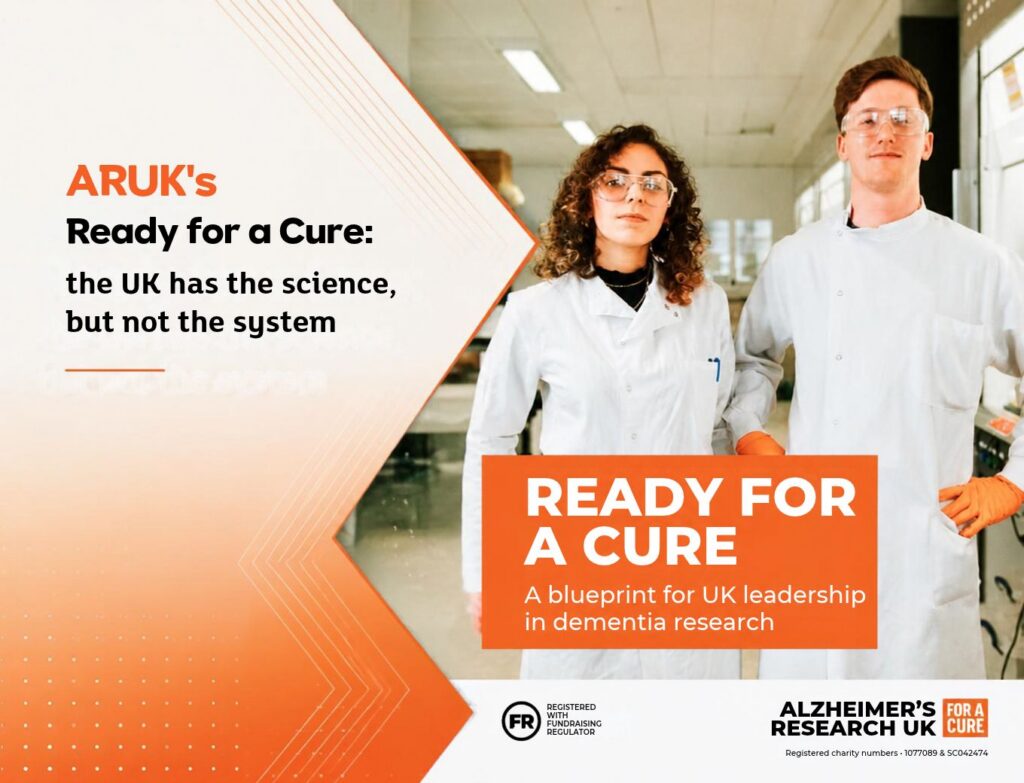
A reminder of Alzheimer’s Research UK’s July report on UK dementia research: falling trial numbers, a fragile workforce, and three priorities for government.

MemoryTell has Innovate UK funding to test a 15-minute speech and language assessment in memory clinics, and wants to hear from memory services keen to get involved.

Hundreds of once-free academic journals now charge a fee. What drives the shift, and what does it mean for researchers with limited funds to publish their work?
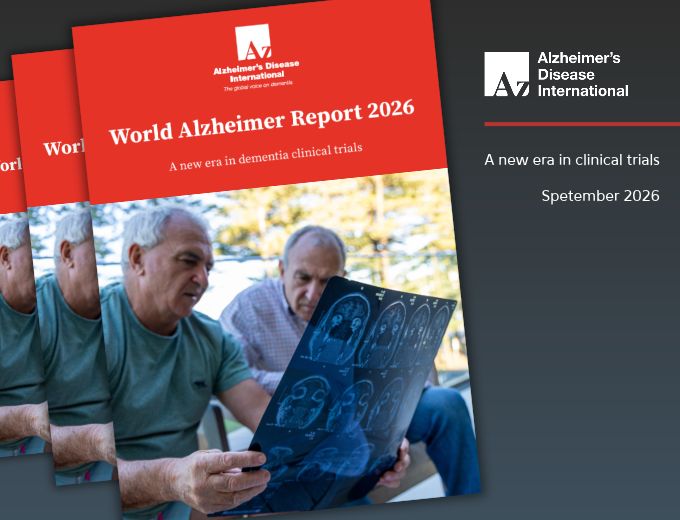
The World Alzheimer Report 2026 from ADI focuses on dementia clinical trials. Key findings, the ten recommendations, and what they mean for researchers.
A Cochrane review led by the University of Exeter finds tailored falls prevention programmes probably work no better than simple advice and education.
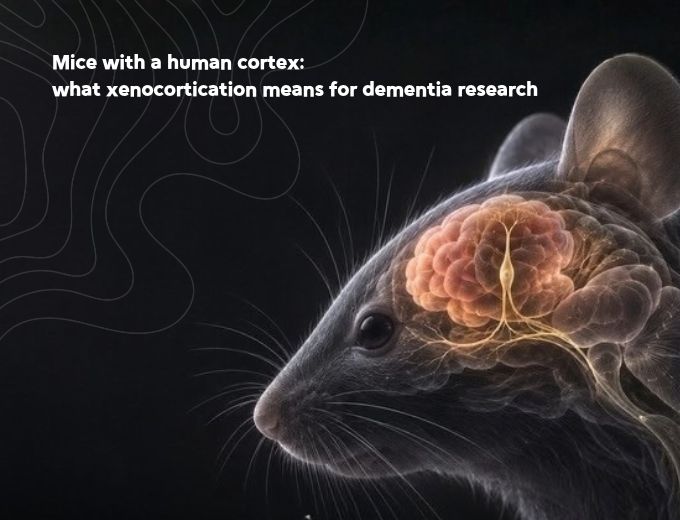
Stanford researchers grew human cortical tissue in mice engineered without a cortex, producing the first lab-grown von Economo neurons, cells lost early in FTD.
Changes to the Open Science Framework’s policies will come into effect in November, forcing researchers to reconsider their workflows.
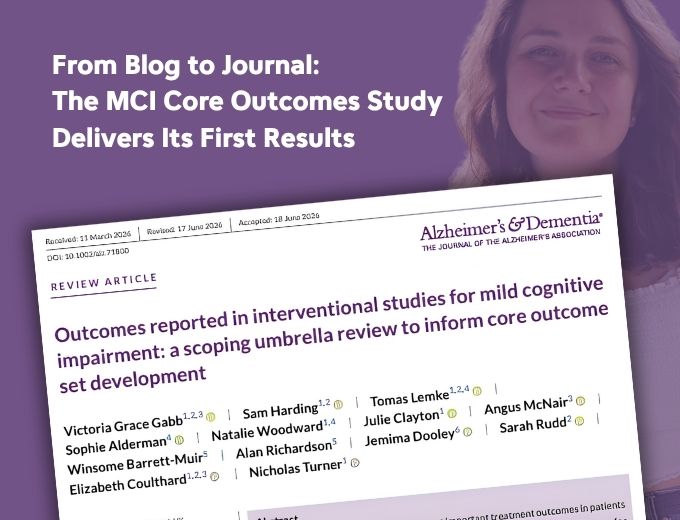
Victoria Gabb’s MCI Core Outcomes Study has its first published output – a scoping umbrella review in Alzheimer’s & Dementia mapping 143 outcomes reported in MCI trials.
A new HEPI report calls for better PhD careers support, as more researchers favour careers beyond academia but lack the preparation they need.
The Dementia Researcher Salon Research Showcase features weekly talks where researchers present studies and findings in dementia research. Watch on YouTube.
 Nature Careers Blog