AI Enabled Trials in Neurodegeneration: London Summit Insights
 Dementia Researcher
LifeArc and the DEMON Network share talks from the London Summit on AI Enabled Trials in Neurodegeneration, covering AI, trial design and remote trials.

LifeArc and the DEMON Network share talks from the London Summit on AI Enabled Trials in Neurodegeneration, covering AI, trial design and remote trials.
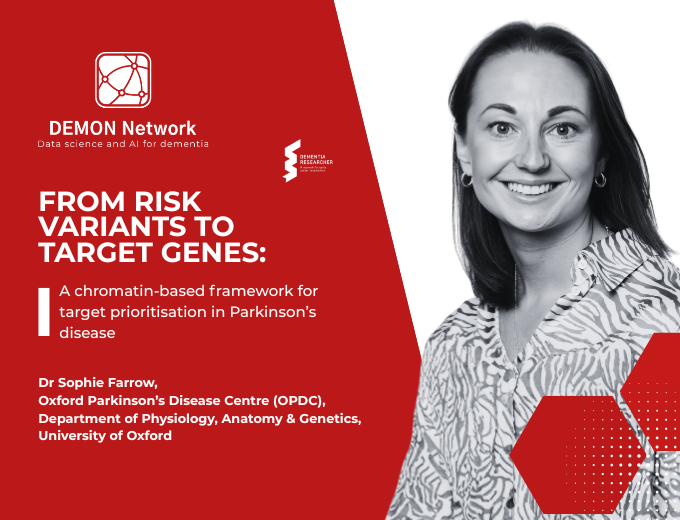
Dr Sophie Farrow’s DEMON Network talk on using chromatin interactions to find cell-specific drug targets in Parkinson’s disease. Watch the full session now.

Alzheimer Europe Research Insights, webinar recordings on data sharing, collaboration and key dementia research developments across Europe.
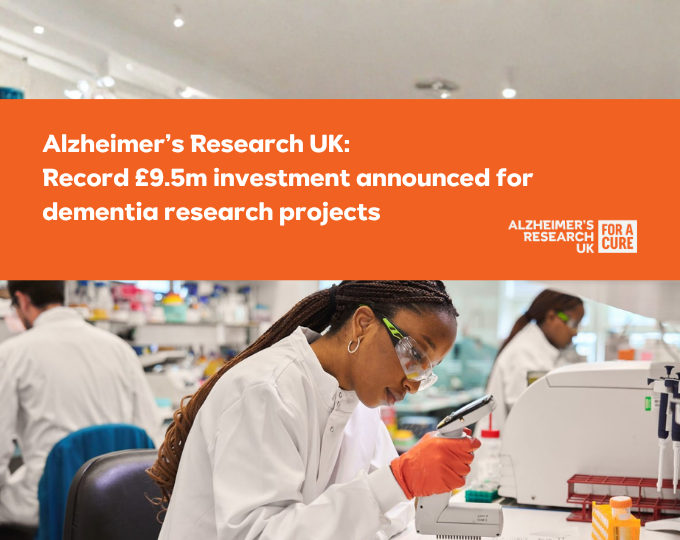
Alzheimer’s Research UK invests a record £9.5m in 25 dementia research projects, supporting new ideas, better diagnosis and future treatments.

Alzheimer’s Society funds 17 new dementia research awards, supporting early career researchers across diagnosis, care, prevention and disease biology.
It’s Pride Month. Free OpenLearn courses on allyship and LGBTQ+ history, plus resources on LGBTQ+ people, dementia, and being out in research.

DePEC is improving dementia prevention, diagnosis and care in low resource settings, building tools, training and evidence to support communities worldwide.
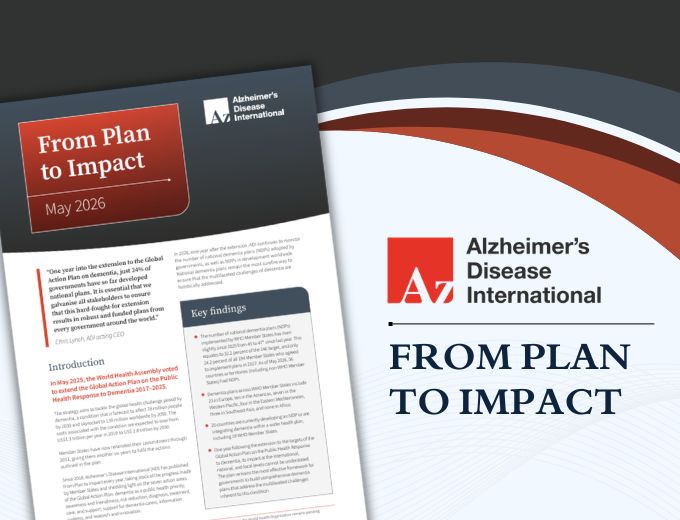
Only 1 in 4 governments has a national dementia plan — yet 139 million people will be affected by 2050. Read the new ADI report: From Plan to Impact 2026.
UK DRI launches £10m Parkinson’s Research Centre with Edinburgh, Oxford and UCL, aiming to find treatments that slow, stop or prevent the condition.
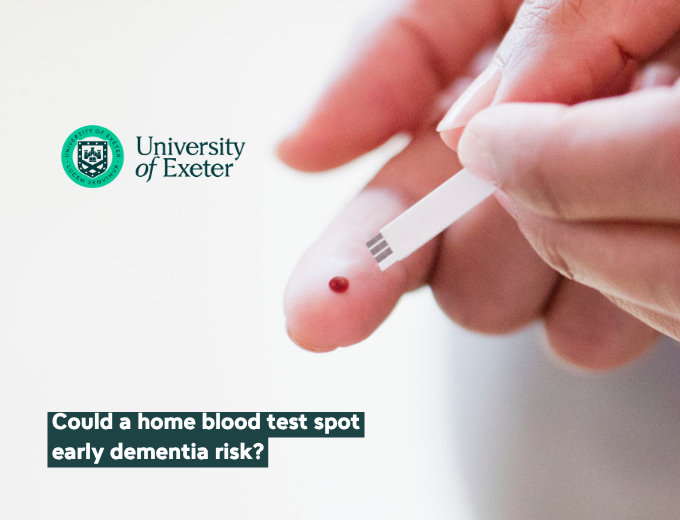
Exeter researchers find a finger prick blood test posted from home, paired with online brain tests, could help identify people at higher risk of dementia.
SAFER Dem, a new University of Manchester tool, helps improve discharge planning for people with dementia leaving mental health hospitals.
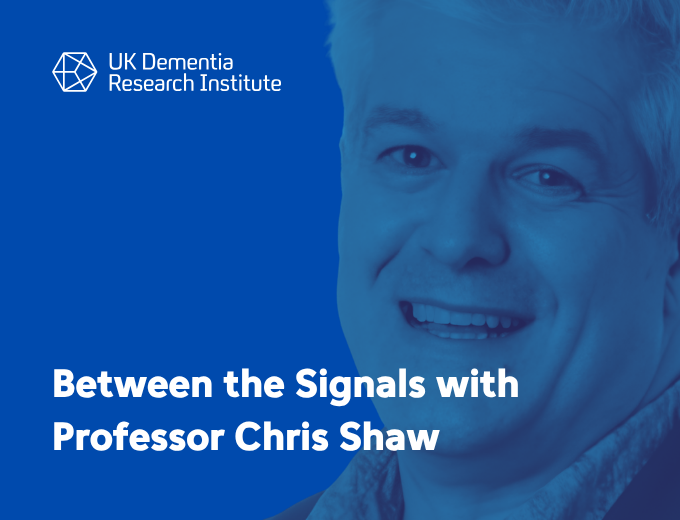
Can a single brain injection replace lifelong medication? In this UKDRI Podcast Chris Shaw explores gene therapy, MND genetics, and the future of treating neurodegenerative disease.
 DEMON Network
 Alzheimer's Society
 NIHR
NIHR UK DRI