Brain’s Immune Cells Rein in Alzheimer’s Brain Circuits
 Dementia Researcher
Suppressing microglia worsened abnormal brain activity and seizures in an Alzheimer’s mouse model, revealing their role in keeping neural circuits stable.
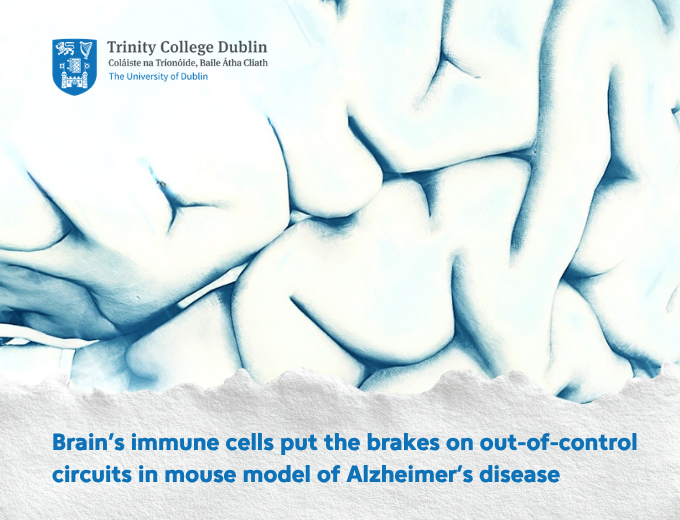
Suppressing microglia worsened abnormal brain activity and seizures in an Alzheimer’s mouse model, revealing their role in keeping neural circuits stable.

Wellcome is removing fixed deadlines from three major funding schemes, allowing researchers to submit applications whenever they are ready.

The CELIA trial found diranersen reduced tau and showed signs of slowing decline, while separate research linked blood tau with future Alzheimer’s risk.

A blood test measuring p-tau217 may predict Alzheimer’s-related cognitive decline up to a decade before symptoms appear, AAIC 2026 research finds.
New data suggest an Alzheimer’s blood test could help primary care doctors diagnose the disease with around 90% accuracy, matching specialists. #AAIC26
Phase 2 LiBBY trial results suggest a THC/CBD combination rapidly and significantly reduces agitation in hospice-eligible people with dementia. #AAIC26

A new $100m global trial will test whether combining lifestyle support with GLP-1 or similar drugs can reduce cognitive decline and dementia risk.

Lifestyle changes improved memory and thinking in older adults at risk of dementia across Latin America, with coaching delivering the strongest gains.

Research presented by Caleigh Grace Lynch presneted at AAIC provides insights into brain health among former elite professional soccer players during midlife.
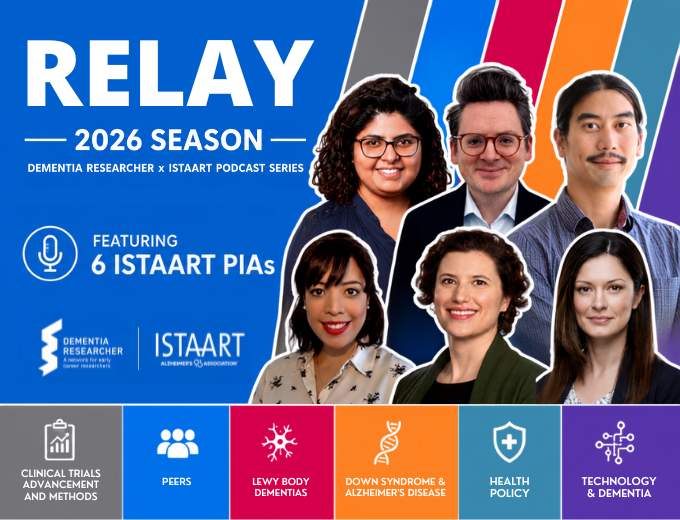
Six podcast episodes and two Relay Live specials introducing ISTAART Professional Interest Areas, dementia researchers and the topics shaping AAIC 2026.
Meet Alzheimer’s Society’s new dementia research awardees and hear how their projects aim to improve diagnosis, care, prevention and brain health.
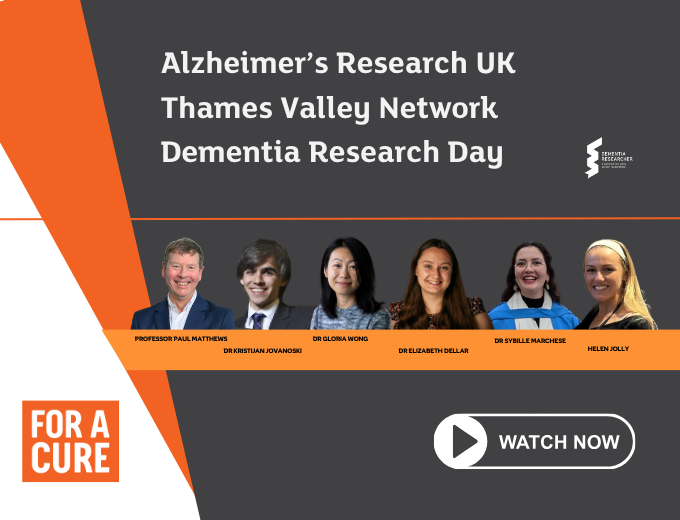
Watch the main plenary and five flash talks from the ARUK Thames Valley Research Conference, covering dementia science from cells to care.
 Wellcome Trust
 Alzheimer's Association
 Alzheimer's Society