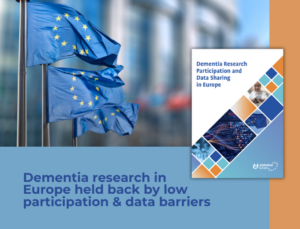
 A major new report has highlighted a growing mismatch between public support for dementia research in Europe and the reality of low participation and fragmented data sharing systems.
The study, , published by Alzheimer Europe, brings together evidence from scientific literature, public surveys and stakeholder insights to examine why more people are not taking part in research, and why valuable data is not being shared more effectively.
Strong support, but limited involvement
Despite widespread recognition of the importance of dementia research, participation remains low. Just 14.4 per cent of respondents to a large European survey reported ever taking part in a dementia study, even though most who had participated described their experience as positive.
Across Europe, attitudes towards research are generally favourable. Many people are motivated by a desire to help future generations, contribute to scientific progress, and improve diagnosis, treatment and care.
However, this goodwill is not translating into widespread engagement.
Awareness and access are key barriers
The report identifies a lack of awareness as one of the most significant obstacles. Many people simply do not know how or where to take part in research, with some saying they had “never thought about participating” at all.
Opportunities are also unevenly distributed across Europe, with access often limited to urban centres or individuals already connected to healthcare systems or Alzheimer’s organisations.
Practical challenges such as time commitments, travel, and the burden of participation further reduce involvement. More invasive studies, including those involving medication or lumbar punctures, are significantly less likely to attract participants.
Trust and communication shape decisions
Trust emerges as a central factor in whether people choose to take part. Clear communication, respectful engagement, and transparency about risks and benefits are essential to building confidence.
Participants stressed the importance of being treated as partners in research rather than subjects, and highlighted the need for better feedback after studies conclude. A lack of follow up or communication was seen as damaging to trust.
Healthcare professionals were also identified as critical gatekeepers, with recommendations from trusted clinicians strongly influencing decisions to participate.
Data sharing widely supported, but difficult in practice
The report finds strong backing for data sharing as a way to accelerate progress. Around 88 per cent of survey respondents agreed that sharing research data is important for advancing dementia research, and most were comfortable with their data being shared if their identity is protected.
However, this support comes with conditions. People want clarity on how their data will be used, who will access it, and how privacy will be safeguarded.
There is also less willingness to share data with certain groups, particularly organisations outside Europe or the pharmaceutical industry.
From a research perspective, practical barriers remain significant. Fragmented systems, complex approval processes and inconsistent interpretation of data protection rules continue to limit data sharing across countries.
A need for more inclusive and coordinated research
The report highlights concerns that dementia research does not fully reflect the diversity of those affected. People from minority backgrounds, rural areas, and later stages of dementia are often underrepresented.
Improving participation will require more proactive outreach, better communication, and support tailored to different communities.
At the same time, the authors call for stronger international collaboration and more coordinated data sharing systems to reduce duplication, improve efficiency, and maximise the impact of research.
A growing urgency
With dementia rates rising across Europe, the need to strengthen research participation and data sharing is becoming more pressing.
The report concludes that progress will depend not only on scientific advances, but on building trust, improving access, and ensuring that research is shaped by the voices and experiences of those most affected.
Without these changes, the gap between potential and progress in dementia research is likely to persist.


 Emily Spencer

 Nature Careers Blog
 Dr Becky Carlyle