 Print This Post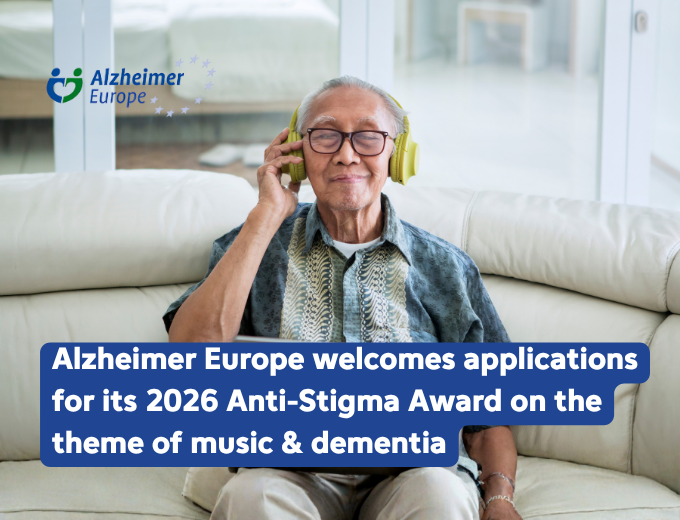
Alzheimer Europe and the Alzheimer Europe Foundation have announced that applications are now open for the 2026 Anti Stigma Award, recognising creative work that challenges perceptions of dementia.
This year’s award focuses on the role of music in addressing stigma. Artists and initiatives across Europe are invited to showcase how their work helps promote a more positive and realistic understanding of dementia and the experiences of people living with the condition.
Launched in 2022, the Anti Stigma Award continues to grow in reach and impact. For 2026, entries must demonstrate how music has been used to engage audiences, shift attitudes, or support people affected by dementia. Eligible submissions must have been produced between 2023 and 2026 and come from individuals or organisations based in a country represented by Alzheimer Europe.
Applications can be submitted directly by artists or initiatives, or via a nominating national Alzheimer association. Where nominations are made by a third party, written consent from the nominee is required.
The award offers three prizes:
- First place: €5,000
- Second place: €2,500
- Third place: €1,250
All winners will also receive a trophy and be invited to attend the award ceremony and networking dinner, taking place on 28 October 2026 in Dublin. Travel and accommodation costs for the top three applicants will be covered.
Shortlisted applicants may be invited to present their work to the Award Committee during an online session on 13 July 2026.
The deadline for applications is 26 June 2026.
More information and the application form are available via Alzheimer Europe’s website:
https://www.alzheimer-europe.org/anti-stigma-award-2026
This award offers a valuable opportunity to highlight how creative approaches, particularly through music, can play a role in changing how society understands and responds to dementia.

 Rebecca Williams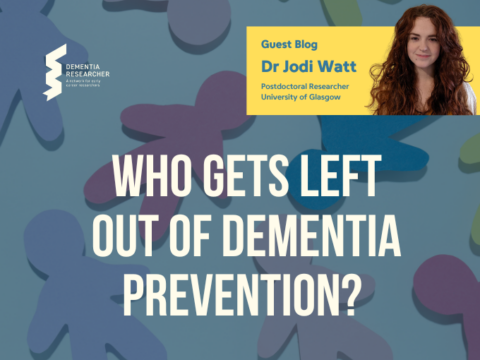
 Dr Jodi Watt