Print This Post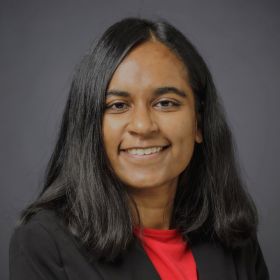
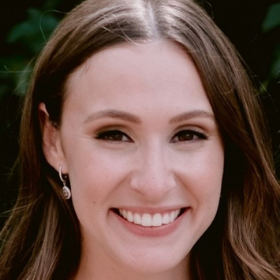
Dr Natasha Anita
Name:
Dr Natasha Anita
Job title:
Research Fellow
Place of work / study:
Harvard Medical School / Massachusetts General Hospital
Area of Research:
I study risk factors for cognitive ageing and Alzheimer’s disease and related dementias, with a focus on how cardiometabolic conditions and late-life depression.
How is your work funded:
Canadian Institutes of Health Research (CIHR) Fellowship
Tell us a little about yourself:
My scientific training began as an undergraduate student in Dr. Walter Swardfager’s lab at the University of Toronto. I later pursued my PhD in the Swardfager lab, where I investigated the role of circulating lipid mediator species—known as “oxylipins”—in depressive and cognitive symptoms among older adults with type 2 diabetes. Individuals with diabetes are at an increased risk of developing Alzheimer’s Disease and Related Dementias (ADRD), yet targeted therapies remain lacking. My PhD research advanced the field beyond preclinical models by identifying oxylipins as potential neuropsychiatric biomarkers for the first time in humans with diabetes. In 2025, I was awarded a CIHR Fellowship to pursue my postdoctoral training at Harvard Medical School and Massachusetts General Hospital. At Harvard, I will gain deeper insight into the clinical presentation, diagnosis, and management of late-life neuropsychiatric symptoms, and to strengthen my ability to integrate phenotyping with biomarkers of cognitive aging and ADRD. Outside of the lab, I am passionate about scientific communication and helping the public understand what we do and why it matters.
Tell us a fun fact about yourself:
I have taught Japanese at the university level!
Why did you choose to work in dementia?
I credit the University of Toronto with first sparking my interest in pharmacology as an undergraduate student and later shaping my research skills throughout my graduate training. During my PhD, I became increasingly interested in how chronic conditions such as diabetes contribute to cognitive decline and dementia risk. Many dementia risk factors are potentially modifiable. By better understanding how these factors influence brain health, we can identify opportunities for prevention and early intervention.
What single piece of advise would you give to an early-career researcher?
Be comfortable with not knowing things – that’s what research is for!
What book are you reading right now? Would you recommend it?
Tuesdays with Morrie by Mitch Albom. I was first introduced to this book by my Grade 8 teacher – it definitely hits harder when you’re older!
Favourite film of all time?
Gladiator, Alien and Men in Black 3