Print This Post
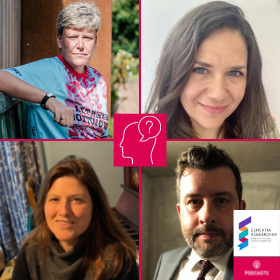
This short playlist brings together two talks from the 2025 BRACE Academic Conference. They sit well side by side, with one focusing on what happens to the brain as we age and the other looking at how we recognise dementia earlier and with more confidence.
The first talk is from Vesna Vuksanovic from Swansea University. She explains how brain imaging can show patterns of change that appear long before symptoms are obvious. Rather than losing structure at random, the brain seems to follow certain patterns across its networks. These changes link to thinking and behaviour in conditions such as Alzheimer disease and frontotemporal dementia. She also describes some early findings from a BRACE funded pilot study, including work on ageing subtypes, brain networks and gene expression. The aim is to see whether these different pieces form patterns that might help us understand individual ageing in a more meaningful way.
The second talk, from Professor Liz Coulthard at the University of Bristol, looks at early diagnosis in clinical practice. She talks about why spotting dementia earlier matters and how new tests are starting to help clinicians do this. This includes imaging, memory assessments, and rapid progress in blood tests. She also touches on the limits of current treatments, the slow course of Alzheimer disease, and the work happening in clinics and research centres to improve accuracy and access. Again, BRACE plays a part here by supporting research that moves these ideas forward.
Together, the two recordings give a clear sense of how science and clinical practice are moving closer. Better understanding of the brain supports better diagnosis, and better diagnosis opens the door to better support for people affected by dementia.
To learn more about the work BRACE funds and supports, visit their website: https://www.alzheimers-brace.org/