2019 – A Year of Hope for Alzheimer’s Research
 Alz Forum
Aducanumab, funding boosts, and early progress in trials have renewed hope in Alzheimer’s research. Could this be the turning point?

Aducanumab, funding boosts, and early progress in trials have renewed hope in Alzheimer’s research. Could this be the turning point?

Though Aβ-targeted therapies hogged the limelight at this year’s CTAD Conference a large handful of smaller studies had findings to report, as well.
We’re signing off for a short break. Thanks for being part of our community! Catch our 2019 round-up podcast on 23 Dec — back with more in the new year.
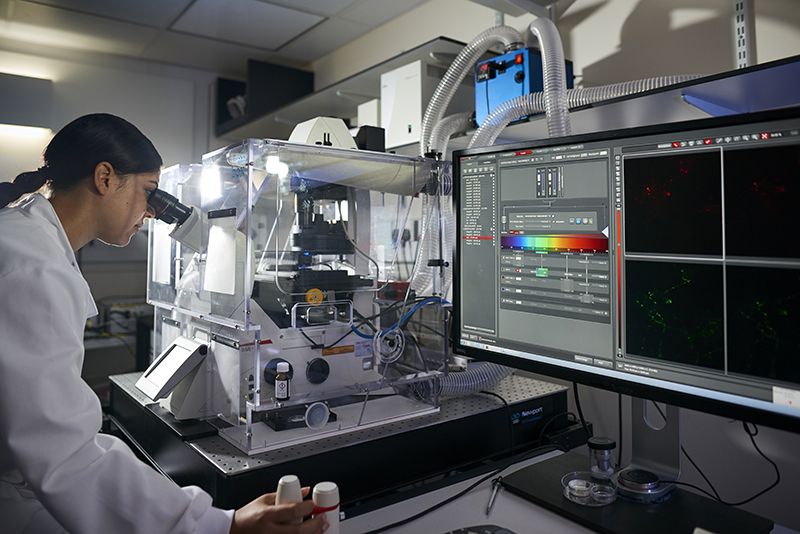
Cryo-EM lets scientists see large biomolecules at near-atomic resolution. Kühlbrandt called it the ‘Resolution Revolution’ for its impact on structural biology.

This Wellcome report presents the results from the Wellcome Monitor, a study about public knowledge of and attitudes towards science and health research.

Two datathons in two weeks – autumn has certainly been busy for DPUK. Crossing the country to help a host of new dementia studies get off the ground.

Join the DEMON Network: a new national initiative uniting AI experts, data scientists and clinicians to transform dementia research and care through innovation.

GV-971, a seaweed-derived drug, gains conditional approval in China to treat mild to moderate Alzheimer’s, with global trials set to start in 2020.

Leaving academia isn’t the same as leaving research, which is why we need to reimagine what a successful research career looks like.

In this blog from the Science Integrity Digest, Elisabeth Bik discusses plagiarism detection, the tools she has been using, and other tools that are available.

Desiree Dickerson discusses learning to control the voice in her head that insisted she wasn’t good enough in this post shared from the Nature Careers website.

A multi-institutional group, including members of the Tau Consortium, unveiled a stem cell tool kit for scientists studying primary tauopathies.
 Dementia Researcher
 Nature Careers Blog
 Wellcome Trust