
Aβ in Lewy Body Disease: 2 Diseases at Once?
 Alz Forum
Many people with Lewy body diseases (LBDs) ultimately develop dementia, and many have Aβ plaques & tau. Do they have two diseases at the same time?

Many people with Lewy body diseases (LBDs) ultimately develop dementia, and many have Aβ plaques & tau. Do they have two diseases at the same time?
At the virtual AAT-AD/PD Focus meeting, clinicians and funders involved in the DIAN-TU Trial discuss results from the first DIAN-TU treatment trial

Can stress increase dementia risk? Sarah Gregory explores cortisol, Alzheimer’s, and what research reveals about this complex connection.
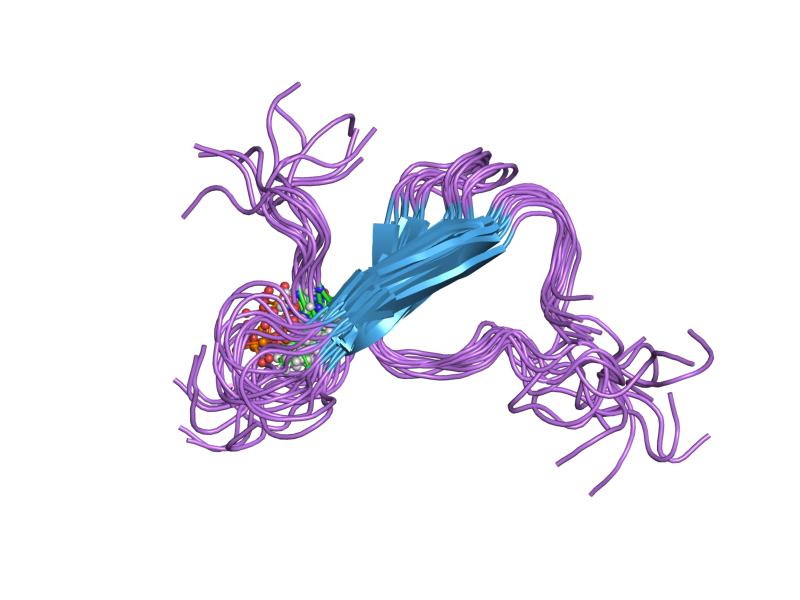
Tau2020 united 650 researchers, marking a key moment in tauopathy research with breakthroughs from progression staging to new ligands and tau spread insights.

It may seem counter intuitive, but could BACE2 protect against amyloidosis, rather than contribute to it? Find out in the post shared from the Alz Forum website
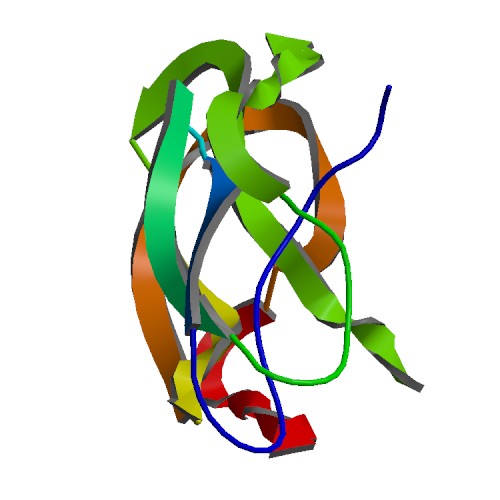
The notorious amyloid precursor protein, central to Alzheimer’s disease pathogenesis, sports a new look on Alzforum’s Mutations database – open access
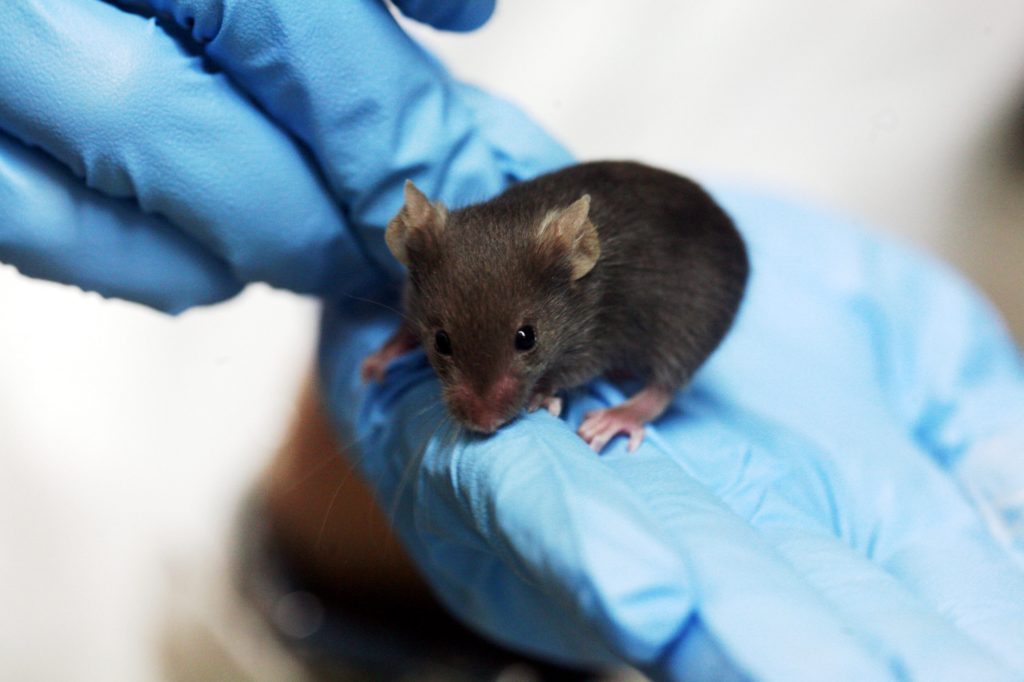
Human and mouse brains respond differently to amyloid. A new study reveals why transgenic mice may fall short in modelling Alzheimer’s disease.
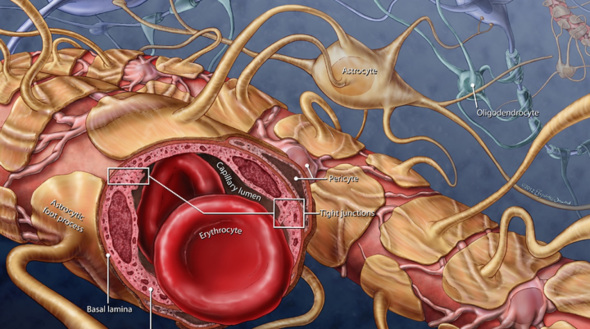
Ageing weakens the blood-brain barrier, triggering TGFβ signalling, hyperexcitation, and memory loss; in mice, a TGFβ blocker prevents these effects.
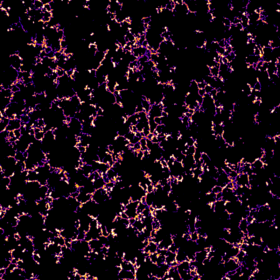
Human brain biopsies reveal 14 types of microglia, from calm to inflammatory. Their states shift with age, disease, and brain region, upsetting cellular balance

Cryo-EM lets scientists see large biomolecules at near-atomic resolution. Kühlbrandt called it the ‘Resolution Revolution’ for its impact on structural biology.

CRISPR wasn’t the answer for Xingxu Huang. Discover how base editors offer a more precise way to correct genetic mutations, one DNA letter at a time.

GV-971, a seaweed-derived drug, gains conditional approval in China to treat mild to moderate Alzheimer’s, with global trials set to start in 2020.
 Sarah Gregory
 Dementia Researcher
 Nature Careers Blog