Introducing: iPSC Collection from Tauopathy Patients
 Alz Forum
A multi-institutional group, including members of the Tau Consortium, unveiled a stem cell tool kit for scientists studying primary tauopathies.

A multi-institutional group, including members of the Tau Consortium, unveiled a stem cell tool kit for scientists studying primary tauopathies.
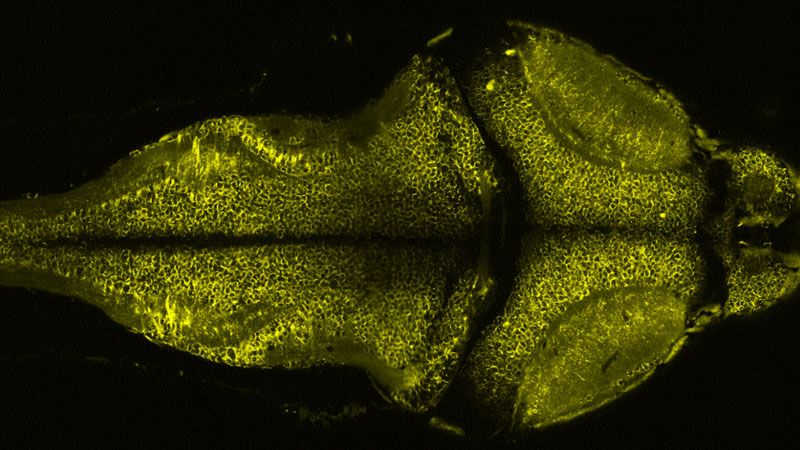
Genetically encoded voltage indicators change colour in real time when neurons transmit electrical information, offering unprecedented insight into neural activity.

The human brain follows a typical ageing trajectory, but diseased brains are further along, according to a paper in the September 24 Nature Neuroscience.
James Watson, PhD student at the University of Liverpool, explores how geography and inequality affect dementia care pathways and outcomes for older populations

Certain mutations in TREM2 strongly increase risk for late-onset Alzheimer’s. Could tweaking the function of this microglial receptor help people with the disease?

New blog from Anna Volkmer – An international collaboration: Spreading the word on speech and language therapy approaches to managing primary progressive aphasia.
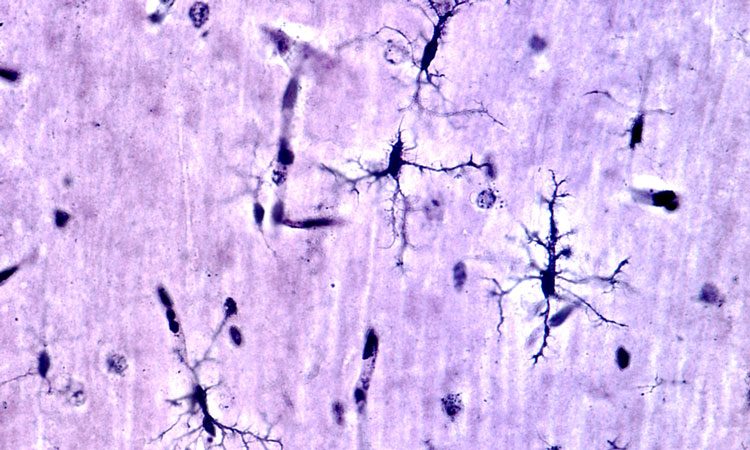
As microglia become more central to Alzheimer’s research, researchers are seeking better model systems to study their in vivo behavior – can chimeric mice provide a solution?

Physical activity not only benefits the heart and the body, it may also shield the brain from the damaging effects of Aβ says study published in JAMA Neurology (July 16)
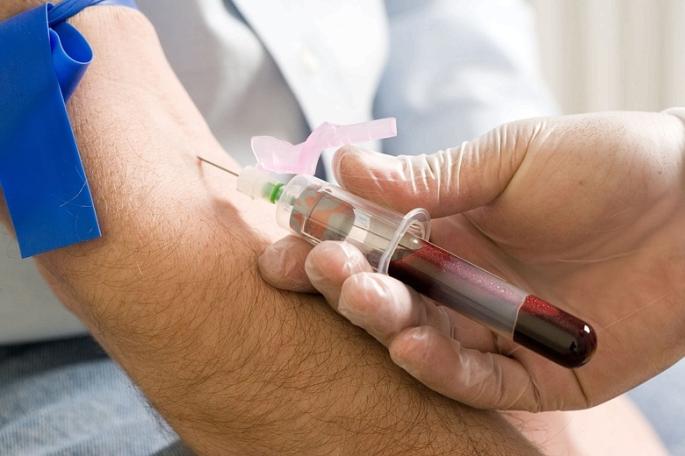
In today’s JAMA Neurology, researchers led by Oskar Hansson, Lund University, Sweden, report how a fully automated immunoassay for plasma Aβ performed when they put it through its paces.
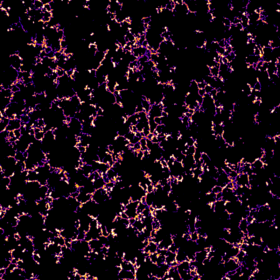
Around 140 scientists gathered in Rungstedgaard, north of Copenhagen, Denmark, May 5–9 for the biannual Brain Conference organised by the Federation of European Neuroscience Societies and the Lundbeck Foundation. This article from the Alz Forum shares news from the event.
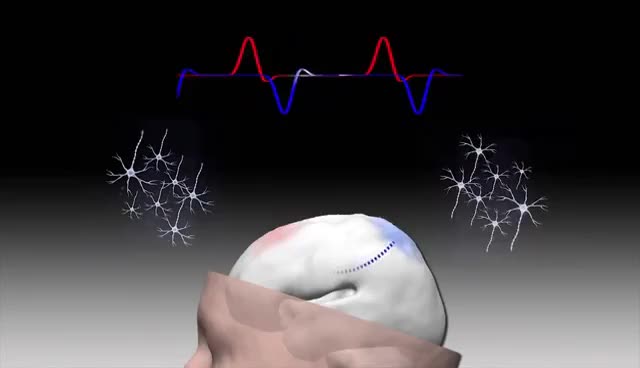
Groups of neurons fire in sync with each other across the brain when it performs a task; however, with age, they fall out of step. Can an electrical current have a restorative effect?

Blog by Bryan Ng from University of Oxford, for Dementia Platforms UK. Working with patient-specific stem cells comparing experimental outcomes he’s observing with symptoms recorded in the clinics.
 Nature Careers Blog
 James Watson
 Dementia Researcher