 Print This Post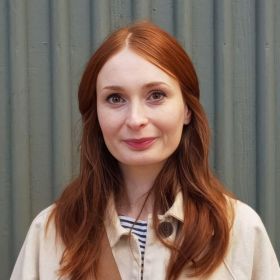
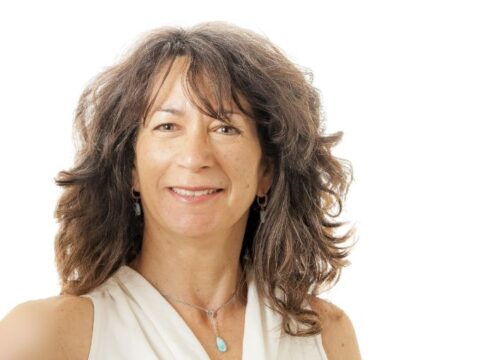
Dr Ingrid Ekström
Name:
Dr Ingrid Ekström
Job title:
Assistant Professor
Place of work / study:
Karolinska institutet
Area of Research:
I am a researcher at Karolinska Institutet studying olfactory dysfunction as an early marker of neurodegenerative disease. My work focuses on how smell loss develops over time and how it relates to dementia risk, cognitive decline, frailty, and other health outcomes in older adults.
How is your work funded:
My research is funded by the Swedish Research Council (Vetenskapsrådet, VR), Sweden’s main governmental research funding agency; the Swedish Foundation for Humanities and Social Sciences (Riksbankens Jubileumsfond, RJ), an independent non-profit research foundation; and the Swedish Dementia Foundation (Demensfonden), a non-profit organization supporting dementia research and care.
Tell us a little about yourself:
I am an Assistant Professor in Developmental Psychology at the Aging Research Center, Karolinska Institutet, Sweden. My research focuses on understanding how olfactory function reflects, influences, and changes alongside brain health across the lifespan. Because olfaction is closely linked to memory, emotion, social behavior, and brain development, it offers a unique window into both normal and pathological processes affecting the brain. My work combines psychology, epidemiology, and neuroscience and is guided by three overarching questions: (1) why olfactory function serves as a marker of brain health and disease, and how this knowledge can be used to improve early detection, risk stratification, and prevention efforts; (2) how and why olfactory function changes during key developmental and aging-related processes, including the impact of common diseases, lifestyle factors, and environmental exposures; and (3) what consequences smell loss may have for cognition, emotional well-being, social relationships, nutrition, quality of life, and long-term health outcomes.
Tell us a fun fact about yourself:
As a teenager, I was fascinated by a scene in an Agatha Christie novel where Hercule Poirot uses a smell to unlock a forgotten memory. Years later, I realized that I had made the link between smell and memory the focus of my research. I have a habit of enjoying things I’m not really good at. As a child I was probably the worst swimmer in my class and hopeless at both racket sports and handicrafts. Today, some of my favorite hobbies are swimming, tennis, and knitting. And I am still not especially good at any of them.
Why did you choose to work in dementia?
To be honest, largely by coincidence. As a student, I was interested in cognitive neuroscience and happened to take a course on aging and cognition, where I met my future supervisor. What began as a chance encounter eventually led me into dementia research.
What single piece of advise would you give to an early career researcher?
As someone who still considers herself relatively early in her career, my advice would be to be curious and talk to people. The most important ideas, collaborations, and opportunities in my career can be traced back to conversations I almost didn’t have. I would also encourage early career researchers to seek out people they genuinely enjoy working with and can learn from.
What book are you reading right now? Would you recommend it?
Right now, I’m reading Florian Illies’ book on Caspar David Friedrich, the German Romantic painter. Think of the famous painting with a man standing with his back to the viewer on a cliff, looking out over a sea of fog, that’s Friedrich. I would definitely recommend the book. Friedrich was a genius, of course, but for much of his life, and even long after his death, he seems to have been completely misunderstood. Goethe only reluctantly replied to his letters. A relatable tale?
Favourite film of all time?
Sound of Falling by Mascha Schilinski
Favourite ways to unplug and unwind?
Swimming is probably my favorite way to unwind, especially in the Swedish archipelago. If there is open water nearby, I’m usually happy.
What’s the best decision you ever made?
Every decision that ultimately led to my two children.
What’s the best vacation spot?
The Swedish archipelago in July and August, the Italian Riviera in June, and the Transylvanian countryside in September (I was born there and spent my childhood summers there, so I am heavily biased, of course.)
Do you collect anything?
Not intentionally. But a lady at the Swedish Migration Agency once asked if I collect citizenships.