

Dear Solutions Lab,
I had a paper rejected last week with reviewer comments that felt personal rather than scientific — one reviewer questioned whether I understood my own field. I know everyone says to ignore it but I can’t stop thinking about it. What worries me more is that I suggested the people who they should approach to review the paper… so the the reviewer may actually be something I thought was good and who I respect (or used to anyway).
How do other people actually move on from this kind of thing?

Hello,
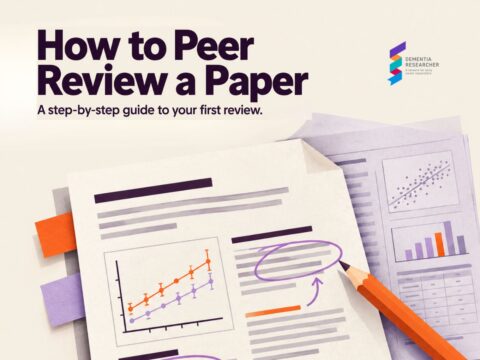
My honest answer is that peer review is the best system we currently have, but it is also fundamentally flawed. Reviewers are usually unpaid, overworked, and often reviewing out of obligation rather than enthusiasm. Because of that, papers are not always read as carefully or fairly as they should be. Some reviewers also seem to approach papers with a mindset of “reject unless I’m convinced otherwise”, rather than starting from a neutral position.
That said, if a review feels personalised, unfair, or as though the reviewer has not properly engaged with the work, I think it is worth highlighting those specific points and sending them back to the editor. We have had an experience where a reviewer clearly had not properly read the paper, and after we raised this with the editor, the decision was changed and we were given the opportunity to revise. Even when the same reviewer later still wanted to reject after we had addressed all their comments, the editor ultimately accepted the paper.
So my advice would be: try not to take it personally, even though that is easier said than done. A bad review often says more about the reviewer, the process, and the pressures in academia than it does about the quality of the work. But where a review crosses the line from critical to unfair or personal, it is absolutely reasonable to push back through the proper channels.

Hello,
Firstly, it is important to say, this is hard for everyone. Science careers are full of this sort of criticism and it doesn’t really get a lot easier. However, reviewers comments should focus on specifics of the paper content and how the paper can be improved, they should be constructive criticism. In your response (you should provide a response whether this has been rejected or not) you should include a point by point response to each comment from the reviewer. When the comment is personal, do not address it but label it as such. A good editor should review this and provide you with a reply. If they don’t, you may just feel better from having gone through the comments and thought about what was good, helpful feedback and what was not.
In terms of who the reviewer is, this is sort of rumination will only lead to stress. You do not know who the reviewer is. Reviewers can be selected from your suggestions or not and you will never know who it is. I understand that isn’t easy. I myself have spent much to much time trying to guess who the reviewer is. It doesn’t help. Let it go if you can. And good luck with the revision of your paper and its publication.




 Dr Yvonne Couch

 Beccy Owen
 Alzheimer's Association