Firstly, let me provide some background on how I ended up working in the field of research nursing, specifically in neurodegenerative disease research. I qualified as a Mental Health Nurse in 2000 and subsequently worked in a ward environment for 6 years until I found myself shifting my career focus of community based mental health nursing to researching Alzheimer Disease (AD), this very much felt like a natural progression for me. I was drawn to finding out about the how and the why aspects of AD and now 19 years later, I am still as invested, driven and thankful for the many research participants I have met over the years and for the researchers committed to discovering new interventions and treatments for better outcomes for our patients.
Before exploring the role of a research nurse in dementia trials, I feel it is important to look at what a research nurse does and the pivotal role they play within a research team.
Research nurses solely focus on the care of research participants, and can also be known as a Clinical Research Nurse, Study Nurse or Study Coordinator. Clinical Research Nurses care for a wide range of research participants across many healthcare settings including in hospital, community, and care homes. Research participants represent all ages across the lifespan and come from a wide spectrum of health, wellness and disease. The research nurse in any type of trial is integral to ensuring the trial is conducted in a safe and efficient manner and ultimately provides an evidence based pathway to improve patient care and treatment interventions.
A typical day for a research nurse could involve many activities such as collaborating closely with the principal investigator; pre-screening for study eligibility; obtaining informed consent; administration of study materials; follow up with participants; and maintaining accurate source documentation, yes it is a busy role and at times we are working on more than one study at any given time! The research nurse will also have other specific tasks to complete as per the protocol such as blood sampling and processing, administration of study medications and dealing with any unexpected changes such as adverse events.
I have been a research nurse for many years, which has primarily been as a research nurse in dementia clinical trials. I have worked across various study trial phases, with different interventions and administration methods and with many research participants from an early interventional stage to more advanced stages of dementia research, with each study raising hope and expectation that we could get closer to finding an effective treatment pathway or even a cure for dementia.
Over the years, I have been fortunate to be part of this crucial research, and whilst they may not have proven efficacy for use in the clinical domain yet, for each dementia study I have coordinated, we feel we were getting that one step closer to finding something that could provide better outcomes and improve quality of life for people with a lived experience of dementia.
Alongside the study activities associated with the research nurse role, as a research nurse working in dementia studies, I was required to be trained and certified to conduct complex cognitive and functional assessments with participants and their study partners. Over the years of working in multiple dementia clinical trials, I have been trained on the same assessments multiple times, on various phases of dementia studies with different sponsors, sometimes within months of each other! However, I do understand it is crucial to maintain rater reliability, consistency and competency to ensure that the study data gathered is robust and valid.
For many studies I have been delegated as a ‘blinded rater’ this meant that for a specific outcome measure I assessed with the participant and their study partner, I was not able to the know treatment allocation or other information such as medications or adverse events, as knowing any of these could influence my bias on the outcome measure, which in turn could skew any analysis or study results, so it was therefore imperative that I maintained my blinded rater status for the duration of any study. I still maintain a blinded rater role across our Network, and feel privileged to share this connection with the study participant and their partner as they navigate their dementia journey.
Over the years as a research nurse working on dementia clinical trials, I feel very fortunate to have established many meaningful connections with study participant’s and their partners. As I got to know each of them over time, it was clear what being part of this research meant to them, they found a sense of purpose and hope, often expressing that this intervention may or may not help them right now, but that they were contributing to the future of their family and the wider communities who experience living with dementia.
To conclude my experience of being a research nurse in dementia studies, I could not consider myself doing any other job. Like the many study participants and study partners I have met over time working in dementia research, I feel I also have my own sense of purpose to continue driving our research forward and to maintain that feeling of hope that, we will through research find effective treatments and interventions which will make a significant difference to improve the quality of life of people living with dementia.
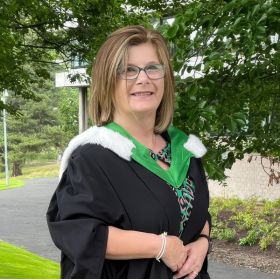
Jacqueline Kerr
Author
Jacqueline Kerr is the Network Manager for the Neuroprogressive and Dementia Network in Scotland. With a background in research management and public engagement, she is dedicated to supporting clinical trials and improving access to research across the country. Jacqueline works closely with clinicians, researchers, and the public to raise awareness of dementia studies and encourage participation.

 Dr Yvonne Couch
 Alzheimer's Association
 Beccy Owen
 Bernie McInally

 Dr Chloe Fawns-Ritchie