 Print This Post
It was late on a Friday afternoon last July, and I was at a farm park with my two young children. They were playing in a bus converted into a soft play (who knew such a thing existed!) and I was mindlessly refreshing my inbox on my phone like I’d done far too many times that month… When suddenly *the* email was there…
Amongst the chaos, noise and smells, with my hands shaking, I clicked the PDF attachment, which was a letter confirming that my NIHR funding application had been successful. I felt completely overwhelmed with an enormous sense of relief, pride and a good bit of disbelief. I discovered I was pregnant three months into my PhD. So, this was a milestone I had been working towards for my seven-year-olds entire existence. It was pretty perfect to be able to share the moment with him when the news arrived, getting covered in his excited kisses and cuddles. I was finally going to be a truly independent researcher.
But quickly, those feelings were followed by confusion. The award letter came with conditions, and I didn’t really understand what that meant. Was the funding secure? Had I misunderstood the decision? Was this a polite way of saying almost, rather than yes?
Over the next five months, there were several rounds of committee feedback to respond to, clarifications to make, and revisions required. Each time, members of the wider research team wished me good luck with the submission… But good luck with what, if the outcome was already positive?
Feeling unsure and alone
What struck me most during the months following the positive outcome letter was how little information there was online about this stage of the process. Like many early career researchers, I had read blogs, papers and presentations about how to write a successful application (and it paid off because along with the favourable outcome, the NIHR had asked if they could use the application in future training as an example of a well-written application!). However, much less is said about what happens after a positive funding decision when that decision is conditional.
At the time, I was juggling multiple roles: leading research on bereavement in care homes and co-ordinating collaborations through my role with ENRICH Scotland. I was used to complexity, but managing the committee feedback felt different. It was opaque yet procedural, and hard to interpret without prior experience.
During that time, I was worried that asking too many questions would reflect badly on me since I’m meant to be the captain steering the ship. I also worried that not responding quickly or confidently enough might put the award at risk. And I felt like I couldn’t truly take time off because what happens if an email lingers too long in my inbox? Will the NIHR think I’m not serious enough about a project that still has unanswered questions?
Learning that this is normal
The turning point came when I spoke to another Primary Investigator on an NIHR-funded clinical trial through my ENRICH Scotland role. There was a relaxed mention about the “million years” that has passed since their positive outcome and getting started, partly due to committee queries.
I took the opportunity to ask them more and what I learned was reassuring: They explained that conditional awards, committee feedback, and iterative clarification are entirely normal. For many NIHR programmes, a positive funding decision is the start of a structured negotiation process rather than the end of the journey. Committees want projects to be deliverable, proportionate, and robust. Their feedback is part of strengthening that, not undermining it.
Why I’m writing this
I’m sharing this experience because I suspect many others feel the same initial uncertainty. I think this might be particularly relevant to nurse researchers, allied health professionals, and those coming into research through applied or practice-based routes. The challenge isn’t individual capability. Instead, it’s that academic culture operates on conventions that aren’t intrinsic to many practice-based professions. Feeling uncertain is less a deficit and more a sign that we’re navigating a system that often seems like it wasn’t designed with our pathways in mind. My work through ENRICH Scotland has shown me how important transparency and peer support are, whether you’re a care home staff member taking part in research for the first time or a researcher leading a national study. The same principle applies to funding journeys.
Although my application was ultimately successful, the process challenged my assumptions about what “funding success” looks like and reminded me that it is often iterative, negotiated, and collaborative. Most of my exposure to successful funding applications comes from funding announcements on social media. They appear to be posted within hours of the outcome letter; Polished celebrations that suggest a clean, decisive win. They’re not entirely dissimilar to PhD viva posts: smiling photos, prosecco with the supervisors and examiners, always the “minor corrections,” relief distilled into a single triumphant moment. But these snapshots flatten a much more complicated reality. Behind many of these announcements sits a long trail of revisions, uncertainty, negotiation, and near misses that rarely make it into the caption.
If you receive a positive decision with conditions and you’re confused about what the feedback means, you’re not alone. And if you’re an early career researcher wondering whether everyone else understands this better than you, they almost definitely don’t.
I hope this blog helps to make that hidden part of the process a little more visible, and a little less daunting, for those coming next.

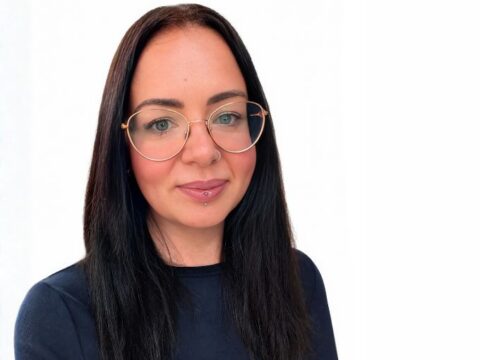
Dr Maria Drummond
Author
Dr Maria Drummond is Team Leader at ENRICH Scotland, based at the University of Glasgow. A registered nurse and district nurse by background, Maria spent ten years working in the Glasgow City District Nursing service before moving into research in 2021. She also has five years of experience working in older adult care homes, including with people living with dementia. Her research focuses on care homes and is motivated by the priorities of staff, residents and people with lived experience. Funded through the NIHR Research Programme for Social Care, Maria is passionate about improving access to research involvement, evidence based practice and better outcomes for people living and working in care home settings.
 Dr Yvonne Couch
 NIHR
NIHR

 Dr Kamar Ameen-Ali