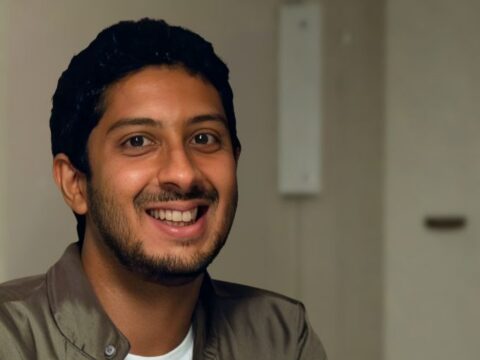
Catch up on last week’s Cognitive Assessment discussion livestream discussion with panellists Ivan Koychev (University of Oxford, UK), Lisa Marzano (Middlesex University, UK), John Torous (Harvard University, USA), Andrea Cipriani (University of Oxford, UK) and Michael Ostacher (Stanford University, USA).
Digital technologies are advancing rapidly and creating new opportunities to address some of the challenges faced by clinicians, researchers and people affected by dementia. Smartphones, smartwatches, wearable sensors and smart-home systems can gather information continuously and unobtrusively, potentially offering a richer picture of an individual’s cognition and everyday functioning than assessments conducted during occasional clinical appointments.
These technologies could support the assessment and monitoring of people living with dementia, those experiencing early or prodromal symptoms, and individuals who may be at increased risk of developing cognitive impairment. Digital tools may also make it possible to identify changes earlier, monitor symptoms remotely and collect information about behaviour and functioning in real-world settings.
However, introducing digital technology into dementia research and clinical practice also raises important questions. How reliable and clinically meaningful are the data collected? Can digital assessments produce consistent results across different devices and populations? How should researchers manage privacy, consent and data security? There are also concerns about accessibility, particularly for people who have limited experience of digital technology or who may not have access to suitable devices and internet services.
During this livestream, the panel discussed the clinical review:
Chinner A, Blane J, Lancaster C, et al. Digital technologies for the assessment of cognition: a clinical review. Evidence-Based Mental Health. 2018;21:67–71. Read the paper.
Using the review as a starting point, the panellists considered the technologies available for assessing cognition, their possible applications and the evidence needed before they can become a routine part of research or clinical care. They also explored the practical and ethical challenges involved in collecting sensitive information through everyday devices.
Watch the recording to hear perspectives from experts based at Oxford, Middlesex, Harvard and Stanford, and to consider how digital assessment could contribute to the future of dementia research, diagnosis and care.

 Dr Yvonne Couch
 Dr Becky Carlyle