
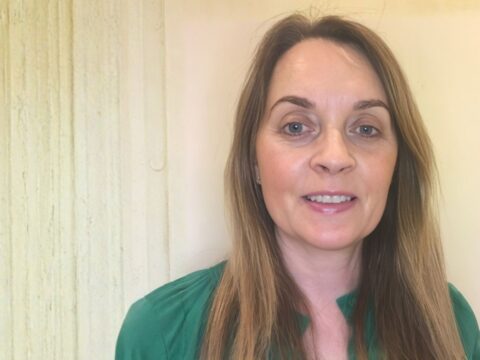
Dr Elizabeth Yardley, a social sciences professor with over 20 years’ experience supporting doctoral researchers. Many PhD students struggle with qualitative research not because they’re doing it wrong, but because they’re using the wrong standards to judge it.
If your qualitative data analysis feels messy, vague, or like you’re just guessing, this video is for you.
Most PhD researchers lack clear criteria for judging the quality of their research. In this video, Elizabeth looks at how to evaluate qualitative data analysis in a much more structured and defensible way.
Instead of asking “Is this the correct theme?”, we explore a far more useful question: “Is this a credible, thoughtful, well-supported interpretation?”
If you’re in the middle or later stages of your PhD and your analysis feels harder than it should be, this will help you understand why that happens and what to do next. You’ll come away with a clearer framework for evaluating your themes, interpretations, and overall analysis – without relying purely on vague feelings or constant self-doubt.
What we’ll cover:
- Why qualitative analysis often feels uncertain
- The mistake many PhD researchers make when judging their themes
- 5 criteria to evaluate the quality of your analysis
- How to move beyond descriptive summary into interpretation
- Why disagreement can actually strengthen your analysis
- Questions to ask yourself when your themes feel weak or unclear
If you liked this video and fancy making PhD life slightly less chaotic, check out https://www.thedegreedoctor.com/


 LSE Impact Blog


 National Centre for Research Methods