
How to write a literature review
 Nature Careers Blog
Nature speaks to old hands and first timers about the work they did to make their reviews sing, essential reading before you start a lit review.

Nature speaks to old hands and first timers about the work they did to make their reviews sing, essential reading before you start a lit review.

Closed labs and rescinded job offers have snatched away opportunities. How can science bounce back? Julie Gould finds out for Nature Careers.

Junior researchers need to engage with policymakers, institutions and funders to argue against planned budget cut-backs, warn Brian Cahill and Marco Masia
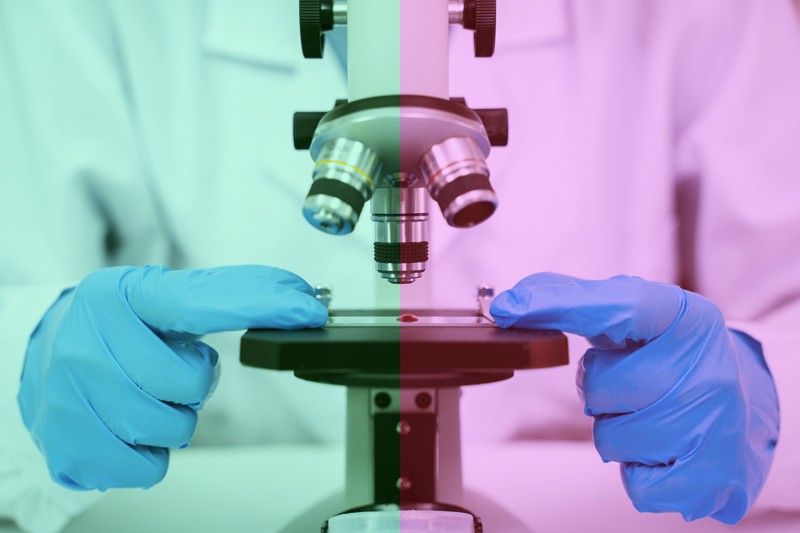
Lab-equipment manufacturers should consider left-handed researchers when they design products, says Parastoo Mashouri in this blog from Nature Careers

From obscure acronyms to unnecessary jargon, research papers are increasingly impenetrable, even for scientists, according to a Dalmeet Singh Chawla

If you can, escape the plate-spinning frenzy of online meetings by going on holiday, ideally for two weeks, says John Tregoning in this blog from Nature Careers

Jeff C. Clements reckons with a recent set of reviewer comments that used ‘being critical’ as a justification to be mean, in this article from Nature Careers.

Missing documentation and obsolete environments force participants in the Ten Years Reproducibility Challenge to get creative – take a look at this article by
There are ways to shut up that insidious inner critic and impostor syndrome, says Paris Grey in this post shared from the Nature Careers Blog.

Science Europe recommends assessing societal impact and contributions to knowledge and policy when awarding grants and promotions.

Survey finds that standard metrics of success can’t completely explain why some candidates get academic job offers and others don’t.

If your lab is still shuttered and work is a struggle, technology researcher Sun Sun Lim offers advice on how to switch off