I’ve always known I wanted to be a nurse. One of my favourite childhood photos shows me at around six years old, proudly dressed in a nurse’s uniform. There was never any doubt — I was never going to do anything else.
Just before my 18th birthday, I began my nurse training, buzzing with excitement to leave home and start this new chapter. At the time, I had little understanding of where this journey would take me. Clinical specialisations, research, and the broader complexities of healthcare felt distant and abstract.
I trained in general nursing, and one early moment stands out. On a Nightingale-style ward, I sat with a distressed elderly lady to comfort her. Instead of encouragement, I was sharply told off by the senior charge nurse and sent away to fold black bags at the top of the ward. The rigid routines — perfectly made hospital corners, strictly positioned patients — left little room for compassion.
It felt like the system prioritised procedures over people. I have to say this way of nursing is very outdated, after all it was over 40 years ago!
That experience was a turning point. I realised I wanted to work in a setting where care was truly person-centred. That led me to retrain in mental health nursing, and I spent much of my career supporting people living with dementia.
Throughout my nursing career, I’ve always valued how research underpins good practice. Evidence-based approaches have shaped the tools we use, medicines we take, how illness and injury are diagnosed and the way we care. Many of the assessments we rely on today have been refined over decades through research, standing the test of time.
Dementia research isn’t just about clinical trials — it includes vital social care studies that aim to improve the lives of people living with dementia, and their families and carers.
Early in my career, I had the opportunity to contribute to a dementia research project with Dr Peter Connelly and Dr Emma Law. My role in conducting cognitive testing was brief, but it gave me a valuable glimpse into the research world and sparked a lasting interest.
After retiring from my SCN role in 2021, I was fortunate to take on a part-time role as a Clinical Studies Officer (CSO) with ENRICH. It felt like the right next step — a meaningful challenge and my first formal role in research.
ENRICH is part of the Neuroprogressive and Dementia Network, funded by the Chief Scientist Office. While other CSOs in the Network primarily support a broad range of clinical trials involving people living in their own homes, our ENRICH team focuses specifically on care homes. We support a variety of qualitative and quantitative studies designed to better understand and improve care home environments. Although we’re not yet involved in clinical trials, we view our progress as a significant achievement — especially given the unique challenges and complexities of engaging with care home communities.
Involving care homes in research isn’t easy. I’ve shared more about that in a previous blog: Why Care Home Communities Deserve a Place in Research. But the challenges are not insurmountable, and the rewards are worth it.
I used to think research was just for academics.
I’m not an academic — and to be honest, academia always felt a bit intimidating. But once you look past the jargon and processes (and yes, there’s still quite a lot of jargon!), you realise research is really just about improving outcomes and making people’s lives better.
I’m not a numbers person either, so I can find data a little daunting. Luckily, there’s always someone on our team who can offer a helpful, no-nonsense summary! We support each other — and that’s what makes our small team work.
Looking to the future, clinical trials are a goal we’re working towards. I’m a passionate believer in inclusive research — everyone should have the opportunity to take part, no matter where they live. Creating space for care home communities in research is something I’m proud to be part of.
So if you are thinking about getting involved in research talk to people, those who are already involved in research, the Neuroprogressive and Dementia Network and ENRICH would be great places to start!
For further information contact tay.enrichscotland@nhs.scot
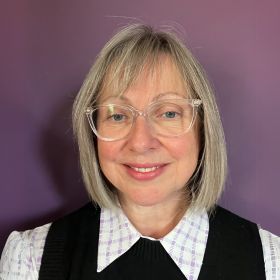
Lesley Cousland
Author
Lesley Cousland is a Clinical Studies Officer with the Neuroprogressive and Dementia Network and ENRICH Scotland. A retired mental health nurse with over 40 years’ experience, she now supports research in care homes, ensuring residents and staff help shape studies that matter to them.
 Dr Yvonne Couch
 LSE Impact Blog

 Nature Careers Blog

 Alzheimer's Association