Patient and public involvement in lab-based research
 Alzheimer's Society
New guidance providing practical advise to support better Patient and Public Involvement in laboratory based / basic science dementia research.
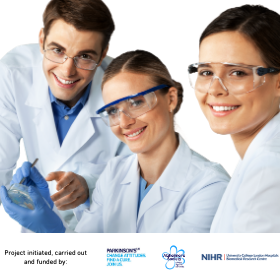
New guidance providing practical advise to support better Patient and Public Involvement in laboratory based / basic science dementia research.
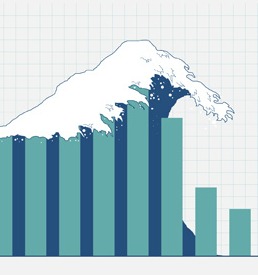
Catch-up on what you missed in the recent ‘Using health and social care datasets in research – opportunities, assets, and examples’, from NIHR, HDR UK, MRC

Nature speaks to old hands and first timers about the work they did to make their reviews sing, essential reading before you start a lit review.

Dr Emily Oliver. looks back on what she has been doing since completing her Clinical Academic Doctoral Programme 12 months ago, and what opportunities exist after you finish.

PhD candidates need to be able to communicate their research to diverse audiences and be prepared for careers outside of Higher Education.
PhD Students who are at the very first stages of their expedition discuss how they’re finding a way to settle in, and sharing what they have learned so far.

Closed labs and rescinded job offers have snatched away opportunities. How can science bounce back? Julie Gould finds out for Nature Careers.

Dr Katy Stubbs highlights how and why Lab-based researchers and can engage the public in their work, and how both will benefit.
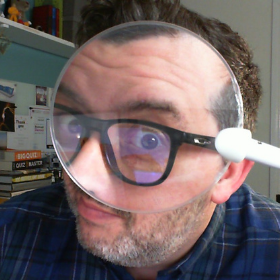
Today, Morgan Daniel takes (or took, depending on when you’re reading this) over the Dementia Researcher Twitter account. Sharing her day to inspire others thinking of following this path, and taking your questions. Could that also be the right path for you?

Writing a thesis can feel overwhelming. Hugh Kearns and Maria Gardiner discuss reasons why PhD students avoid and how to counter them.
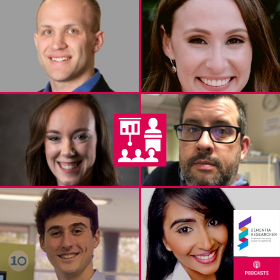
Adam Smith is joined by Lindsay Welikovitch, Courtney Kloske, Vee Balendra, Wade Self, João Pedro Ferrari Souza with highlights from AAIC Neuroscience Next

Regular contributor Morgan Daniel shares the latest update discussing life on campus, and sharing how the new system of remote and face-to-face teaching, may just be the perfect combination – preparing for the first set of exams.
 NIHR
 Nature Careers Blog
 Dr Emily Jones
 LSE Impact Blog
 Dementia Researcher
 Adam Smith
 Morgan Daniel