3 lessons from industry that I’m taking back to academia
 Dementia Researcher
After 3 years in pharma, a researcher returns to academia, finding industry experience invaluable despite early warnings it might hinder future opportunities

After 3 years in pharma, a researcher returns to academia, finding industry experience invaluable despite early warnings it might hinder future opportunities

If you wish to contribute to the body of knowledge in medical sciences then you are a right candidate for a career in Medical Research – but resilience is a key requirement!

This post written by Neil A. Lewis, Jr. from Cornell University for Science Magazine provides five tips to guide the way when writing your next funding application.

New blog from Naomi Gallant – having just gone through the Viva, Naomi shares some snippets from her own experience which we hope may help you along the way. Adding to this weeks Viva theme.

Alexandra Olaya-Castro & Geraint Rees discuss the challenges and turning points as they maintain the balance between success in academia and personal life.

There’s a LOT of books out there on how to do a thesis/dissertation. In this article from the Thesis Whisperer website, they have ploughed through a couple of new books on the subject, and provided a compilation of reviews. Would a new guide help inspire and organise your time?
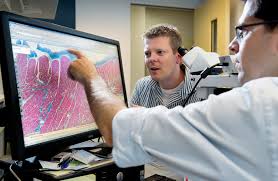
Dr Emma Dorris, University College Dublin delivers a session on ‘Patient and Public Involvement in preclinical and basic life sciences research’.
Do you have new PhD students starting this Autumn? Or are you starting one yourself? Check out The Life Scientists’ Guide for New PhD Students. It’s crammed with advice that our fellow scientists have shared with us, as well as a few tips from our own experience.

This post from the LSE Impact blog discusses the use of mobile phone applications as a research method in the social sciences. Reflecting on their own use of apps to study fear of crime, and providing four key points to consider when seeking to use apps in your projects.

Science communication can be a welcome destination for some PhD students, but my road there was not straightforward. It required support from a life coach and international organisations, explains Evguenia Alechine in this blog for Nature Careers.

Conference presentations often follow a simple narrative format. Pat Thomson discusses the benefits of adopting a less linear narrative structure and how doing so can create space for discussing the key messages in a research presentation.

Many academics use the summer holidays as a time to relax, unwind and finally get that writing project done. However, is setting aside large chunks of time over the holidays the best way to approach academic writing?
 Adam Smith
 Dr Naomi Gallant
 Thesis Whisperer
 LSE Impact Blog