AI spots cell structures that humans can’t
 Nature Careers Blog
Models can predict the location of cell structures from light-microscopy images alone, without the need for harmful fluorescence labelling.
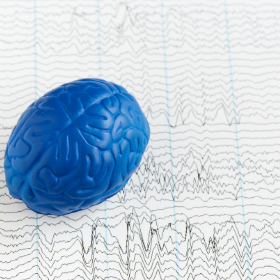
Models can predict the location of cell structures from light-microscopy images alone, without the need for harmful fluorescence labelling.
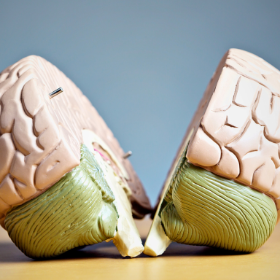
Understanding cognitive control can help your academic and working life, says David Badre. in this blog shared from Nature Careers.

Writing a thesis can feel overwhelming, we discuss the common reasons why PhD students tend to avoid writing and counter them.

Dom Byrne write in Nature Careers about how scientists at one research institute are heading back to school to inspire the next generation of researchers.

How the Evidence-Based Research paradigm promotes more ethical and innovative research – and stops limited research funding being wasted

Here’s how to build your professional support team when you can’t meet others in person. From Zachary Turnbull & Ruth Gotian for Nature Careers.

Nature speaks to old hands and first timers about the work they did to make their reviews sing, essential reading before you start a lit review.

PhD candidates need to be able to communicate their research to diverse audiences and be prepared for careers outside of Higher Education.

Closed labs and rescinded job offers have snatched away opportunities. How can science bounce back? Julie Gould finds out for Nature Careers.

Writing a thesis can feel overwhelming. Hugh Kearns and Maria Gardiner discuss reasons why PhD students avoid and how to counter them.
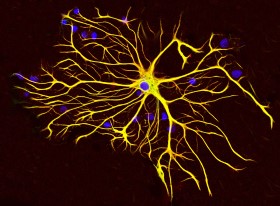
Once again, tau creates havoc—this time by hijacking astrocytes. According to a report in Nature from Nicolas Toni at the University of Lausanne
From obscure acronyms to unnecessary jargon, research papers are increasingly impenetrable, even for scientists, according to a Dalmeet Singh Chawla
 LSE Impact Blog
 Dementia Researcher
 Alz Forum