Olivia read a paper every day for 899 days.
 Dementia Researcher
Olivia Rissland says reading a different paper every day has made her a better scientist in this article shared from the Nature Index.

Olivia Rissland says reading a different paper every day has made her a better scientist in this article shared from the Nature Index.

Jeff C. Clements reckons with a recent set of reviewer comments that used ‘being critical’ as a justification to be mean, in this article from Nature Careers.
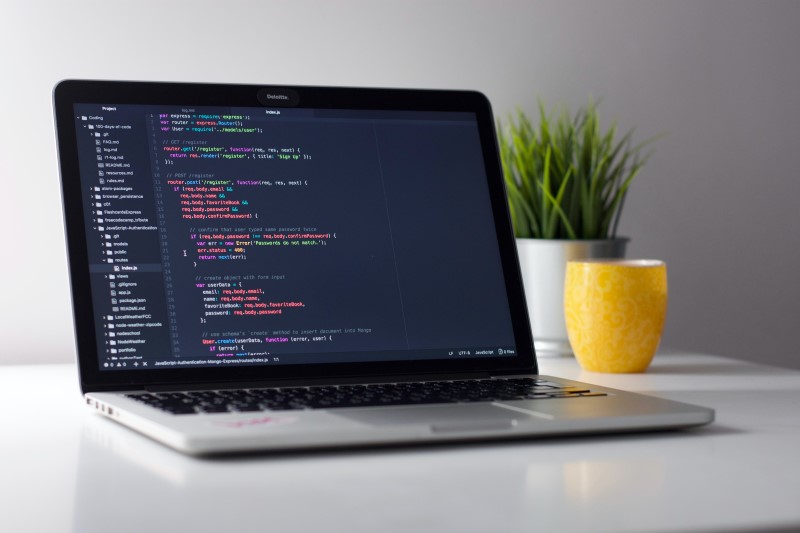
Missing documentation and obsolete environments force participants in the Ten Years Reproducibility Challenge to get creative – take a look at this article by

Developing an online presence can be an effective way to communicate research. However, simply sharing your output on social media is not enough.
Science Europe recommends assessing societal impact and contributions to knowledge and policy when awarding grants and promotions.
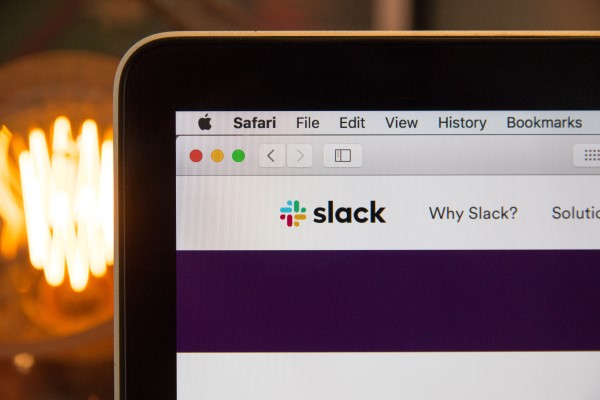
What project-management software can do for scientists, and help you continue to see the big picture an the detail. By Anna Nowogrodzki for Nature Careers
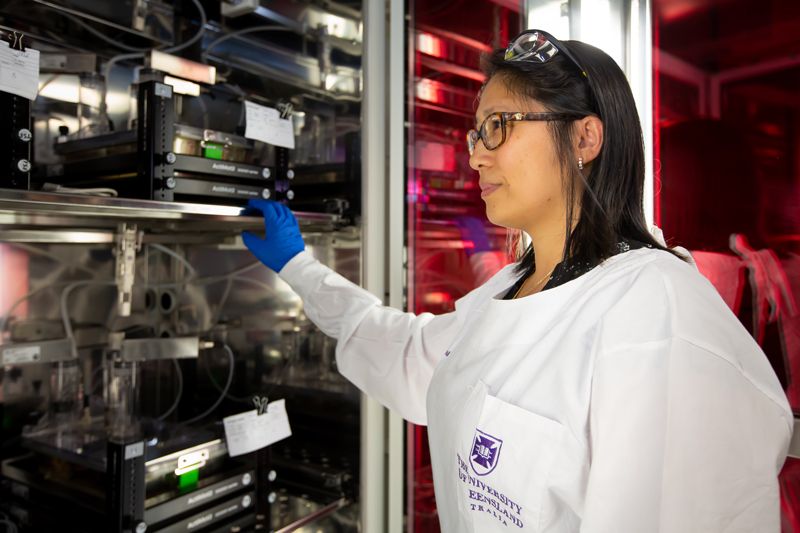
Staying at home is not an option for scientists working on potential vaccines or caring for research animals. Sso what’s that like?
At the virtual AAT-AD/PD Focus meeting, clinicians and funders involved in the DIAN-TU Trial discuss results from the first DIAN-TU treatment trial

Chris Smith shares five practical strategies to help academics manage distractions and stay focused on writing during uncertain and disrupted times.
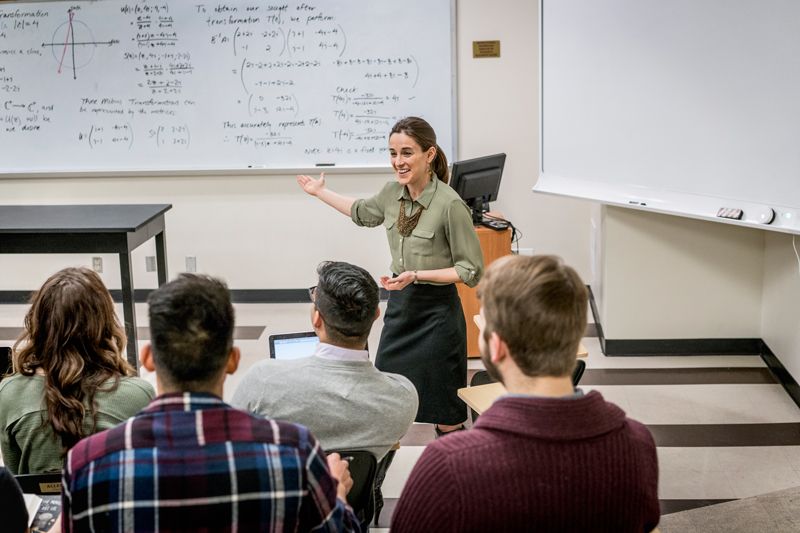
Researchers who present themselves as curious, fallible humans might be perceived as more authentic in this post shared from Nature Careers.

Researchers share personal stories behind their science at Berlin Science Week, exploring how storytelling changes the way they communicate their work.
What makes academic work interesting? Manuel Goyanes explores five key traits that help papers stand out, inspire readers and influence the field.
 Nature Careers Blog
 LSE Impact Blog
 Alz Forum