Eight career tips from Nobel Laureates
 Nature Careers Blog
Stefano Sandrone’s Nobel Life features interviews with 24 prize winners on everything from handling rejection to seizing the moment. Shared from Nature Careers
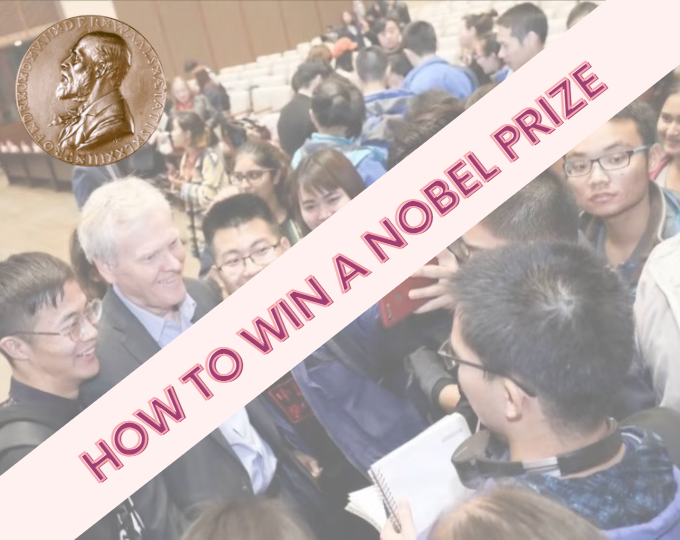
Stefano Sandrone’s Nobel Life features interviews with 24 prize winners on everything from handling rejection to seizing the moment. Shared from Nature Careers
New study suggests ways to level the playing field between white and minority-ethnic science students. Shared from Nature Careers Blog.

Effective sharing of experimental methods is crucial to ensuring that others can repeat results – tools to help. Shared from Nature Careers.

Kelsey Inouye’s job search gave her panic attacks and dented her self-esteem. But she learnt to take rejection in her stride – shared from Nature Careers

If clearance of amyloid would be “reasonably likely” to bestow a cognitive benefit – setting the bar rather blow there other antibodies

What happens when research goes wrong? How do researchers manage, or fail to manage, & can we learn from ‘failures’? This blog explains

Psychologist Ann-Marie Creaven regularly discusses her research on Ireland’s most listened-to station. Shared from Nature Careers

Helpful guidance from Cochrane on how to correctly choose images to reflect the information and evidence from your research.

What ethics training or publishing training have you received? This article shared from the LSE Impact blog discusses new mandatory training developed in India

Maintaining outdated PCs can be a matter of necessity — and a labour of love. Tech feature from Nature Careers by Anna Nowogrodzki

Journal editors share their advice on how to structure a paper, write a cover letter – and deal with awkward feedback from reviewers

Webinar from Nature, 3 speakers discuss how they learnt how to code, sharing advice and personal experiences, before answering questions from Nature’s readers
 Alz Forum
 LSE Impact Blog
 Cochrane
 Dementia Researcher