Do women academics need to work 2.4 times harder to succeed?
 LSE Impact Blog
Ulf Sandström revisits the famous 2.4 times gender bias claim in academic peer review, showing how field differences change the result and lessons for policy.
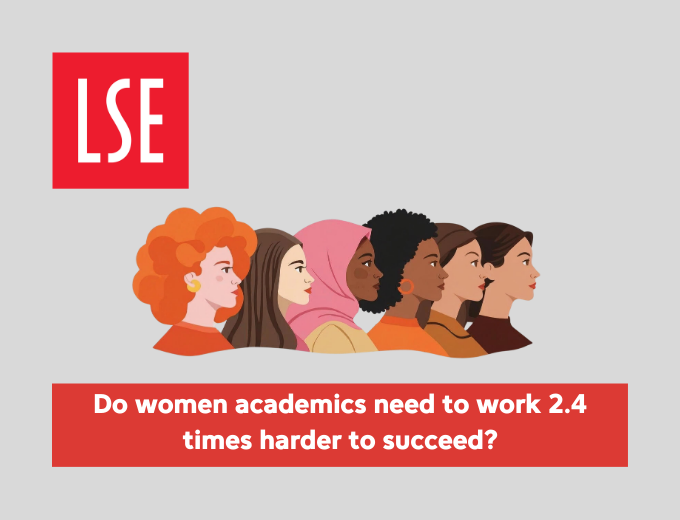
Ulf Sandström revisits the famous 2.4 times gender bias claim in academic peer review, showing how field differences change the result and lessons for policy.
Nature Off Limits explores grief in academia, as researchers share loss, institutional responses and why compassion and perspective matter at work and beyond.
Predatory journals and conferences target researchers. Aletheia Probe helps scientists check credibility, combining data sources to guide publishing choices.
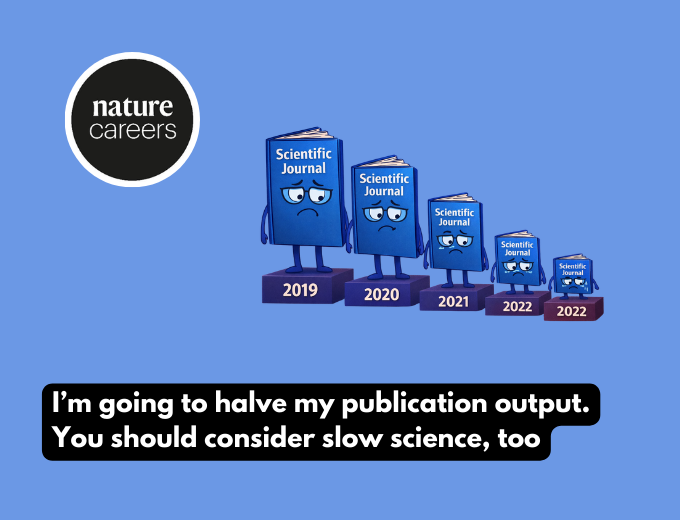
If we don’t slow down, the research enterprise is going to crash, argues Adrian Barnett in this post shared from Nature Careers
Why the blank page feels so hard for scientists, and three practical ways graduate students can start writing, build habits, and keep long projects moving.
If you’ve hatched a New Year plan to move abroad, improve your presentations or chase happiness as a 20-something researcher, these books will help
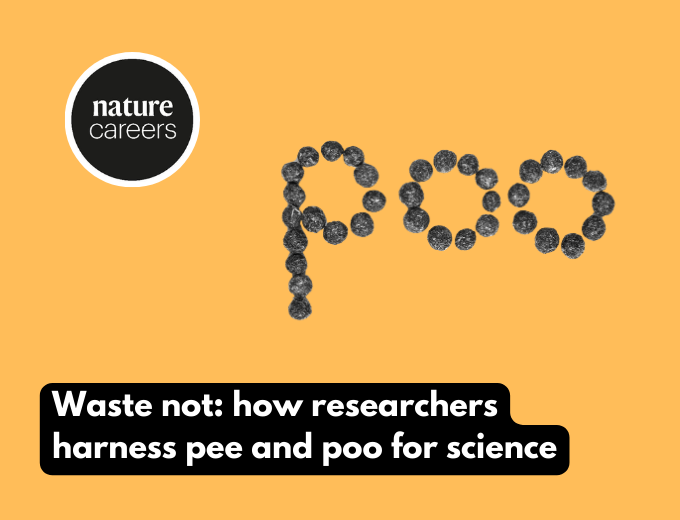
It might seem gross, but these materials are treasure troves for research. Hannah Docter-Loeb writes for Nature Careers Blog
Nature Careers – Grappling with difficulties in your career? Try asking an AI-powered advisory panel of experts, suggests Carsten Lund Pedersen.
A young academic in China worries that the grant-application lottery is wasted effort – new post shared from the Nature Careers blog

Brazil, Australia & Italy have the highest satisfaction scores in Nature’s global 2025 PhD survey, but are they really the best places to do a doctorate?
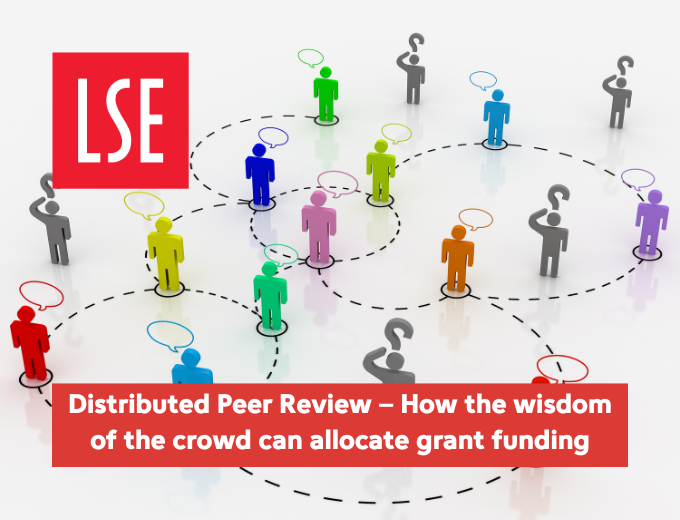
Distributed Peer Review engages applicants as reviewers, speeding funding decisions, improving fairness, and offering rich feedback, as shown in new research.
Nature’s survey of PhD candidates reveals hard-won wisdom on choosing supervisors, managing mental health and surviving academic culture.
 Nature Careers Blog