
Lived Experience Survey Design
 National Centre for Research Methods
Learn how to design ethical, accessible surveys with people with lived experience, from co-production and consent to sensitive questions, testing and support.
Learn how to design ethical, accessible surveys with people with lived experience, from co-production and consent to sensitive questions, testing and support.
Leaving the lab? 7 tips to organise samples, secure data, share knowledge and make your move smoother for everyone. Shared from Nature Careers

Struggling to stay focused in the lab? Attention researchers offer some advice in this article shared from the Nature Careers Blog.
From Nature Careers – A postdoc researcher trying to move into an industry role wants help gaining traction and making it past the first interview stage.
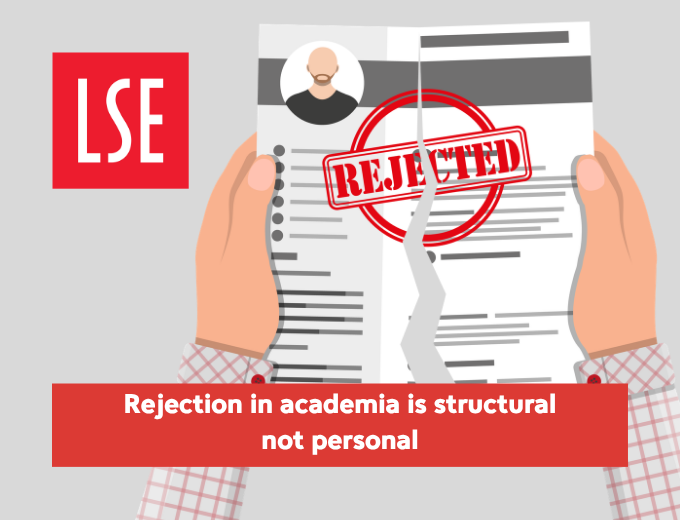
Academic rejection often reflects scarcity, chance and structural pressures—not personal failure. It’s time to change how academia talks about it.
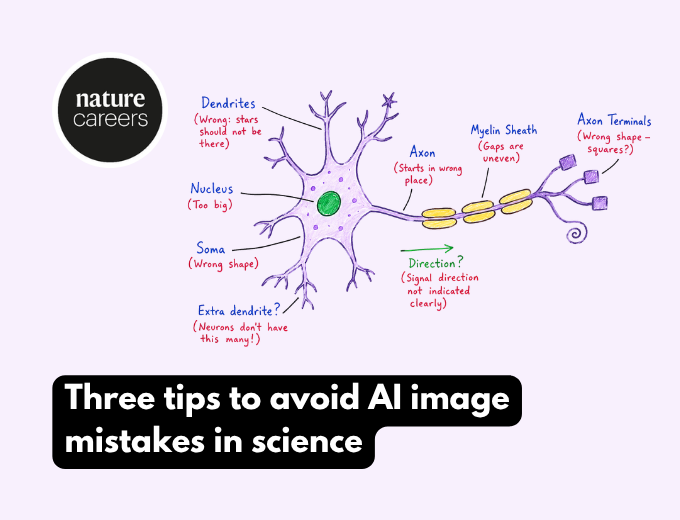
AI tools can be useful for brainstorming and creating graphics, but they can introduce errors. If you’re going to use them, here’s how to avoid problems.
In clinical trials, there are many times (and ways) a therapeutic can come up short. Tammy Worth writes for the Nature Careers blog.
Frances Brodsky shows how fiction writing can sharpen scientific writing, using mystery novels to build narrative, focus and perseverance.
Science sleuth Lonni Besançon realizes that he has sometimes misunderstood what the media want from him and his researcher colleagues.
Why do scientists avoid the work that matters most A Nature Careers podcast explores procrastination fear identity and life choices in research

From Nature Careers – Indefinite data retention is neither financially nor practically possible, but there are ways to give your data maximal long-term value.
Seven papers in a year sounds like success. This researcher explains why quiet years without publications still matter and how invisible progress shapes careers
 Dementia Researcher
 Nature Careers Blog