
Could Tau PET Replace Amyloid Biomarkers for AD?
A large, cross-sectional study finds that RO-948 PET discriminates AD dementia from other disorders more accurately than do CSF biomarkers or MRI

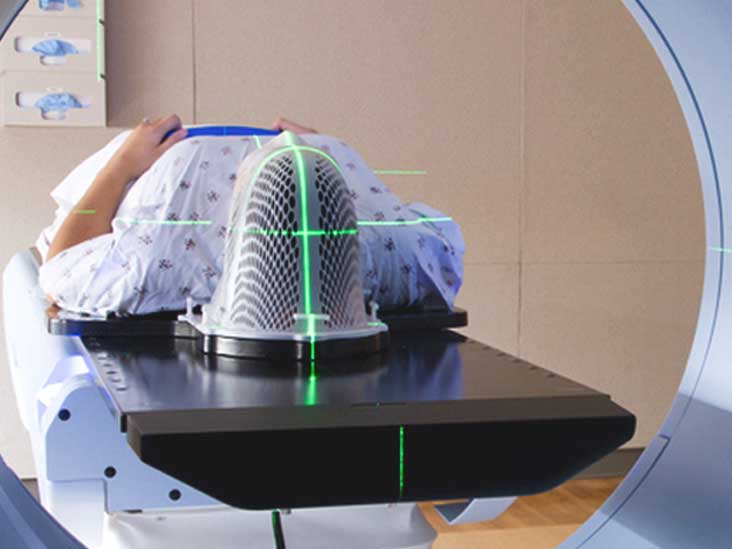
A large, cross-sectional study finds that RO-948 PET discriminates AD dementia from other disorders more accurately than do CSF biomarkers or MRI

Genome-wide association studies have uncovered risk variants for neurologic diseases, but in which cells are these disease genes doing their dirty work?

Many people with Lewy body diseases (LBDs) ultimately develop dementia, and many have Aβ plaques & tau. Do they have two diseases at the same time?

At the virtual AAT-AD/PD Focus meeting, clinicians and funders involved in the DIAN-TU Trial discuss results from the first DIAN-TU treatment trial

The UK Dementia Research Institute at Imperial College is repurposing its labs to help deliver vital COVID-19 testing using robotic rtPCR
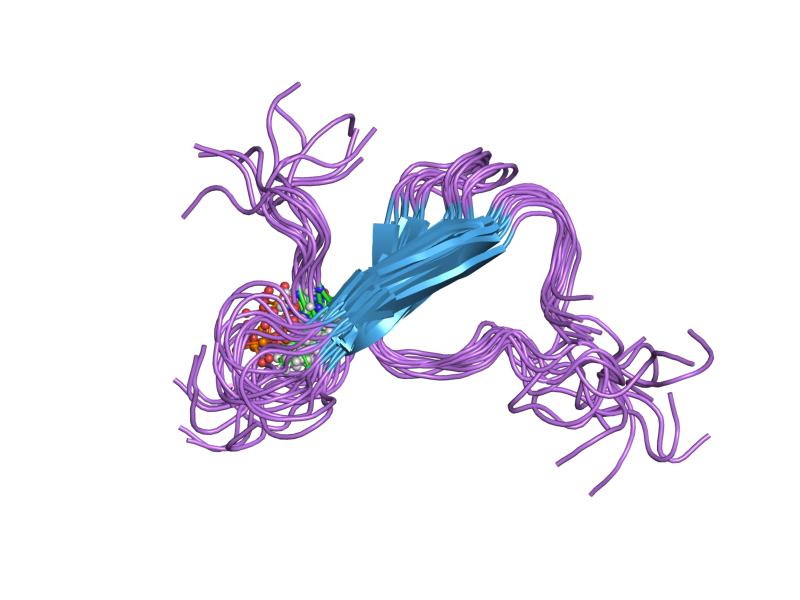
Tau2020 united 650 researchers, marking a key moment in tauopathy research with breakthroughs from progression staging to new ligands and tau spread insights.
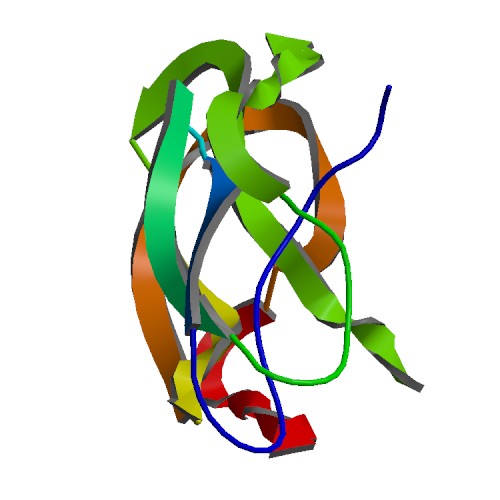
The notorious amyloid precursor protein, central to Alzheimer’s disease pathogenesis, sports a new look on Alzforum’s Mutations database – open access
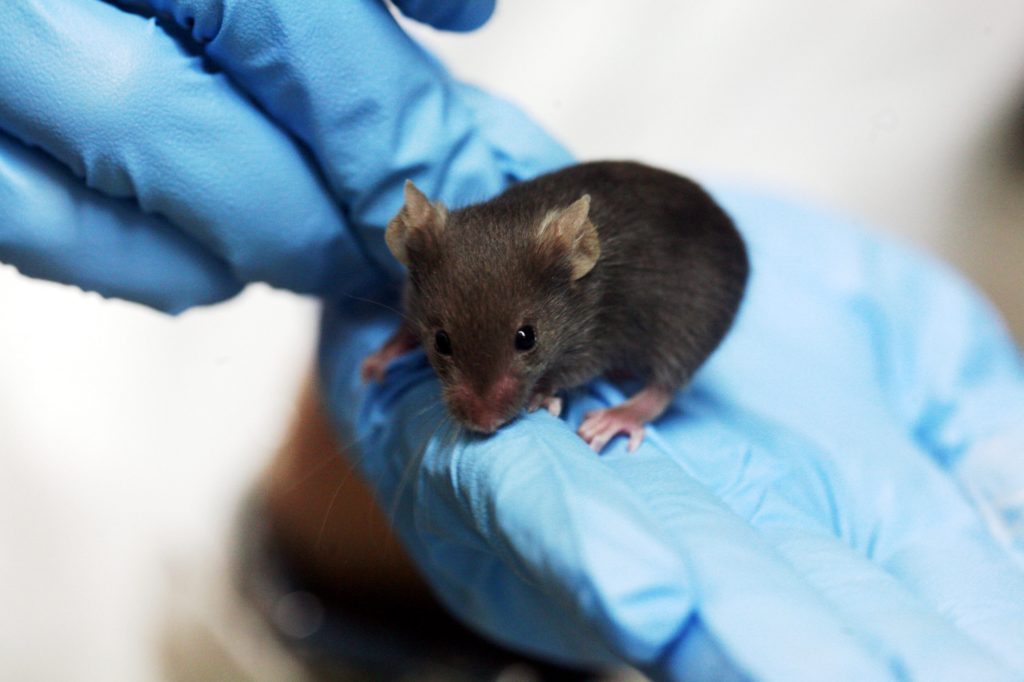
Human and mouse brains respond differently to amyloid. A new study reveals why transgenic mice may fall short in modelling Alzheimer’s disease.

Aducanumab, funding boosts, and early progress in trials have renewed hope in Alzheimer’s research. Could this be the turning point?

Though Aβ-targeted therapies hogged the limelight at this year’s CTAD Conference a large handful of smaller studies had findings to report, as well.
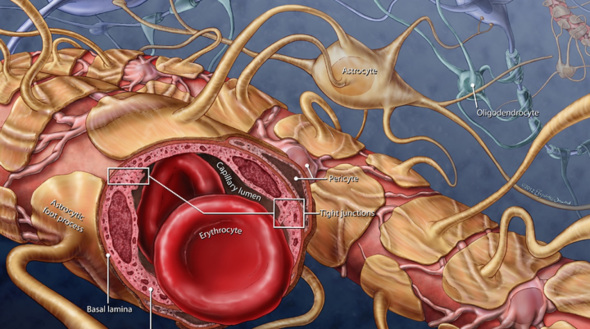
Ageing weakens the blood-brain barrier, triggering TGFβ signalling, hyperexcitation, and memory loss; in mice, a TGFβ blocker prevents these effects.
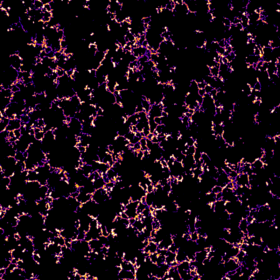
Human brain biopsies reveal 14 types of microglia, from calm to inflammatory. Their states shift with age, disease, and brain region, upsetting cellular balance