Podcast – Language & Communication In The Dementias, Sydney
Adam Smith talks with Luisa Krein and Cathy Taylor Rubin in Sydney about language and communication in dementia, including PPA and support for carers.
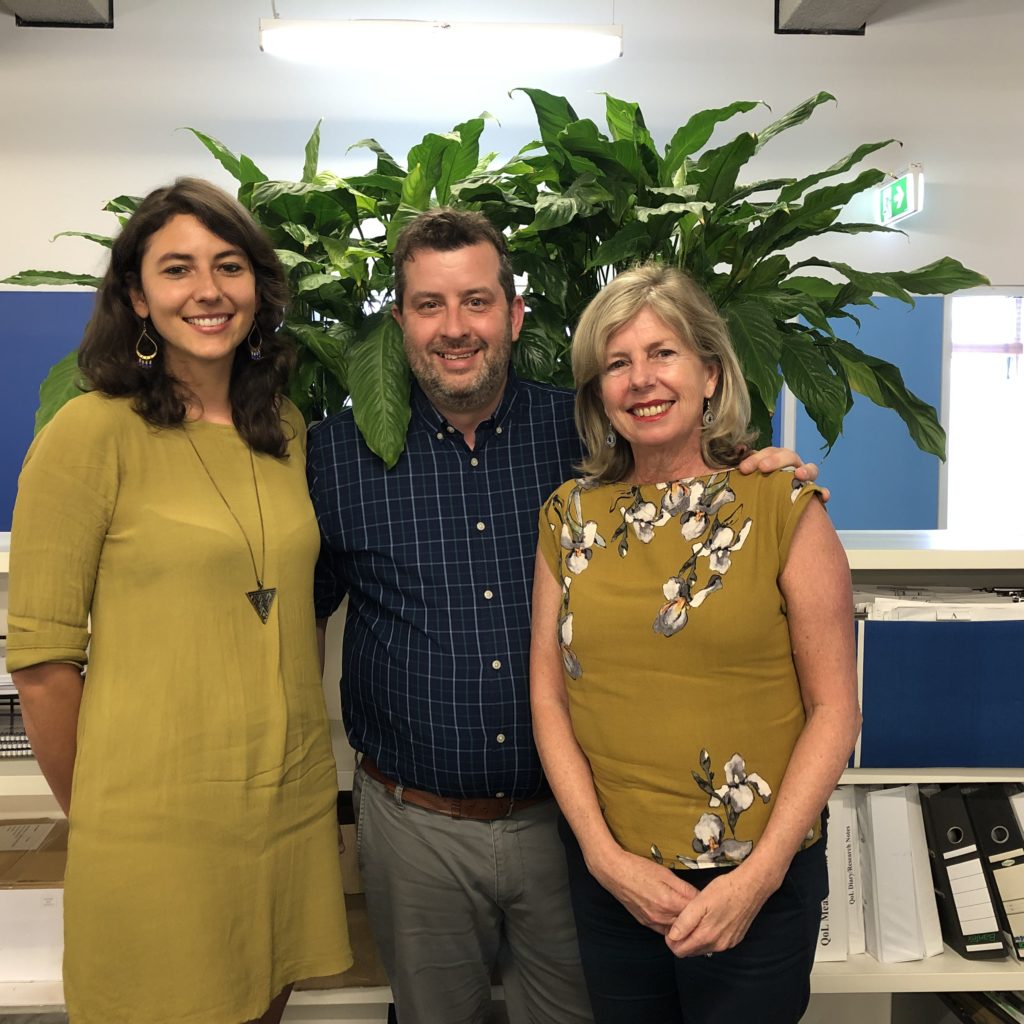
Adam Smith talks with Luisa Krein and Cathy Taylor Rubin in Sydney about language and communication in dementia, including PPA and support for carers.

UK organisations holding grants from Horizon 2020, the European Union’s flagship programme for research and innovation, need to submit information about them into a UKRI portal designed to capture basic details about the grants.

Be part of the team exploring the development of an exciting, novel concept. Read on to find out how Early Career Researchers can get involved in workshops with patients and public or help contribute to the debate.
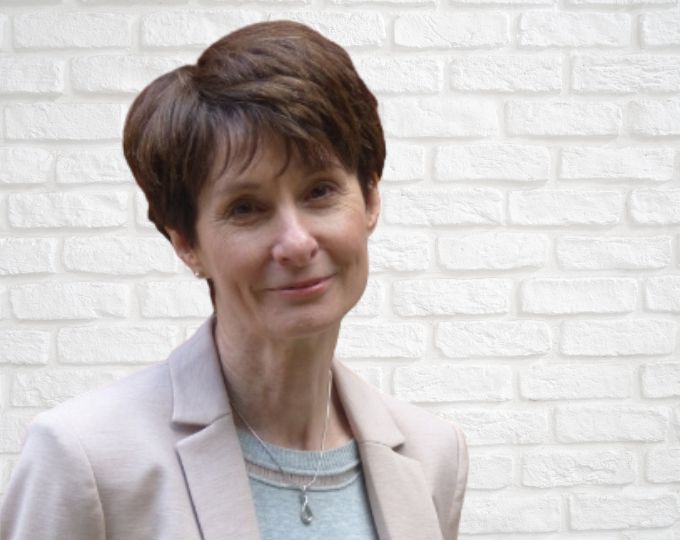
Professor of Acquired Language Disorders, working on language disorders in post-stroke aphasia and dementia; and the role of language in non-verbal cognition.

Emerging from the Bogeyhole each week, to work as a Researcher and Speech Pathologist at Macquarie University, Sydney looking at Primary Progressive Aphasia

Want to make a difference and support a young person from disadvantaged backgrounds gain an insight into research?
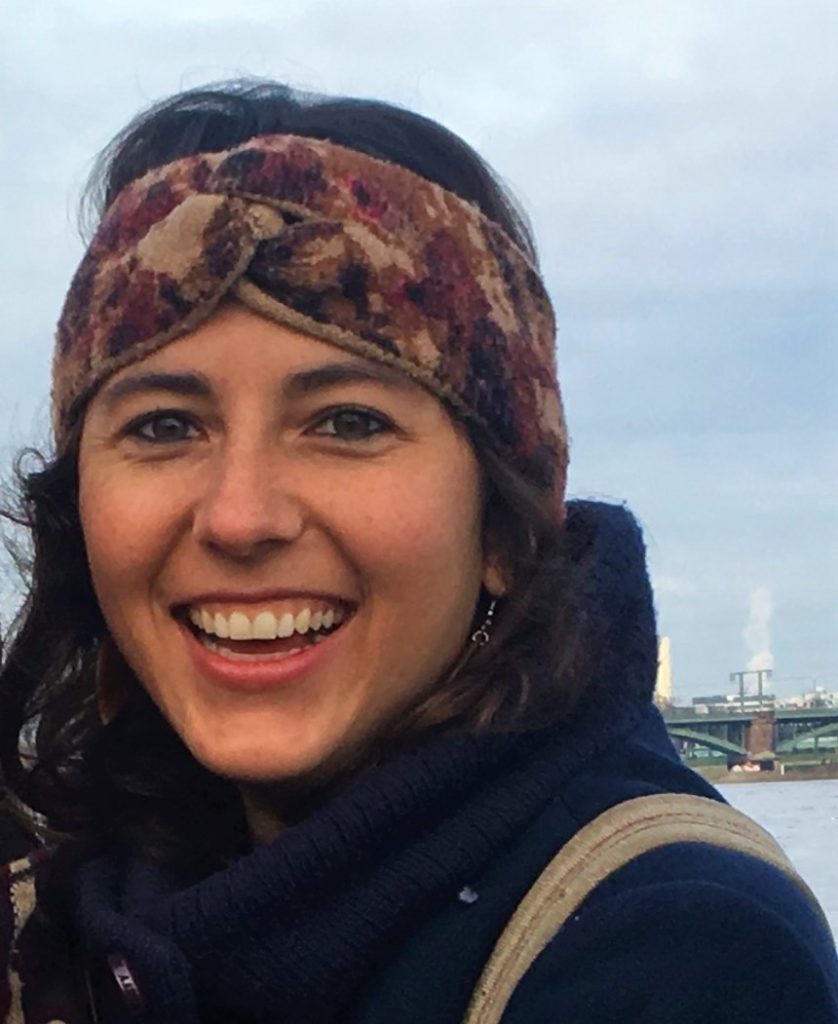
Working as a Speech and Language Therapist and Studying for PhD at the University of Sydney. Horseback yoga proved to be too dangerous!

The amount and quality of what you achieve are crucially dependent on how effectively you manage your time. Andrew C. Johnson and John Sumpter propose some simple steps that scientists can take to improve their time management in this blog for Nature Careers.
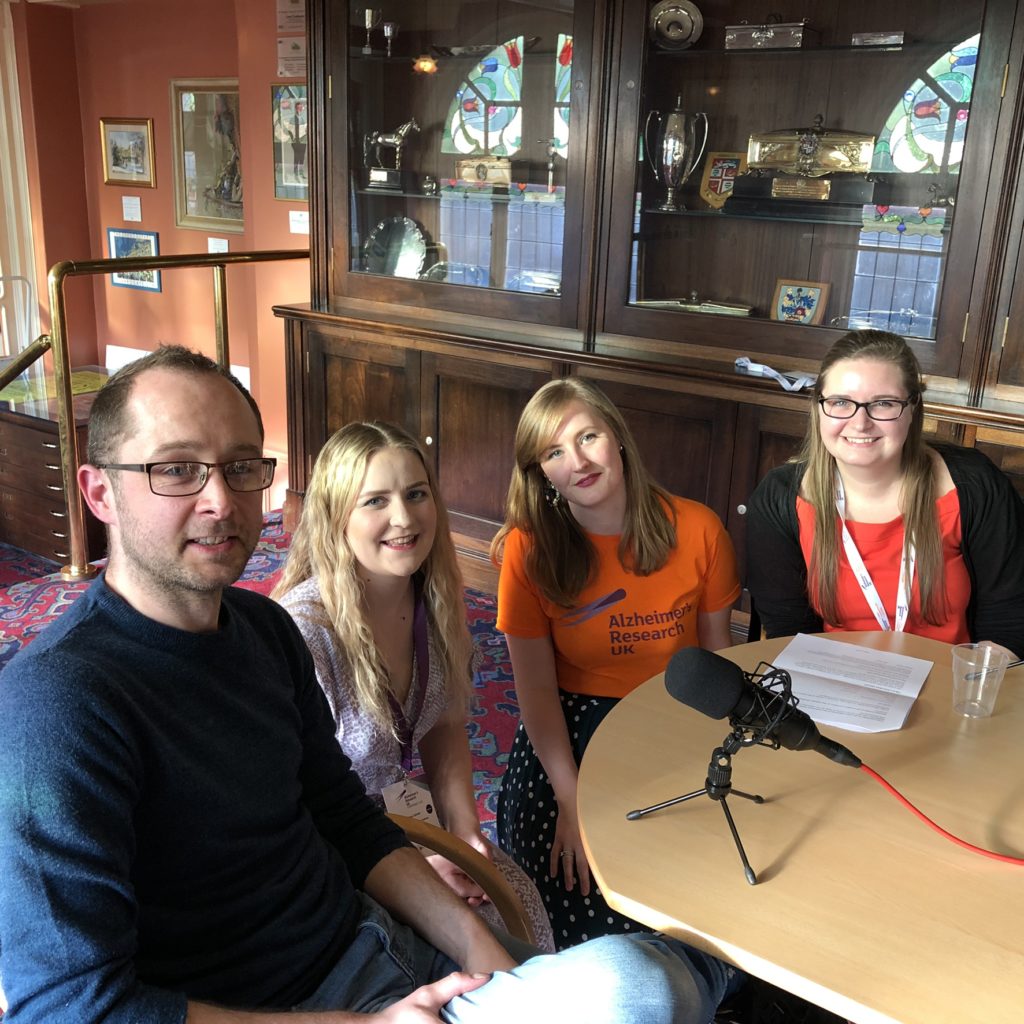
Katy Stubbs and guests share highlights from Alzheimer’s Research UK Conference in Harrogate, bringing key themes and fresh ideas from across the meeting.
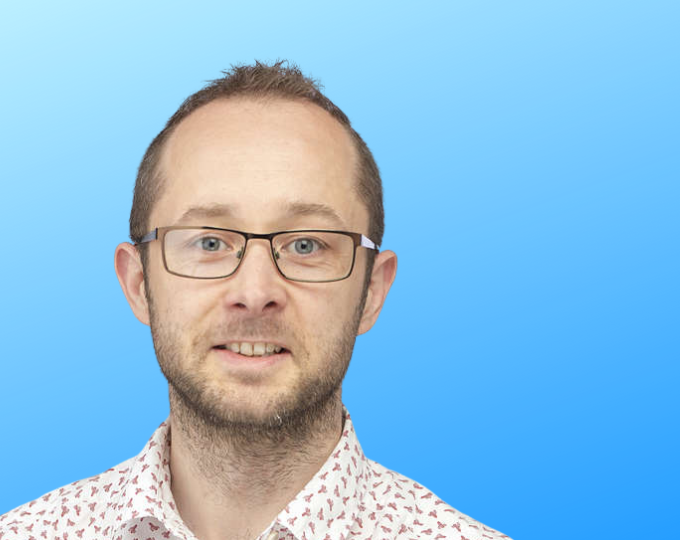
Principal Investigator researching synaptic pathology in health and disease. with many collaborations in psychology, neuropathology, neuroimaging, and genetics
Post-doctoral Research Associate at University College London and The Francis Crick Institute researching Neuropathology and Neuroinflammation and teaching MSc and PhD Students (also known as Brown Owl)
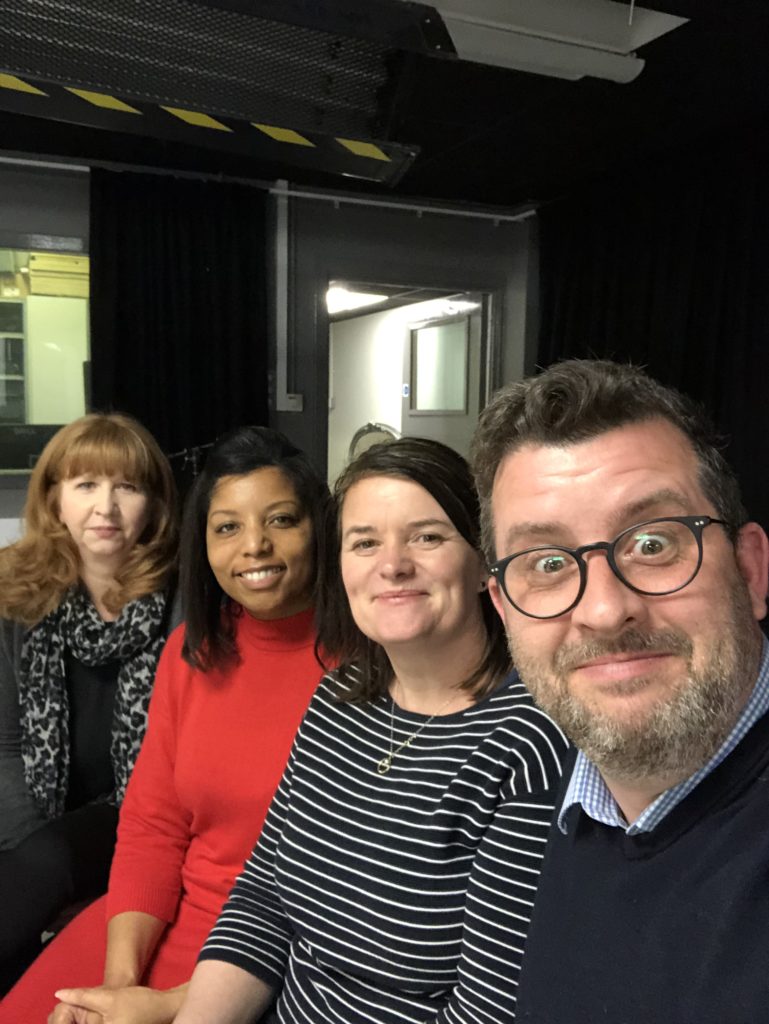
Adam Smith talks with Clare Shaw, Victoria Shepherd and Anne Marie Greenaway about how Join Dementia Research helps studies find volunteers.