
How to handle rejection in your professional life
 Dementia Researcher
Alaina Levinemay writes about the power of persistence to get what you want in life, in this post from Science Magazine

Alaina Levinemay writes about the power of persistence to get what you want in life, in this post from Science Magazine

Why “translating” your research for a general audience can bring many benefits – and how to do so. By Christopher Tancock for Elsevier Connect

7 insights for how academics can improve the chances of their evidence being used in the fast-paced, time-poor, information environment of the UK Parliament

E-WORKLIFE was created by experts in digital distraction and work-life balance to provide you with evidence-based strategies to support remote working.

Clarissa Giebel shares details of how her covid-19 dementia research studies have been conceived, funded, approved and started recruiting in under two weeks.,
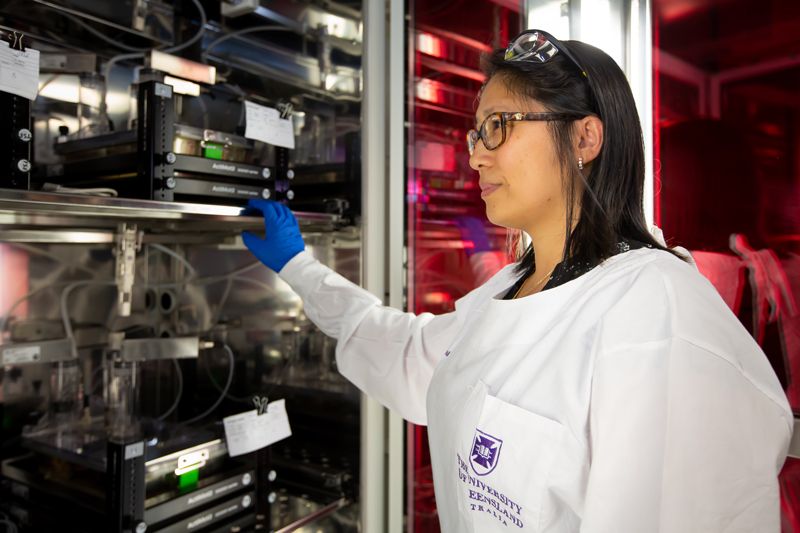
Staying at home is not an option for scientists working on potential vaccines or caring for research animals. Sso what’s that like?
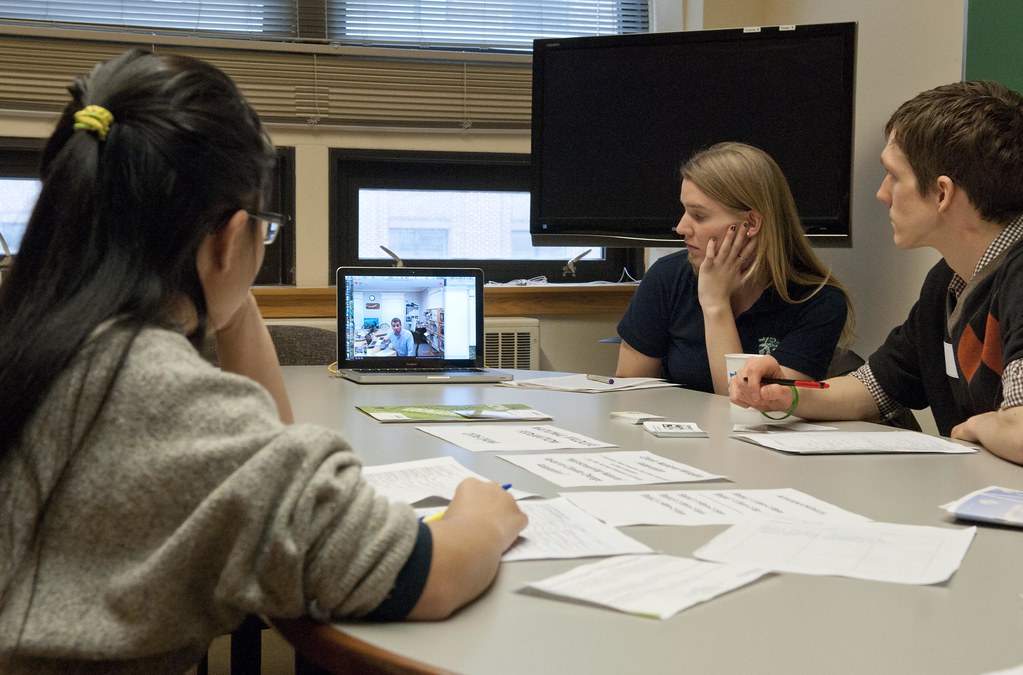
At this slightly strange time, Anna Volkmer shares (from experience) her top tips for preparing for the virtual viva, as she prepares for her own this week.

Read this article by Almara Abgarian from the Metro to find how to split your work time from your downtime (before you find yourself working day and night!)

Introducing participatory data gathering, looking at when & how in the research process it can be used, and exploring key issues to consider in research design.

How are life scientists coping with lab closures? Read tips, insights & encouragement from researchers adapting to remote work during COVID-19
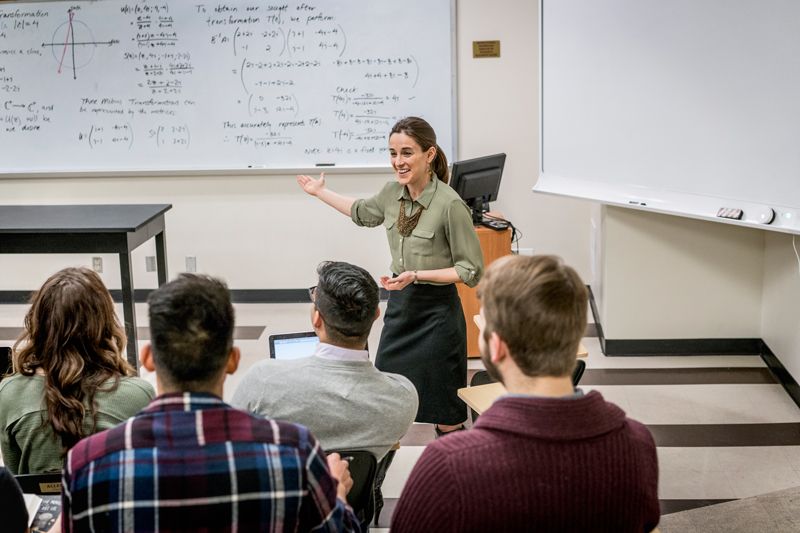
Researchers who present themselves as curious, fallible humans might be perceived as more authentic in this post shared from Nature Careers.
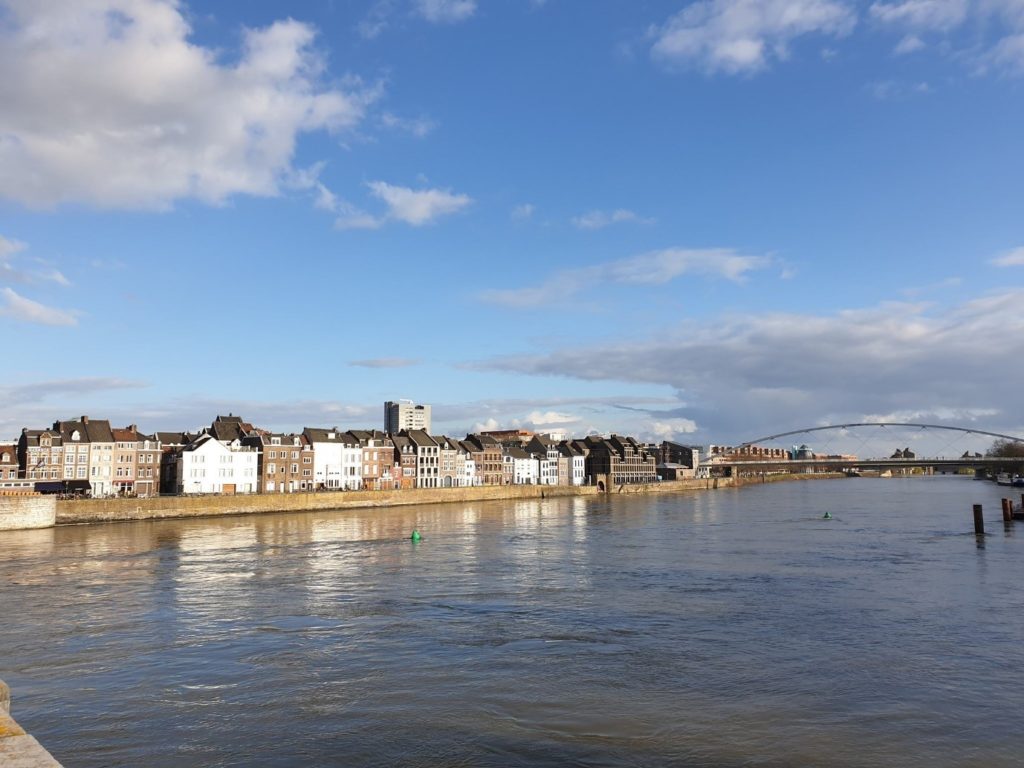
Clarissa Giebel updates on her recent trip to Maastricht for her Alzheimer’s Society funded project, and discusses differences in study recruitment.
 LSE Impact Blog
 Dr Clarissa Giebel
 Nature Careers Blog
 Dr Anna Volkmer