 Print This Post
High-quality dementia care is fundamentally rooted in an understanding of the individual beyond their presenting symptoms. Their history, routines, environment and lived experience often provide the context needed to make sense of behaviour that might otherwise seem confusing.
While working as a paramedic, I attended a call concerning an older woman found outside her home, reportedly confused. On initial interaction, she appeared articulate and engaged, recounting events coherently and without obvious cognitive impairment.
However, when I helped her back inside, environmental cues suggested a different story – there were signs that something wasn’t quite right. There were many unopened boxes of cornflakes stacked up in the kitchen, and I started to notice repeated behaviour. Thanks to the numbers by the phone, we managed to track down her daughter. She didn’t live locally and, due to family and work commitments, had not seen her mum for about a year. She had been unaware of the extent of her mother’s functional decline – when they spoke on the phone every day, she reported that she was fine.
Moments like this show how subtle dementia symptoms can be when you only see a snapshot of someone’s life.
On the frontline, we rarely have the full picture of the person we’re caring for.
A person’s history, routines, social context and lived experience often provide the necessary framework to interpret behaviours that may otherwise appear atypical or pathological. Without this contextual insight, there is a significant risk of misinterpretation resulting in inappropriate clinical decision-making and ultimately avoidable harm.
Over the years, I’ve become increasingly aware that the information clinicians need often exists, it just isn’t shared between the teams caring for that person. Better use of data can help bring those pieces together, giving clinicians a clearer picture of the whole person.
Seeing only part of the picture
As paramedics, we often have to rely on what we can find in someone’s home – hospital letters on the kitchen table, or whatever family members could tell us in the moment. In this case, when I spoke to the patient’s daughter, she had no idea about the repetitive hoarding behaviour of buying breakfast cereal. The daughter shared a story that their father always enjoyed cornflakes before work. However, her father sadly had died several years ago. This was an example of the regressive memory that we see in this cohort of patients. However, without this information from her daughter, we were relying purely on the patient’s story. Without understanding a person’s history – the expansive data from a variety of health care sources – behaviour can easily be misunderstood.
Someone living with dementia may have dozens of healthcare touchpoints over time. Paramedics, GPs, hospital teams, physiotherapists, pharmacists and memory clinics all contribute pieces of the picture.
However, when those insights are recorded separately, clinicians who encounter the patient only see part of the story.
Why data matters in dementia care
Understanding a person’s baseline is essential when caring for someone living with dementia. Their cognition, medication, support network and existing care plans all help clinicians understand what is normal for that person and what might have changed.
The challenge is that this information is often recorded in different places across the healthcare system. In urgent or crisis situations, clinicians rarely have time to track down those details or build that picture from scratch. The most important aspect is understanding the legal and ethical frameworks in place, such as the assessment of mental capacity (Mental Capacity Act 2005). This was vital in this case because, as clinicians, we must act in the patient’s best interest if there is no other framework, such as an LPA, in place.
When data from different services is consolidated into a shared care record, clinicians can quickly access information that already exists about the patient. Instead of relying on fragments of information or repeating the same questions and assessments, they can build on what is already known from a clear baseline and see a clearer picture of the person they are caring for, rather than how they appear in the moment, ultimately providing patient-centred care.
That shared understanding creates a trusted source of truth that helps clinicians make safer decisions about care while saving valuable time for both healthcare professionals and the families supporting the patient, again in line with their wishes and the MCA 2005.
Without it, clinicians may take cautious decisions that lead to unnecessary hospital admission or reactive care when another approach might have been possible.
Bringing it all together
I have been working with the team at Graphnet on its digital Comprehensive Geriatric Assessment (CGA). This multidisciplinary approach is designed to capture the various factors that influence an older person’s health and well-being, encompassing not only their medical conditions but also cognitive health, functional ability, mental well-being, and social circumstances.
What makes digital CGA particularly valuable is that it allows different professionals involved in someone’s care to contribute to the same record. This approach facilitates the development of a continuous, evolving shared care and understanding of the patient.
Geriatricians, Paramedics, hospital teams, physiotherapists, pharmacists, GPs and memory clinics can all add their perspective over time.
Instead of each service holding a separate piece of the story, those insights begin to form a shared picture of the person and their needs. This is the benefit of using a solution that is pan-ICB.
When clinicians encounter that patient, they are not starting from scratch. They can see what has already been assessed and build on it, allowing that understanding to follow the patient throughout their care journey which is what the Graphnet Shared Care Record is designed for.
Why this matters for people living with dementia
For people living with dementia, in the moment decisions can have a huge impact on their wellbeing, while long-term care planning is made harder without all the data to hand.
Hospital is not always the best environment for someone with dementia. Unfamiliar surroundings can increase confusion and the risk of delirium, which can be distressing for both patients and their families – this can set their base back several weeks. There is also a greater risk of delirium and falls as individuals are unaware of the environment, especially when going to the bathroom during the night.
Long hospital stays can also affect physical health. Older people often lose muscle strength while in hospital, increasing the risk of falls and making recovery more difficult. Up to 5% loss of muscle mass can occur in the first few days, by the end of the first week this can be as much as 10% coupled with approximately 40% reduction in strength [1].
When clinicians have access to better information about a person’s baseline and support network, they are better able to decide whether hospital admission is truly necessary or whether care can be provided safely within the community.
Conclusion
After more than twenty years working as a paramedic, I’ve seen first-hand how difficult it can be to care for someone when you only have fragments of their story. When clinicians are limited to fragmented or episodic data, there is an inherent risk of misjudgement.
Human-centred dementia care means understanding the whole person: their health, their history, their environment and their wishes. Data and shared assessments help bring those fragments together, giving clinicians the context they need to make better decisions.
Better information will never replace compassion or clinical judgement. But it can help ensure that people living with dementia are supported in ways that reflect who they are, not just the condition they live with.

Brandon Newman
Author
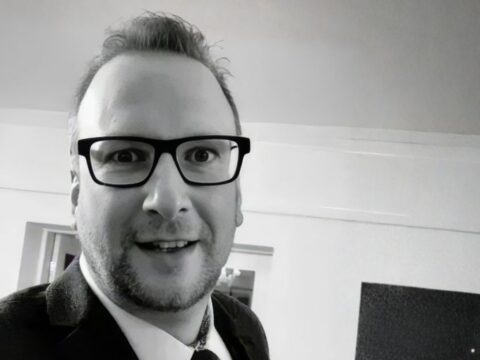
Brandon Newman is a Paramedic and Clinical Workflow Lead at Graphnet Health. After 16 years as a paramedic, he continues to work on the frontline while helping improve clinical workflows, with a particular interest in paramedic practice and care for older people.
https://www.graphnethealth.com/