 Print This Post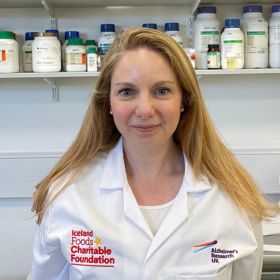
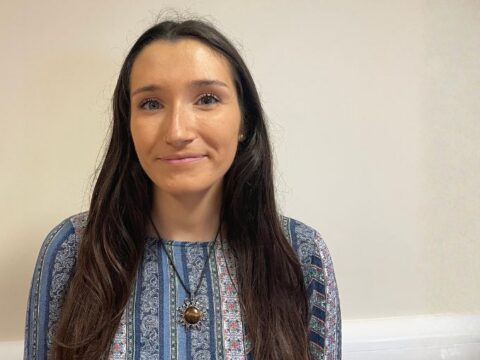
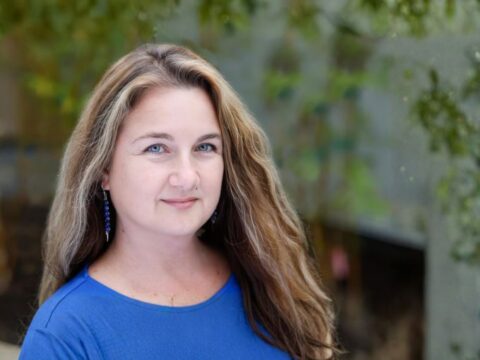
Dr Lauren Walker
Name:
Dr Lauren Walker
Job Title:
Lecturer in Biomedical Science
Place of work / study:
Teeside University
Area of Research:
Neuropathology of Lewy body dementia and Alzheimer’s disease.
How is your research funded:
Teeside University
Tell us a little about yourself:
After completing my undergraduate degree in Physiological Sciences and an MRes in Medical and Molecular Biosciences I took time away from studying and gained experience in technical roles, 7 years in total. The first role on a project investigating neurogenesis in the age brain, then moving to the Newcastle Brain Tissue Resource. It was here after reading the exciting proposals and requests for brain tissue to be used in experiments and working with the brain tissue myself that I realised dementia research was something I wanted to pursue further. A PhD followed, then a post-doc and I finished as a Research Fellow in 2026 but remain associated with Newcastle as an Associate Lecturer. In am not at Teeside University working as a Lecturer in Biomedical Science. In this role I am the Module lead for Pathobiology of Neurological Disease, Diagnostic and Experimental Pathology and a lecturer in Cancer Diagnostics and Therapeutics, I also provide supervision and training of undergraduate and masters students in the laboratory
Tell us a fun fact about yourself:
I am an avid and long suffering Sunderland AFC fan, although I feel the tide is turning for us! Also I am still trying to think of ways to convince the BBC to let me compete on Strictly Come Dancing after giving up dancing at 18 after 10 years!
Why did you choose to work in dementia:
I have always had an interest in neuroscience and have tried to be involved in projects relating to this. However after working in the Newcastle Brain Tissue Resource I realised there is so much we don’t know about the neurodegenerative diseases that cause dementia and being able to work with donated brain tissue from individuals that has dementia during life and those without neurodegenerative disease is an absolute privilege.
What single piece of advice would you give to an early career researcher?
Try and surround yourself with good people who will help celebrate your successes and listen to you vent your frustrations and support you in the inevitable times of paper/grant rejections. A chat with peers, supervisors and mentors over coffee can help you put things into perspective, refine future ideas and help work though experimental challenges. Team work makes the dream work.
What book are you reading right now? Would you recommend it?
The Count of Monte Cristo for the 3rd time I think (the front cover has fallen off and is currently stuck back on with sellotape).

 Dr Sam Moxon
 Dr Ajantha Abey