Being the Network Manager for the Neuroprogressive and Dementia Network (NDN) means much of my day-to-day role focuses on supporting teams, research delivery, building partnerships, and helping to create opportunities for people to take part in neurodegenerative disease research across Scotland. While this work is incredibly rewarding, it can sometimes feel like a step away from my years of nursing in the wards and community.
I recently had the privilege of visiting an Alzheimer Scotland memory café in a rural northern town in Scotland. I was there with my fellow NDN colleagues to talk about our NHS research and the opportunities for people in remote and rural locations to be part of research.
Before telling you all about my visit, it is worth explaining the important role that Alzheimer Scotland plays in supporting people affected by dementia across the country. As Scotland’s national dementia charity, Alzheimer Scotland provides information, advice and practical support to people living with dementia, as well as their families, carers and friends. The organisation works to ensure that people affected by dementia can access the help they need, while also campaigning to protect their rights, promoting brain health, and supporting vital dementia research. At the heart of everything they do is a commitment to ensuring that nobody faces dementia alone.
What a memory café actually offers
One of the many ways Alzheimer Scotland provides support is through its network of memory cafés. These welcoming and informal gatherings offer people living with dementia, along with their families, carers and friends, an opportunity to come together in a relaxed and supportive environment. Over a cup of tea and a friendly conversation, people can share experiences, build friendships, participate in activities, access information and advice, and connect with knowledgeable staff who understand the challenges dementia can bring. For many people, memory cafés are much more than a social event. They provide a sense of belonging and community, helping individuals and families realise they are not alone in their experiences.
Whilst I was keen to share our research opportunities with everyone in attendance, which was a mix of people with lived experience, their carers and health professionals, when I walked into the memory café it very quickly brought me back to my roots as a nurse (which I thoroughly enjoyed and still do!). Being in the room, watching and listening to conversations, sharing stories, and witnessing the warmth and connection between attendees reminded me of the impact that Alzheimer’s disease has, not only on the individual but on everyone around them.
What the room told me
As I sat listening to and joining in with the conversations, it became clear that one of the most important things for the group was their sense of community.
The memory café provides a safe welcoming space where people can meet others facing similar challenges, share experiences, and feel understood. The atmosphere in this and many other Alzheimer Scotland memory cafés is full of kindness, laughter, mutual support and on this occasion lovely shortbread to go along with our cuppa.
Our conversations sparked enthusiasm for research, keen to know more; how to take part and what barriers they may face living in a rural area, but that didn’t deter anyone I met and chatted to, they wanted to be part of something and wanted to feel like they were doing something to help not just for them but for the future. I was grateful for their time and interest and for bringing me back to my roots and reason for doing what I do.
I met family members who spoke openly and shared stories about the challenges of caregiving, but also about the importance of maintaining quality of life and finding moments of joy together. Their resilience was inspiring. I was reminded that while Alzheimer’s disease gradually changes many aspects of life, it does not diminish the value, dignity, or individuality of the person living with it.
The visit also reinforced the importance of involving people with lived experience in everything we do. At the NDN, we are committed to ensuring that people affected by neurodegenerative conditions help shape the research that matters most to them. Listening to conversations at the memory café reminded me that research is not simply about generating evidence; it is about creating better futures for individuals, families, and communities.
Why this matters for research
Upon leaving for the drive home, I felt both humbled and energised. Humbled by the strength and generosity of the people I met and energised by the reminder of why our work is so important.
Spending time with those directly affected by Alzheimer’s disease reconnected me with the values that first led me into nursing and research: compassion, person-centred care, and the belief that every individual deserves to be heard and supported.
As healthcare professionals we often talk about dementia in terms of symptoms, treatments, services, and of course, research studies, but spending time with the lovely people in the memory café reminded me that behind every diagnosis is a person with a lifetime of memories, relationships, achievements and behind every person is a family adapting to changes they never expected or wanted to face.
I would like to thank everyone at the Alzheimer Scotland memory café for such a warm welcome. The visit was a valuable reminder that, whether we work in care, research, or support services, people and families must always remain at the centre of everything we do.
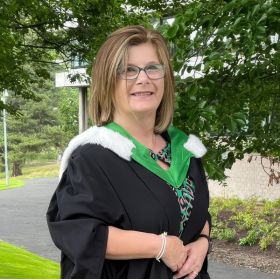
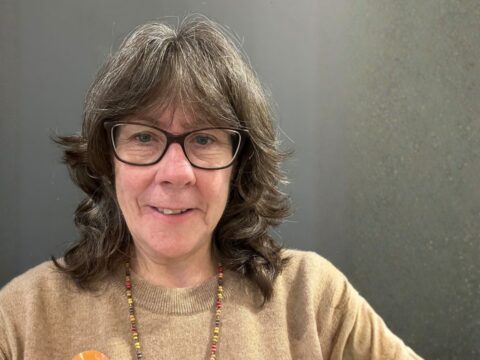
Jacqueline Kerr
Author
Jacqueline Kerr is the Network Manager for the Neuroprogressive and Dementia Network in Scotland. With a background in research management and public engagement, she is dedicated to supporting clinical trials and improving access to research across the country. Jacqueline works closely with clinicians, researchers, and the public to raise awareness of dementia studies and encourage participation.
 Dr Yvonne Couch
 Alzheimer's Association
 Beccy Owen
 Bernie McInally
 Dr Chloe Fawns-Ritchie