Why I say yes to career opportunities that scare me
 Dementia Researcher
This piece from Science.org examines how initial fears gave way to confidence and fulfillment in academia by embracing opportunities outside your comfort zone.

This piece from Science.org examines how initial fears gave way to confidence and fulfillment in academia by embracing opportunities outside your comfort zone.
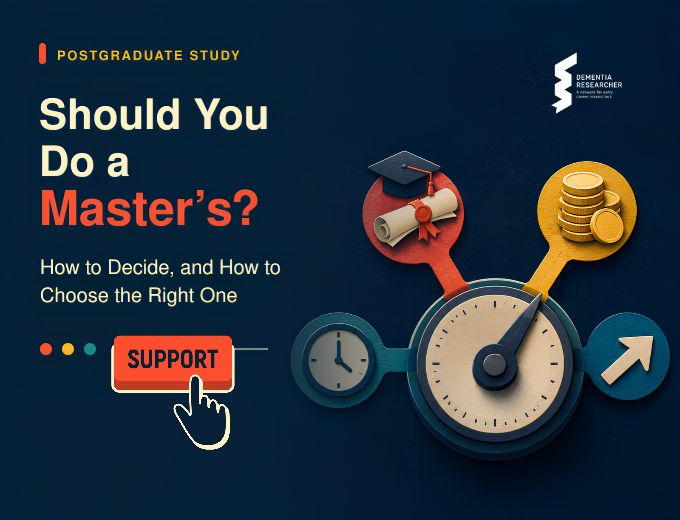
Thinking about a masters in dementia? What it costs, how to fund it, whether you need one at all, and how to pick the right course for what you actually want.
Learn how early-career researchers can strengthen their track record, boost their research proposal and assess institutional fit for a first research fellowship
The NIHR research workforce update for England sets out plans for careers, protected time, inclusion and research across health, public health and social care.
Informal meetings can help you to explore new career opportunities, but there is a knack to getting them right. Shared from Nature Careers

Moving university with active funding? Learn how UK research grant transfers work, including UKRI, NIHR, staff, students, data and equipment.

Struggling to make your literature review analytical? Dr Elizabeth Yardley shares a simple three-step structure to help you write with clarity and focus.
A researcher feels left out of their team & held to different standards from their colleagues. How can they challenge exclusion without risking their position?
Technology has led to unprecedented innovation, but common household items can help make research more reproducible — and accessible. From Nature Careers
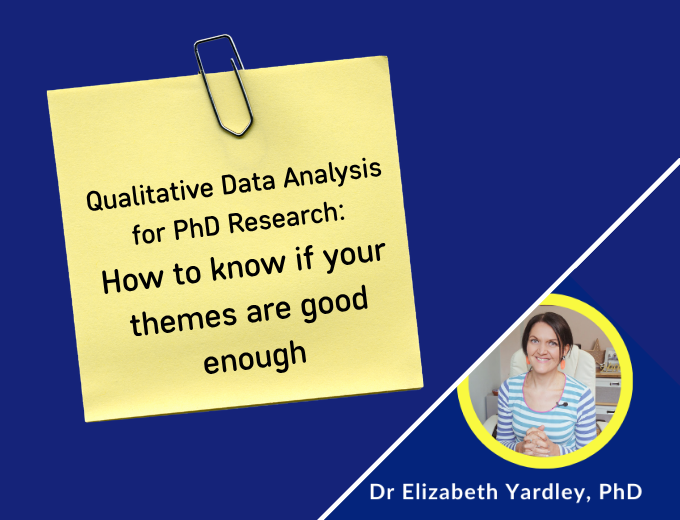
Elizabeth Yardley explains how PhD researchers can judge qualitative analysis with clearer criteria, stronger themes, and less self doubt.
Science sleuth Lonni Besançon realizes that he has sometimes misunderstood what the media want from him and his researcher colleagues.
Burnout is a systemic problem, but individuals can take steps to cope with it and pave a path forward. Shared from Nature Careers
 Nature Careers Blog
 NIHR