
In the field & in the lab – sometimes the simplest tool is best
 Nature Careers Blog
Technology has led to unprecedented innovation, but common household items can help make research more reproducible — and accessible. From Nature Careers

Technology has led to unprecedented innovation, but common household items can help make research more reproducible — and accessible. From Nature Careers
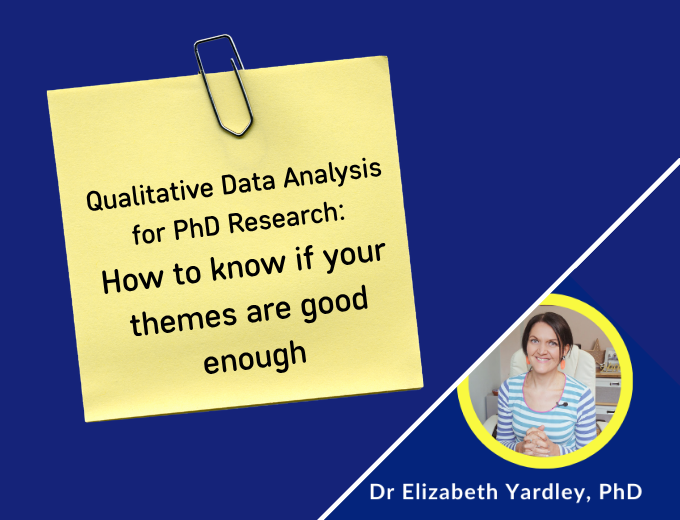
Elizabeth Yardley explains how PhD researchers can judge qualitative analysis with clearer criteria, stronger themes, and less self doubt.
Science sleuth Lonni Besançon realizes that he has sometimes misunderstood what the media want from him and his researcher colleagues.
Burnout is a systemic problem, but individuals can take steps to cope with it and pave a path forward. Shared from Nature Careers

Nature Careers – How a research proposal generated by artificial intelligence transformed my approach to teaching and supervision.
Can you squeeze your graduate programme into a 40-hour working week? These 13 current and former PhD candidates reveal their top time-management tips.
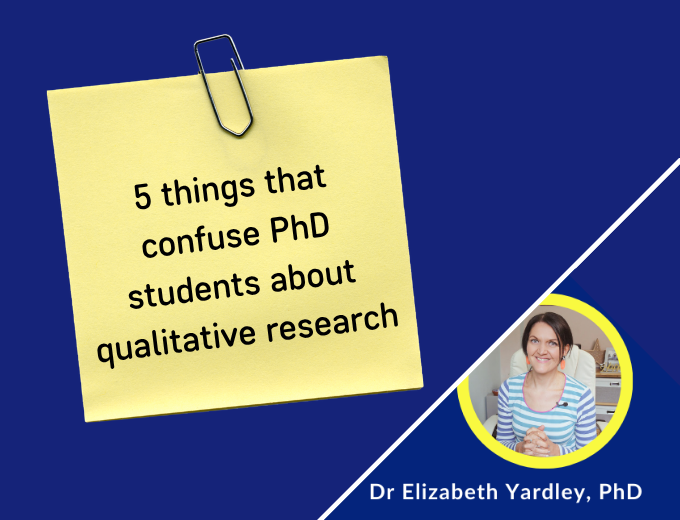
Dr Elizabeth Yardley explains why qualitative PhD research feels hard, unpacking common struggles around rigour, analysis, interviews and making sense of data.
Why do scientists avoid the work that matters most A Nature Careers podcast explores procrastination fear identity and life choices in research
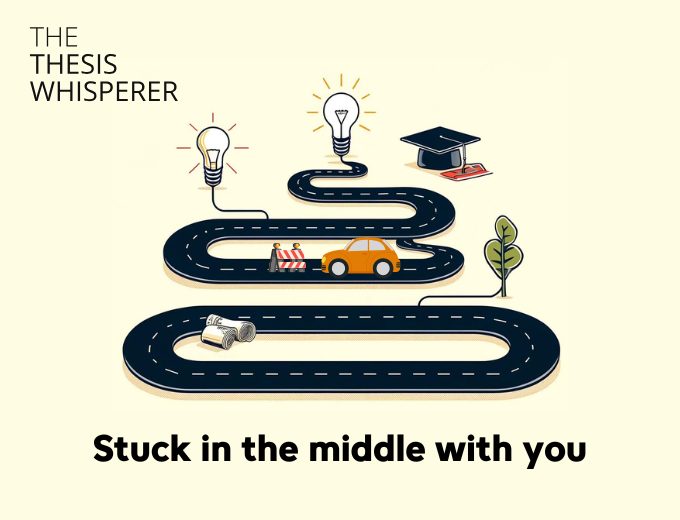
Inger reflects on the muddle of the middle in research and explores boredom, AI debates, and finding focus during long stretches of academic work.

A guide to preparing and submitting abstracts for AAIC covering structure themes review steps and tips to help you present your research at the conference.
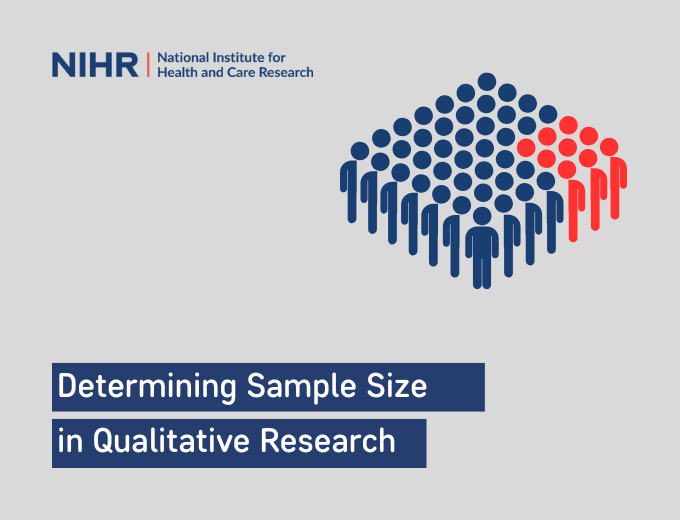
NIHR RSS seminar recording with Julius Sim on sample size, saturation, and challenges in qualitative research chaired by Norha Vera San Juan.
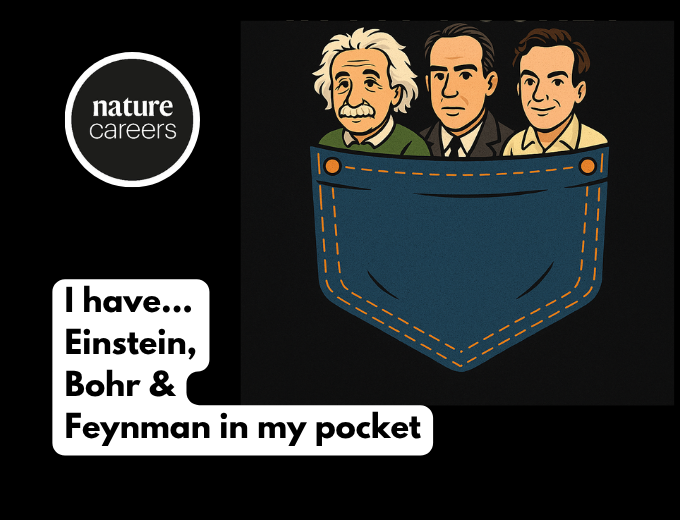
Nature Careers – Grappling with difficulties in your career? Try asking an AI-powered advisory panel of experts, suggests Carsten Lund Pedersen.
 Dementia Researcher
 Thesis Whisperer
 Alzheimer's Association
 NIHR
NIHR