 Print This Post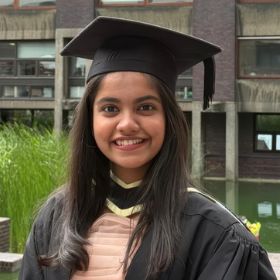
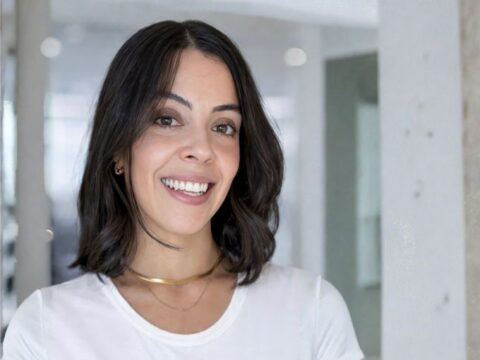
Ananta Jain
Name:
Ananta Jain
Job title:
Masters student in Neuroscience
Place of work / study:
Queen Mary University of London
Area of Research:
I recently completed my masters and have a particular interest in neurodegenerative diseases, pain and investigating sex differences
Tell us a little about yourself:
Hello! I’m a MSc Neuroscience graduate with a curiosity about how the brain and body shape our experiences of health and disease. My research interests span neurodegenerative diseases, sex differences in disease and treatment, and women’s health, with a particular interest in how a better understanding of these areas can contribute to more personalised and effective medicine. Beyond the lab, I care about making science more accessible and inclusive through scientific communication and other initiatives.
Tell us a fun fact about yourself:
Certified scuba diver who is now scared of diving!
Why did you choose to work in dementia?
I chose to work in dementia research because it is an increasingly important challenge for our ageing population, yet there is still so much we do not understand about its causes, progression, and the people it affects. Dementia is not a single disease, but an umbrella term for several conditions, each with its own complexities. I find that uncertainty a compelling reason to contribute to research that could deepen our understanding and, ultimately, lead to better treatments.
What makes this work especially meaningful to me is the profound impact dementia can have on a person’s identity. Our memories, experiences and sense of self are such an essential part of what makes each of us unique and connects us to the people around us. The possibility of losing these aspects of ourselves is deeply human, and I believe that any research that can help preserve a person’s independence, identity and quality of life is incredibly valuable. I would find it rewarding to contribute to work that not only advances scientific understanding but also makes a tangible difference to individuals and families affected by dementia.
What single piece of advice would you give to an early-career researcher?
My biggest piece of advice would be to never be afraid to ask for help or ask questions. As an early career researcher myself, I’ve learned that research can be challenging, and you’re not expected to have all the answers. There are people around you who have spent years developing expertise in their fields and, importantly, who genuinely want to see you succeed. Make the most of that. Ask not only about the science itself, but also about how to think critically, navigate setbacks and find your way through the uncertainties of research.
Just as importantly, take the time to build a support network of mentors, colleagues and peers. Learn from their experiences, but also figure out what works best for you. Research is a long journey, and finding a way to pursue it that supports both your growth and your well-being is just as important as the work itself.
What book are you reading right now? Would you recommend it?
Taiwan Travelogue by Yang Shuāng-zi, highly recommended for your inner traveller and explorer on what it truly means to immerse yourself in a place and culture and what it tells you about yourself!
Favourite film of all time?
Clueless – anytime, anywhere, any occasion 🙂
What’s the best decision you ever made?
Taking a chance on myself and learning more about my interests, its what brought me to neuroscience, by loving everything there is to know about the brain
What’s your favourite vacation spot?
Anywhere in Thailand

 Adam Smith