 Print This Post

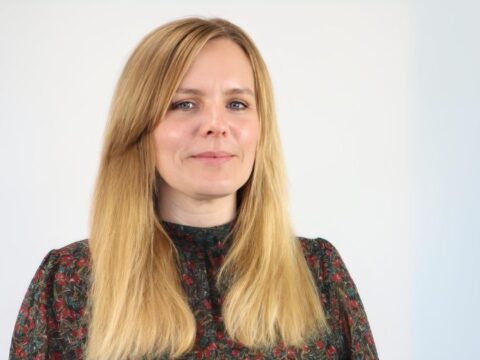
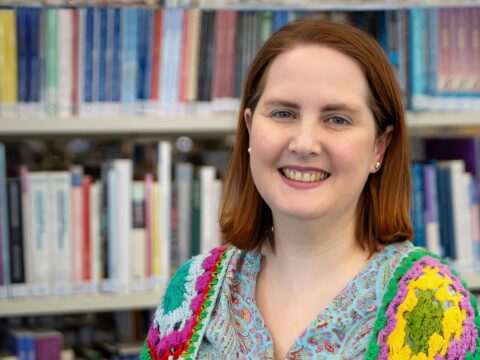
Gemma Willingham Storr
Gemma Willingham-Storr combines dementia programme leadership with a part-time PhD exploring creative research methods with people who have a learning disability and dementia. Her route began in full-time work after leaving school, followed by learning disability nursing, specialist clinical roles and postgraduate study. She describes how listening to patients and families shaped her decision to bring practice, service improvement and research together.
“I wish someone had told me much earlier that research isn’t just for people from affluent backgrounds or academic families.”
My route into research
I left school at 16 and went straight into full-time work. I did not come from an academic background, so research never felt like an obvious path. My first experience came at 18, working as a telephone market research interviewer. I was unexpectedly fascinated by how people think, communicate and respond. Those early jobs helped me develop communication skills and confidence before I entered healthcare.
In 2008, I became a healthcare assistant at Humber Teaching NHS Foundation Trust, working in mental health and learning disability inpatient care. The Trust seconded me to study learning disability nursing at the University of Hull from 2009 to 2012. I graduated with a first-class BSc (Hons). I loved understanding the reasons behind our practice and seeing how evidence could improve care. My dissertation was later published in an international learning disability nursing journal, and an invitation from the editors led to a published book review in 2014.
Building clinical experience
From 2012 to 2018, I worked as a staff nurse and deputy charge nurse in adult mental health rehabilitation and medium secure services. I coordinated care for people with complex needs, including dementia, and developed skills in safeguarding, risk assessment and leadership. I then worked in mental health liaison, carrying out urgent assessments in acute hospitals and supporting crisis pathways and safe discharge. From 2019 to 2021, I was a forensic case manager and dialectical behaviour therapy therapist, working with people with learning disabilities, autism and complex mental health needs, including people leaving long-term hospital placements.
Bringing practice and research together
Becoming Dementia Programme Lead across Humber and North Yorkshire in 2021 changed my perspective. I could see the wider system: the pathways, inequalities, variation in care and the people whose voices we were not hearing. I had spent years working clinically, but this role gave me a different opportunity to connect individual experiences with service improvement.
I began an MSc in Dementia Studies at the University of Stirling in 2021 and completed it with distinction in December 2024. The academic learning immediately strengthened my work, while the experiences of people with dementia and their families shaped my studies. Co-producing a five-year dementia strategy brought me into contact with many people living with dementia and their care partners. They were generous with their time and experiences, but it was clear that some voices were still missing, particularly people with learning disabilities, communication differences or more complex needs.
I had not planned to begin doctoral study at that point. When I heard about a University of Hull PhD scholarship through the EMPOWER Dementia Network+, the opportunity fitted the questions emerging from my work. Securing it opened up networks, collaborations and academic opportunities I had not previously imagined. I started my part-time PhD in Health Studies in January 2024. My MSc and PhD studies overlapped during 2024. My PhD is funded by a University of Hull Scholarship, with completion expected in July 2030.
Making research more accessible
My PhD is titled “Beyond the Interview: Perspectives on Creative Research from People with Learning Disabilities and Dementia, and Researchers”. My research explores creative methods with people who have a learning disability and dementia. I want to understand what these methods are, how they have been described, justified and evaluated, and how people themselves feel about taking part. Interviews, surveys and memory-based tasks may not be accessible or comfortable for everyone. I am exploring whether approaches using objects, photographs, drawing or sensory activities can make participation easier, more enjoyable and more meaningful.
I am currently collecting data for two linked studies. One works with people who have a learning disability and dementia, using flexible creative methods to explore what feels accessible and meaningful to them. The other interviews researchers about how they choose, adapt and evaluate creative methods in dementia research. I want people who are often excluded to be able to contribute their experiences and help shape future research, care and support.
My working week
My current role is Programme Lead: All Age Dementia and Older Adult Mental Health, Inpatient Quality Transformation Programme, Out of Area Placements & Interim Older Adult MH Case Manager (Humber and North Yorkshire Health and Care Partnership, Mental Health, Learning Disabilities & Autism Collaborative Programme: Humber NHS Teaching Foundation Trust). I am also a Postgraduate Researcher at the University of Hull.
I work full-time in programme management and study for my PhD for around 20 hours a week, sometimes more because I find it so interesting. A substantial part of my job involves clinically case-managing people with dementia in mental health hospitals. I spend time with patients, families and clinical teams, check the quality and safety of care and support discharge plans. I also identify themes across individual cases to inform wider service improvements. The clinical work brings real-world questions into my research, and the research helps me think about more inclusive care.
Challenges and support
Imposter syndrome has been a challenge. For a long time, I did not see myself as someone who belonged in academic spaces. I wish I had built confidence in writing, analysis and research methods earlier, because that would have made postgraduate study feel less daunting.
Organisational restructures have also brought uncertainty about my role and future progression. It is difficult to plan without a clear long-term pathway. My manager and university supervisors have been invaluable in helping me stay focused on dementia improvement and research. Encouraging colleagues and the EMPOWER network have also helped me grow. Above all, people with lived experience have shaped my understanding and reminded me why this work matters.
Skills I have developed
Communication and listening have mattered throughout my career. Working with people with different communication needs has taught me to adapt how I listen and respond. Those skills support case management, programme leadership and research. Project management and organisation have become increasingly important as I coordinate strategy work, complex cases and two linked PhD studies. I am continuing to develop those skills through experience and mentorship. Curiosity, analysis and attention to detail help me explore evidence, notice patterns and ask useful questions.
What makes the work worthwhile
Spending time with people and making sure their voices are heard is the most rewarding part. I value advocating for people with dementia and their families, and helping them feel confident to advocate for themselves. There is also a great deal of less visible work: reading, writing, rewriting, organising and balancing responsibilities. Hearing difficult stories can make it hard to switch off. The work is emotionally demanding as well as meaningful.
Looking ahead
My next steps are uncertain, but I know research will remain part of my future. I also love strategic transformation: bringing lived experience and academic evidence together to influence change across services. I could continue in strategic roles, return to more clinical work, develop further in research and academia, or combine them. I am keeping an open mind and building skills that keep those options available.
Three practical things to try
- Use LinkedIn to learn and make connections. Follow dementia, learning disability and mental health networks, explore research and health policy groups, and connect with people in roles you did not know existed.
- Join a dementia or research network. A local dementia alliance, research involvement group or open network event can help you hear different perspectives and understand how research connects with service improvement.
- Try a small research-related activity in your current role. This might be an audit, gathering service-user feedback, testing an accessible communication approach, shadowing a research nurse or attending a seminar. You do not need to start with a research job or unpaid work.
I wish I had known earlier that research could be enjoyable, creative and social, full of curiosity and human connection. Research is not only for people from affluent backgrounds or academic families.